Quote · Added 14 February 2026
Ignorance is the curse of God; knowledge is the wing wherewith we fly to heaven.
William ShakespeareHenry VI, Part 2, Act 4, Scene 7
Filed underignorance·knowledge·enlightenment
Quote · Added 14 February 2026
Filed underignorance·knowledge·enlightenment
We tend to think of ignorance as just a gap in what we know—a missing fact, an untaught skill. But this quote treats it differently, as something that limits us, that keeps us stuck. In that sense, it speaks to something most of us feel: the frustration of not understanding something we need or want to understand. When you're ignorant about how to fix a relationship, manage your money, or figure out what you actually believe, you're not just missing information. You're trapped, unable to move forward the way you want to.
What's interesting is Shakespeare puts knowledge not as the opposite of ignorance but as something almost transcendent—a wing. Not a tool, not a key, but a wing. That suggests knowledge doesn't just solve problems; it transforms you. It gives you mobility, possibility, freedom. Every time we learn something real, we're a little less confined by circumstance or old patterns. We're not condemned to repeat what we've always done.
The catch is that knowledge requires actually wanting it, being willing to feel uncomfortable while learning. It's easier to stay in familiar ignorance than to push through that awkwardness. But that's exactly where the freedom lives—on the other side of being willing to not know yet.
1564–1616·lived 52 years
William Shakespeare was an English playwright and poet, widely regarded as one of the greatest writers in the English language. Known for his iconic works such as "Romeo and Juliet," "Hamlet," and "Macbeth," Shakespeare's plays continue to be performed and studied around the world, showcasing his profound understanding of human nature and his timeless storytelling.
Also by William Shakespeare
Life is a tale told by an idiot, full of sound and fury, signifying nothing.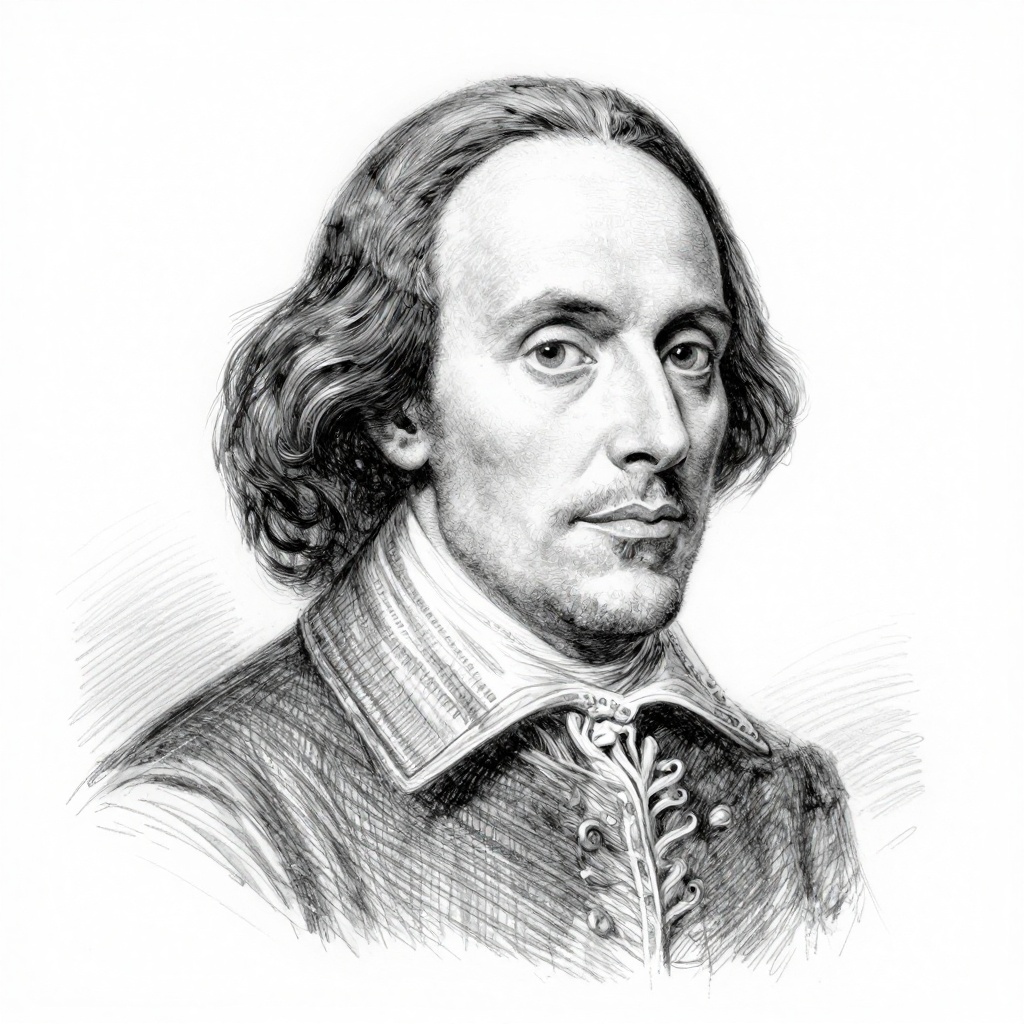
Comments