Quote · Added 14 February 2026
Doubt thou the stars are fire, Doubt that the sun doth move. Doubt truth to be a liar, But never doubt I love.
William ShakespeareHamlet, Act 2, Scene 2
Quote · Added 14 February 2026
We live in an age of healthy skepticism. Question everything, we're told. Don't believe headlines. Verify your sources. Doubt the institutions. It's sensible advice, but Shakespeare's insight cuts deeper—he's not arguing against doubt itself. He's asking: what exactly is worth doubting?
The strange part is that the things we're most confident about—the sun's motion, the stars' nature—are actually things we should be wrong about sometimes. Science changes. Our certainties shift. But emotion? Love, when it's real, doesn't work that way. It's not a theory to be tested or a fact to be verified. It's something you know differently, in a way that bypasses all the usual machinery of proof and evidence. You can doubt the evidence for almost anything, but you can't doubt the feeling itself while you're feeling it—that would be a contradiction, not wisdom.
This matters because we've somehow inherited the idea that feelings need the same proof as facts. We second-guess our loves, our loyalties, our sense of what matters. But Shakespeare suggests there's a category of certainty that doesn't require verification. Some things you know simply by trusting what's actually happening inside you.
1564–1616·lived 52 years
William Shakespeare was an English playwright and poet, widely regarded as one of the greatest writers in the English language. Known for his iconic works such as "Romeo and Juliet," "Hamlet," and "Macbeth," Shakespeare's plays continue to be performed and studied around the world, showcasing his profound understanding of human nature and his timeless storytelling.
Also by William Shakespeare
Life is a tale told by an idiot, full of sound and fury, signifying nothing.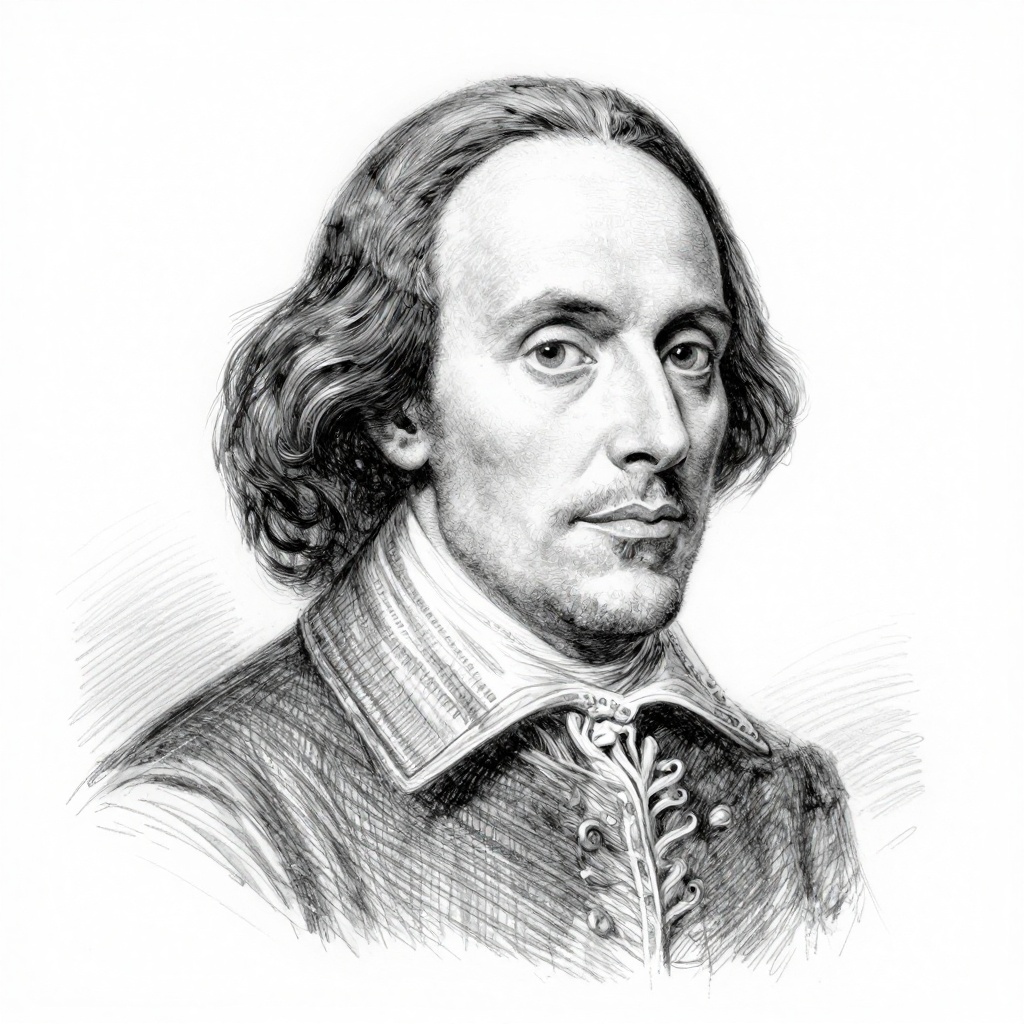
Comments