Quote · Added 14 February 2026
Cowards die many times before their deaths; the valiant never taste of death but once.
William ShakespeareJulius Caesar, Act 2, Scene 2
Quote · Added 14 February 2026
The real insight here isn't that courage makes you immortal—it's that fear is exhausting in a way that actual danger rarely is. When you're afraid to do something, you rehearse the disaster in your mind dozens of times. You imagine the failure, the embarrassment, the rejection over and over before it ever happens. Meanwhile, the person who acts—who might actually fail—only lives through it once.
Think about asking someone out, or speaking up in a meeting, or admitting you were wrong. The anxiety beforehand usually causes more suffering than the actual moment. Cowardice isn't just about avoiding risk; it's about paying the price of that avoidance twice: once in the dread, and again in the regret. The person who takes the leap pays once and moves on.
This matters because we often think courage means not being afraid. But Shakespeare is saying something different—it means you don't multiply your suffering by refusing to face it. The valiant don't have special immunity to pain. They just don't pay interest on it by postponing the encounter. They live their one life rather than endlessly previewing all the ways it could go wrong.
1564–1616·lived 52 years
William Shakespeare was an English playwright and poet, widely regarded as one of the greatest writers in the English language. Known for his iconic works such as "Romeo and Juliet," "Hamlet," and "Macbeth," Shakespeare's plays continue to be performed and studied around the world, showcasing his profound understanding of human nature and his timeless storytelling.
Also by William Shakespeare
Life is a tale told by an idiot, full of sound and fury, signifying nothing.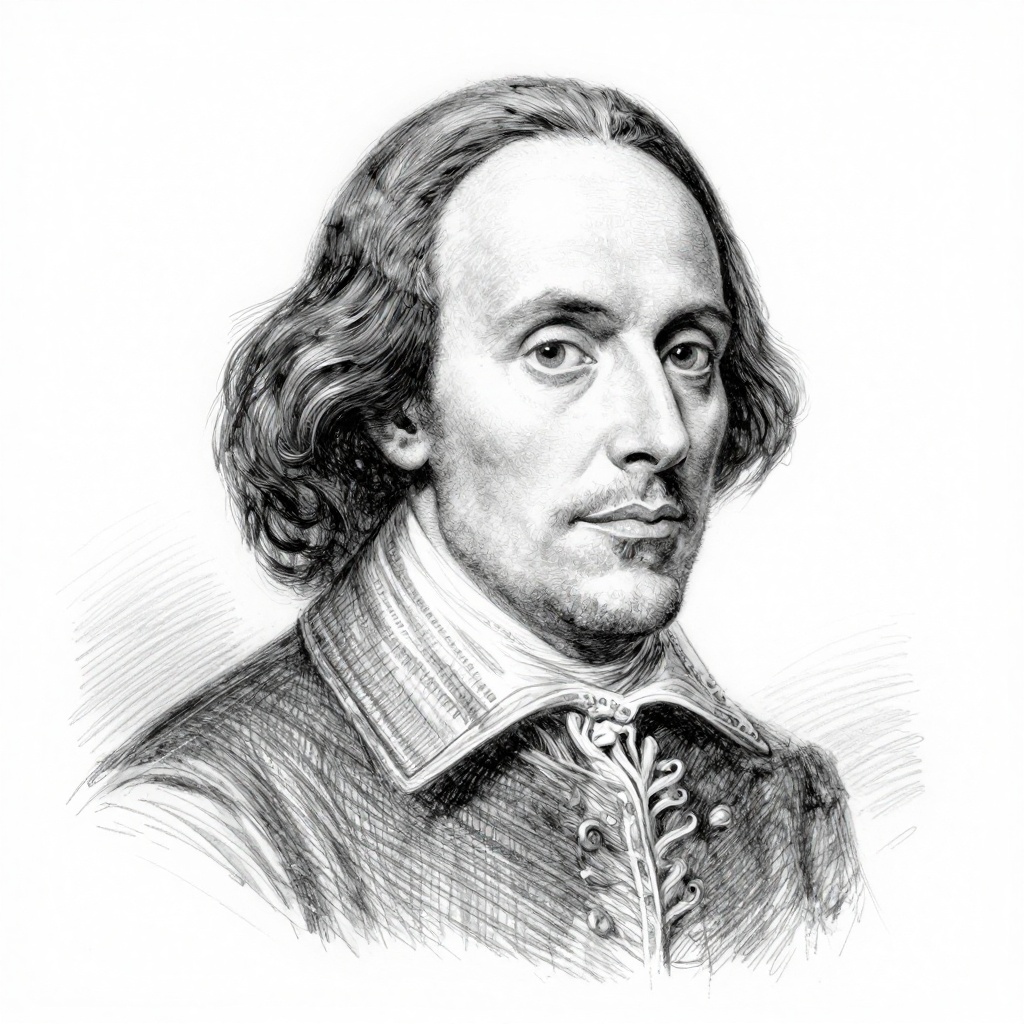
Comments