Quote · Added 8 February 2026
Cowards die many times before their actual deaths.
William ShakespeareJulius Caesar, Act 2, Scene 2
Quote · Added 8 February 2026
We often think of cowardice as a single failing moment—the time someone didn't speak up or stand their ground. But Shakespeare is pointing at something quieter and more corrosive: the way fear makes you die small, repeatedly, long before anything actually ends. Every time you swallow words you needed to say, choose the safe path over the true one, or let anxiety talk you out of trying something that matters, you're experiencing a kind of death. Not dramatic or final, but real.
This hits harder in modern life because we have so many ways to avoid living fully. You can scroll endlessly instead of having the difficult conversation with someone you love. You can stay in an unfulfilling job because leaving feels risky. You can keep yourself small in relationships to avoid rejection. Each avoidance is a tiny death—a version of yourself that never gets to exist.
The strange part is that actual courage doesn't require fearlessness. It just means dying once instead of a thousand times. It means accepting the real risk of a single moment rather than the cumulative death of permanent retreat. Most people discover they can handle far more than their fear suggested. The cost of never finding out? That's what Shakespeare is really warning about.
1564–1616·lived 52 years
William Shakespeare was an English playwright and poet, widely regarded as one of the greatest writers in the English language. Known for his iconic works such as "Romeo and Juliet," "Hamlet," and "Macbeth," Shakespeare's plays continue to be performed and studied around the world, showcasing his profound understanding of human nature and his timeless storytelling.
Also by William Shakespeare
Life is a tale told by an idiot, full of sound and fury, signifying nothing.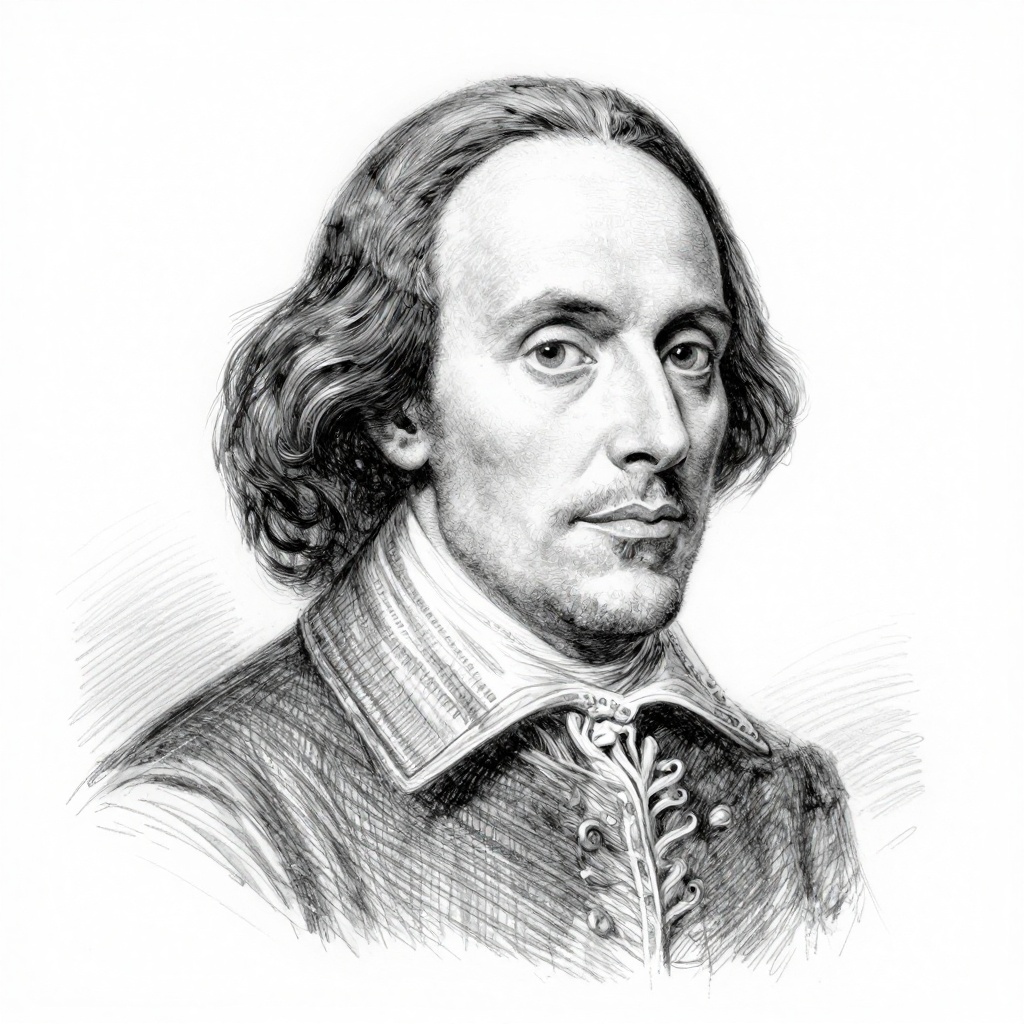
Comments