Quote · Added 14 February 2026
Come, gentlemen, I hope we shall drink down all unkindness.
William ShakespeareThe Tempest, Act 2, Scene 1
Quote · Added 14 February 2026
There's something almost magical about how Shakespeare understood that shared meals and drinks aren't just about the food or drink itself—they're about dissolving the walls we build around ourselves. When we sit across from someone we're mad at or uncomfortable with and actually break bread together, something shifts. The act itself makes it harder to maintain your grudge, your defensiveness, your need to be right.
We see this play out constantly in real life. Two colleagues who've been barely speaking suddenly find common ground over coffee. A family argument that felt insurmountable softens when everyone sits down to dinner. There's almost a physical impossibility to staying rigid and distant when you're sharing food, making eye contact, maybe even laughing. Shakespeare knew that unkindness thrives in separation and formal distance—it withers under the simple intimacy of togetherness.
The sneaky part? This isn't about forcing forgiveness or faking it. It's that coming together actually changes what's possible between people. The drink literally becomes a tool for connection, not because of anything magical in it, but because the act of sharing it says something your words alone might never convey: I'm willing to let my guard down with you. That willingness is often what was missing all along.
1564–1616·lived 52 years
William Shakespeare was an English playwright and poet, widely regarded as one of the greatest writers in the English language. Known for his iconic works such as "Romeo and Juliet," "Hamlet," and "Macbeth," Shakespeare's plays continue to be performed and studied around the world, showcasing his profound understanding of human nature and his timeless storytelling.
Also by William Shakespeare
Life is a tale told by an idiot, full of sound and fury, signifying nothing.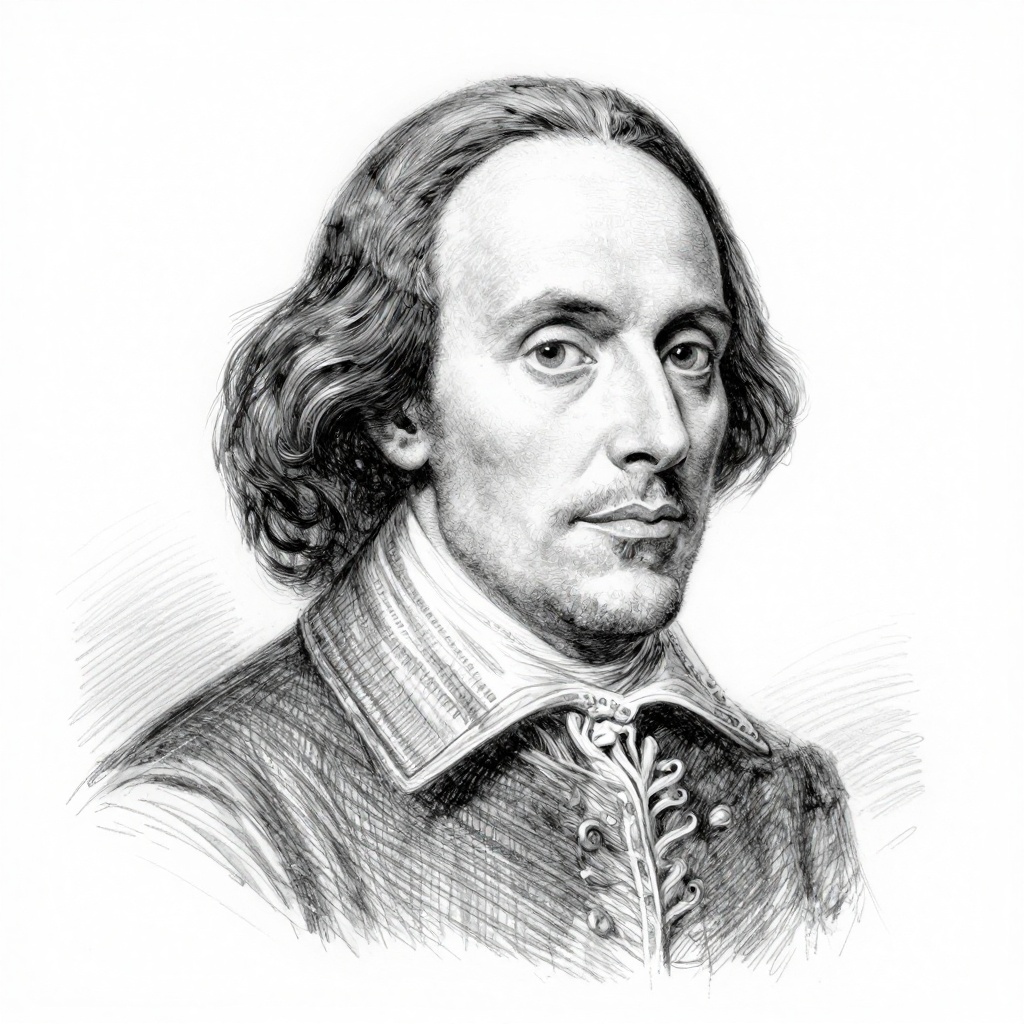
Comments