Quote · Added 14 February 2026
Better three hours too soon than a minute too late.
William ShakespeareThe Merry Wives of Windsor, Act 5, Scene 1
Filed undertime·punctuality·urgency
Quote · Added 14 February 2026
Filed undertime·punctuality·urgency
We live in a culture obsessed with perfect timing, yet most of us are chronically late. We hit snooze, we "just need five more minutes," we convince ourselves we can shave time off the commute. But Shakespeare's point cuts through all our optimizations: arriving early is almost always better than arriving late, even if it feels wasteful at the time.
The discomfort of being early—that awkward quarter hour in an empty waiting room—actually costs you almost nothing. What it buys is peace of mind, respect for other people's time, and freedom from the mild panic that comes with rushing. Being late, by contrast, sends a message you might not intend: that your schedule matters more than theirs. It also creates a ripple effect where everyone else becomes slightly more stressed and less present because you've thrown off the rhythm.
The real insight here isn't really about punctuality as a virtue. It's that we underestimate how much anxiety and friction comes from cutting things close. Building in buffer time—whether for appointments, deadlines, or travel—doesn't just make you look reliable. It fundamentally changes how you experience your day. You get to walk in calm instead of frantic. That matters.
1564–1616·lived 52 years
William Shakespeare was an English playwright and poet, widely regarded as one of the greatest writers in the English language. Known for his iconic works such as "Romeo and Juliet," "Hamlet," and "Macbeth," Shakespeare's plays continue to be performed and studied around the world, showcasing his profound understanding of human nature and his timeless storytelling.
Also by William Shakespeare
Life is a tale told by an idiot, full of sound and fury, signifying nothing.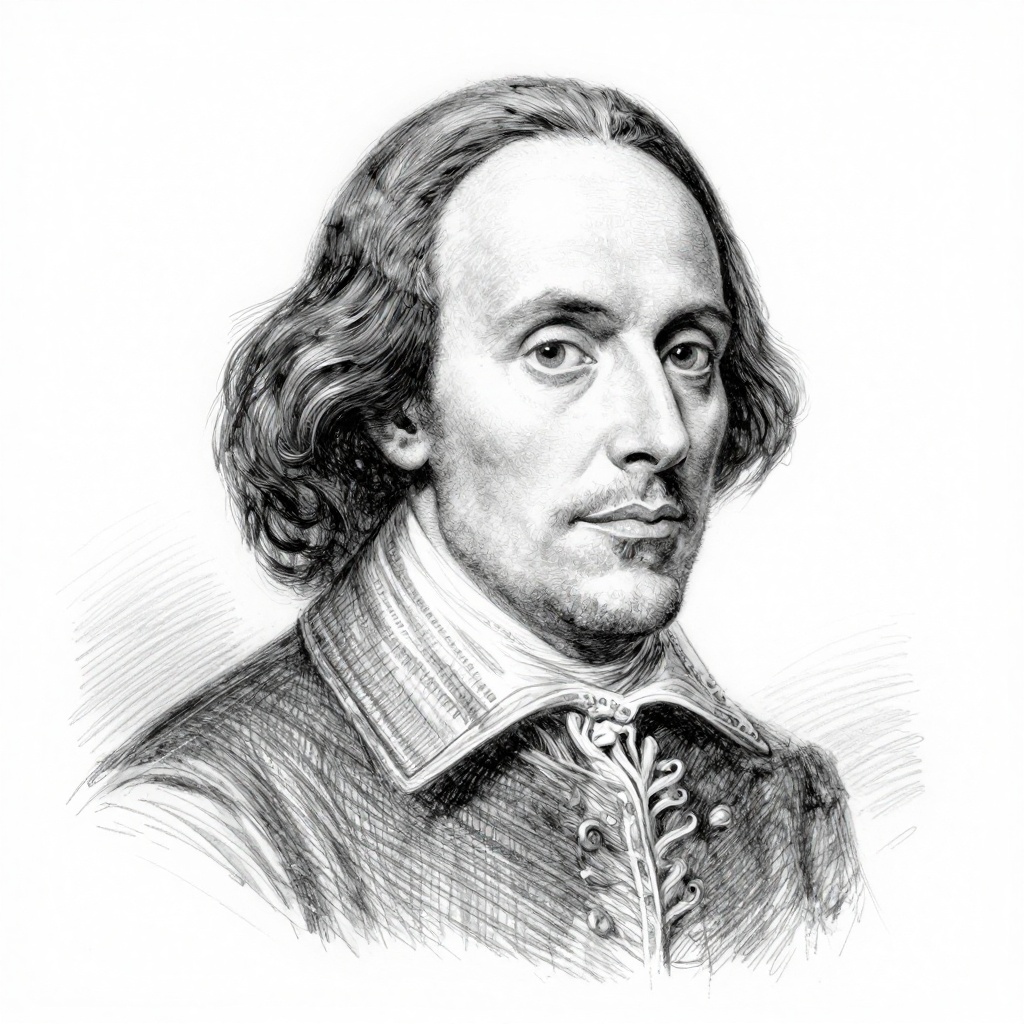
Comments