Quote · Added 23 June 2026
A man who has not hit his Claude limit by noon has wasted his morning.
Filed underlimit·time·productivity
Quote · Added 23 June 2026
Filed underlimit·time·productivity
There's something both funny and true about this quote, even though the "Claude limit" part is obviously a modern joke. The real insight underneath is about friction and boundaries forcing better thinking.
When you have unlimited time or resources, you actually get lazy. You tinker endlessly, second-guess yourself, start over. But when you know you've got a hard stop coming—whether that's a token limit, a deadline, or just deciding to spend only an hour on something—you suddenly get clear about what actually matters. You stop polishing the third draft of the first paragraph and move forward. You make real decisions instead of living in hypothetical mode. The constraint becomes your ally, not your enemy.
This applies to almost everything: your morning routine, how you spend time with family, even how you think through a problem. Without some kind of limit—time, money, attention—there's no urgency to prioritize. The best work often comes not from infinite freedom but from having to choose: this matters, that doesn't. That friction is where clarity lives.
d. 399
Socrates was a classical Greek philosopher known for his influential contributions to the field of ethics and his method of questioning others to stimulate critical thinking. He is famously portrayed in dialogues by his student, Plato, and is remembered for his teachings on moral integrity and the pursuit of wisdom.
Also by Socrates
Be kind, for everyone you meet is fighting a hard battle.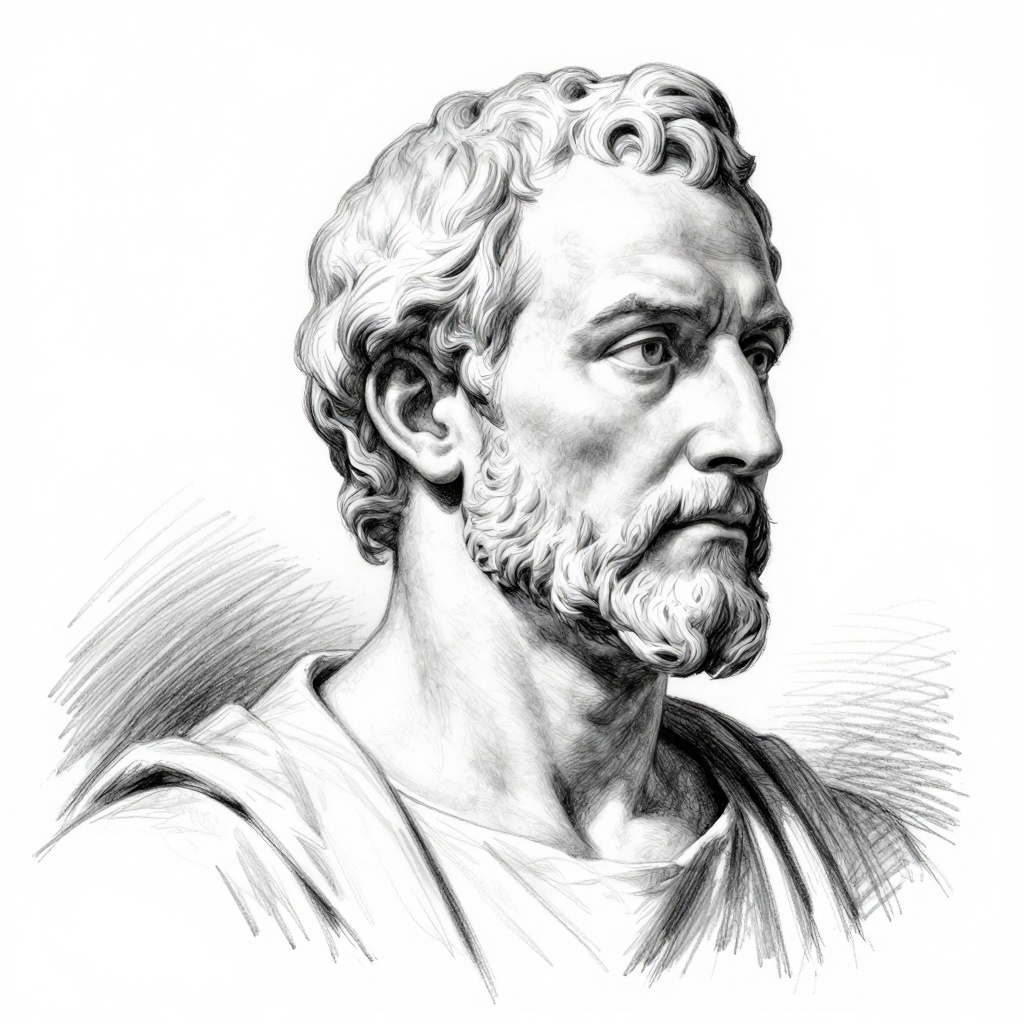
Comments