Quote · Added 16 February 2026
Reading
AI generatedChoose Your Roles, Not Your Self
We tend to think of "being authentic" as stripping away all performance and showing our "true self." But Shakespeare's insight cuts the other way: there might not be a true self hiding underneath at all. Instead, we're always performing—at work, with family, on social media, even alone. The question isn't whether you're performing, but whether you're performing consciously.
This matters because it takes the shame out of code-switching or adjusting your behavior for different contexts. You're not being fake when you're more reserved at a job interview than at a concert. You're just occupying different roles, like an actor moving between scenes. The freedom comes from recognizing this openly rather than pretending you have one fixed identity that you're betraying.
The tricky part is that some performances feel more alive than others. A role that energizes you—where you're playing a version of yourself you actually want to be—feels like authenticity. A role that depletes you feels like a mask. So maybe the real work isn't finding your "true self" but choosing which roles to spend your energy playing, and making sure at least some of them feel like home.
The author
All 81 quotes by William Shakespeare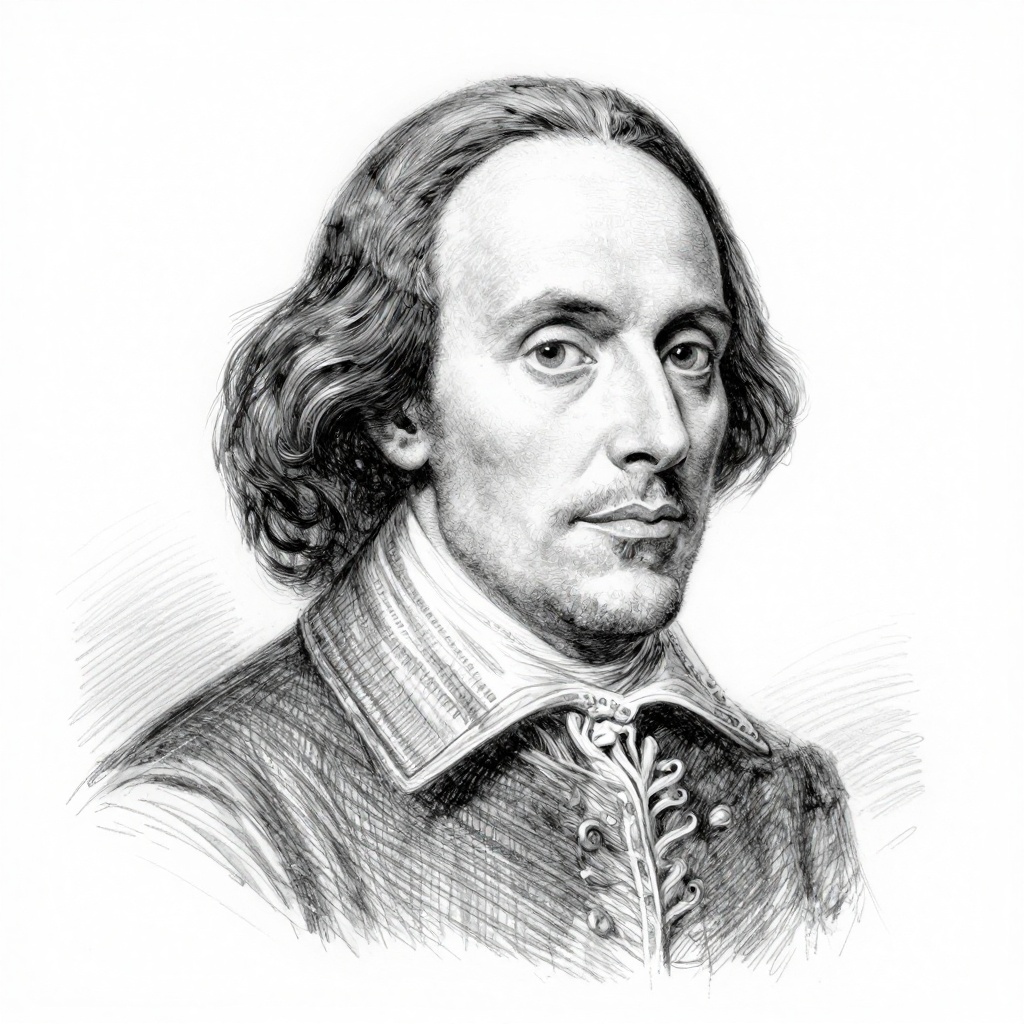
William Shakespeare
1564–1616·lived 52 years
William Shakespeare was an English playwright and poet, widely regarded as one of the greatest writers in the English language. Known for his iconic works such as "Romeo and Juliet," "Hamlet," and "Macbeth," Shakespeare's plays continue to be performed and studied around the world, showcasing his profound understanding of human nature and his timeless storytelling.
Also by William Shakespeare
Life is a tale told by an idiot, full of sound and fury, signifying nothing.
Comments