Quote · Added 16 February 2026
A rose by any other name would smell as sweet.
Filed underrose·identity·perception
Quote · Added 16 February 2026
Filed underrose·identity·perception
When we get caught up in labels and categories, we forget that the thing itself matters more than what we call it. A rose doesn't need the word "rose" to be beautiful or fragrant—it just is. This matters now more than ever, when we're obsessed with naming and categorizing everything: job titles, relationship statuses, personality types. We act like getting the label right is the hard part, when really it's just a container.
The tricky part is that names do shape how we see things. Even though a rose would smell the same with a different name, calling something by the wrong name can make us miss what's actually there. If we renamed roses "weeds," we might stop noticing their beauty. So Shakespeare isn't saying names are meaningless—he's saying they're less important than we think. The substance comes first; the label is secondary.
This is oddly liberating. When you're anxious about whether you're "good enough" at something, or what to call yourself, remember that your actual abilities, character, and impact don't change based on the terminology. The rose blooms regardless. Sometimes the most honest move is to stop worrying so much about what box something fits into and just pay attention to what it actually does.
1564–1616·lived 52 years
William Shakespeare was an English playwright and poet, widely regarded as one of the greatest writers in the English language. Known for his iconic works such as "Romeo and Juliet," "Hamlet," and "Macbeth," Shakespeare's plays continue to be performed and studied around the world, showcasing his profound understanding of human nature and his timeless storytelling.
Also by William Shakespeare
Life is a tale told by an idiot, full of sound and fury, signifying nothing.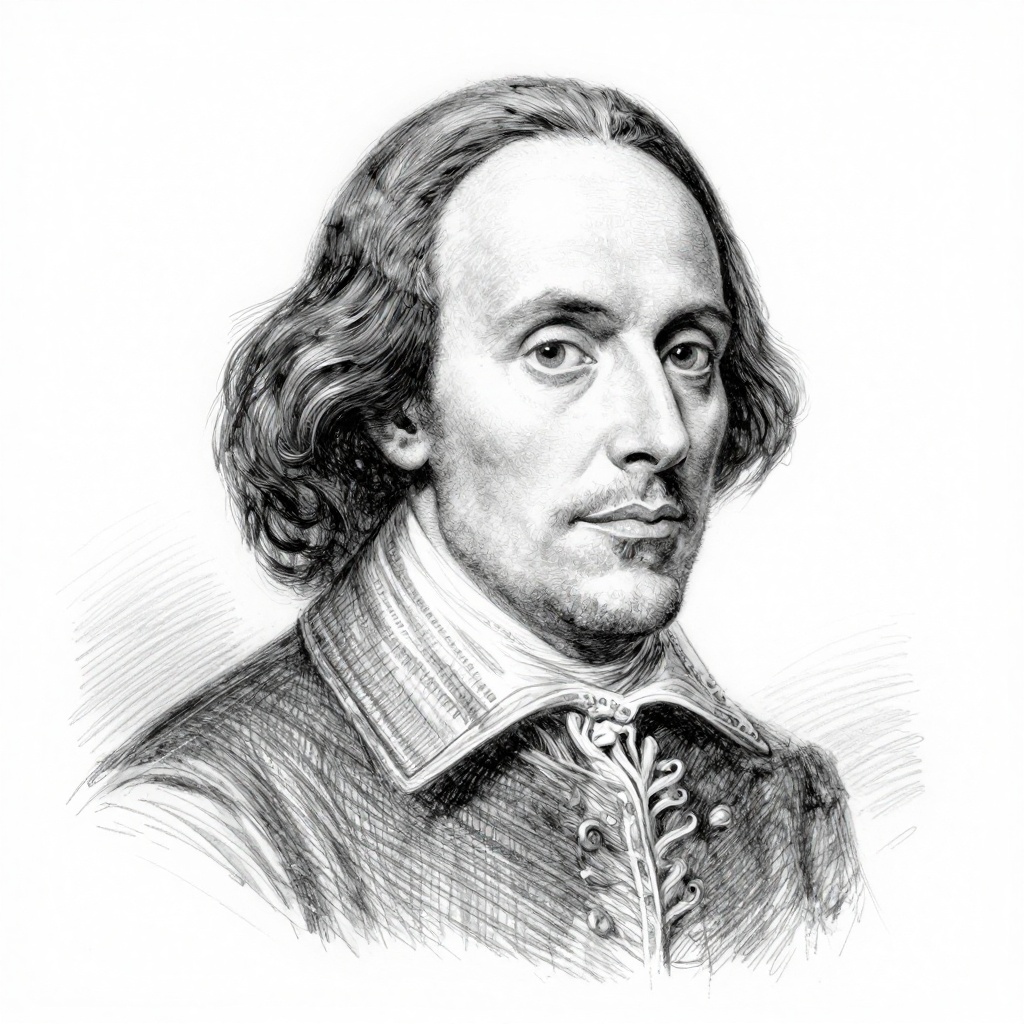
Comments