Quote · Added 1 May 2024
A fool thinks himself to be wise, but a wise man knows himself to be a fool.
William ShakespeareAs You Like It, Act 5, sc. 1, l. 30ff (1599)
Filed underwisdom·humility·self-awareness
Quote · Added 1 May 2024
Filed underwisdom·humility·self-awareness
The real trap of ignorance isn't not knowing things—it's not knowing that you don't know. Most of us have met someone (or been that person) who confidently holds opinions on topics they've barely looked into. They're not necessarily bad people; they're just operating under a dangerous illusion: certainty masquerading as knowledge.
What makes someone actually wise isn't having all the answers. It's the opposite. It's feeling the weight of how much exists beyond your understanding, and staying curious about it. A surgeon who recognizes the limits of her expertise makes better decisions than one who thinks she's figured it all out. A parent who admits confusion to their kid teaches more than one who pretends to have perfect answers. The acknowledgment of your own foolishness is what keeps you learning, questioning, and open.
This matters more now than ever, in a world where you can instantly find sources confirming almost any belief. It's easy to mistake Google access for actual wisdom. The real distinction between competent and overconfident people often comes down to this: the confident person knows exactly how much ground they haven't covered yet, and they're genuinely bothered by it. That friction—that discomfort with the edges of your knowledge—is actually a sign you're thinking straight.
1564–1616·lived 52 years
William Shakespeare was an English playwright and poet, widely regarded as one of the greatest writers in the English language. Known for his iconic works such as "Romeo and Juliet," "Hamlet," and "Macbeth," Shakespeare's plays continue to be performed and studied around the world, showcasing his profound understanding of human nature and his timeless storytelling.
Also by William Shakespeare
Life is a tale told by an idiot, full of sound and fury, signifying nothing.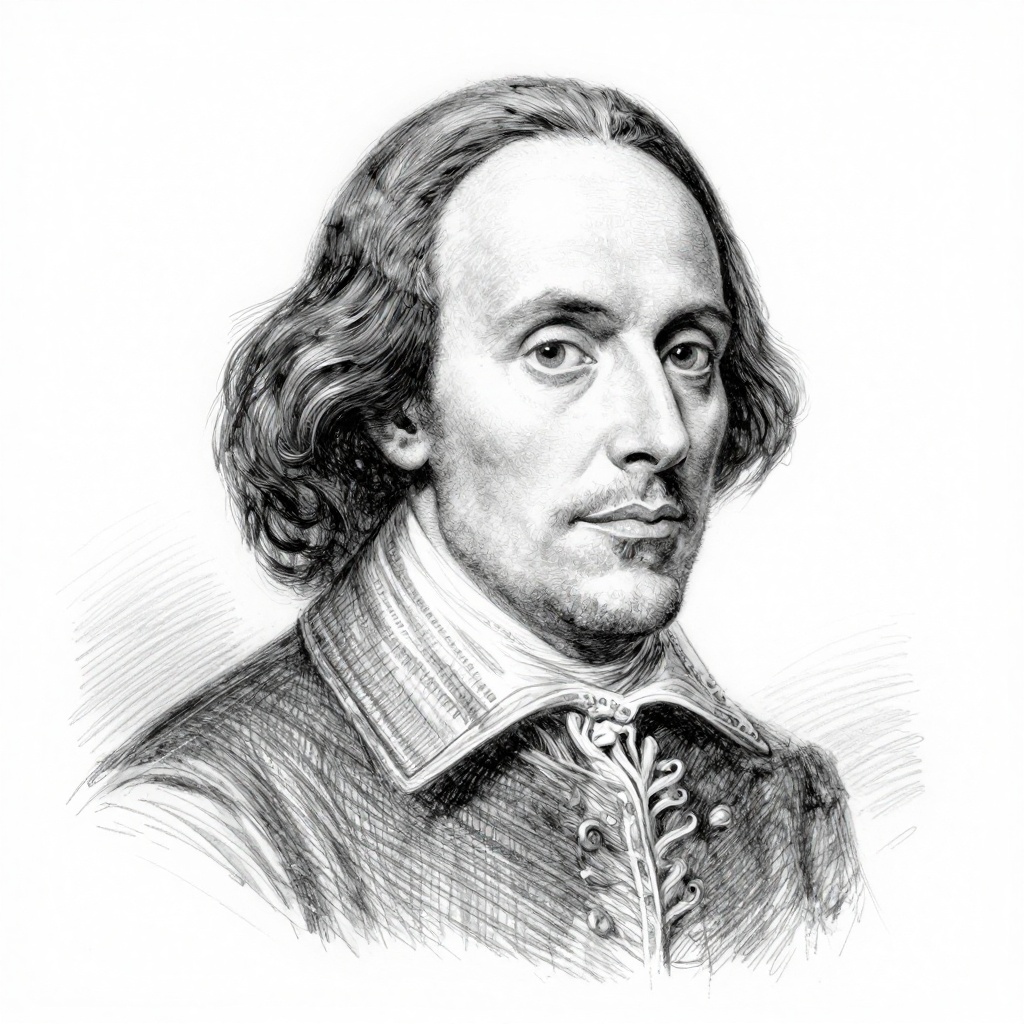
Comments