Quote · Added 14 February 2026
Humility and knowledge in poor clothes excel pride and ignorance in costly attire.
William PennSome Fruits of Solitude, p. 45, 1682
Quote · Added 14 February 2026
There's something quietly radical about this idea, especially now when we're all essentially wearing our credentials on display. A person who actually knows their field—who's read widely, asked hard questions, stayed curious—often looks less impressive than the confident charlatan in the perfect suit with the right credentials framed on the wall. We mistake polish for substance so easily.
The uncomfortable truth is that real knowledge often comes with a kind of humility baked in. The more you actually understand something, the more you see how much you don't know. Meanwhile, the person who knows just enough to be dangerous? They're usually the most certain, the most polished, the most willing to pronounce judgment. They haven't yet discovered all the ways they could be wrong.
What Penn is really saying is that we've got our value system backwards. We reward presentation and certainty while quietly dismissing the person who admits uncertainty and shows up without the armor. In a world drowning in confident opinions, someone who knows their limits and stays genuinely curious is worth far more than they usually get credit for. The question is whether we actually have the wisdom to recognize it.
1644–1718·lived 73 years
William Penn was an English Quaker leader, philosopher, and founder of the Province of Pennsylvania, a North American colony where religious freedom and peaceful cohabitation with the Native American tribes were promoted. Known for his advocacy of democracy and human rights, Penn played a significant role in the establishment of the principles of religious tolerance and fair treatment of indigenous peoples in the early American colonies.
Also by William Penn
Time is what we want most and what we use worst.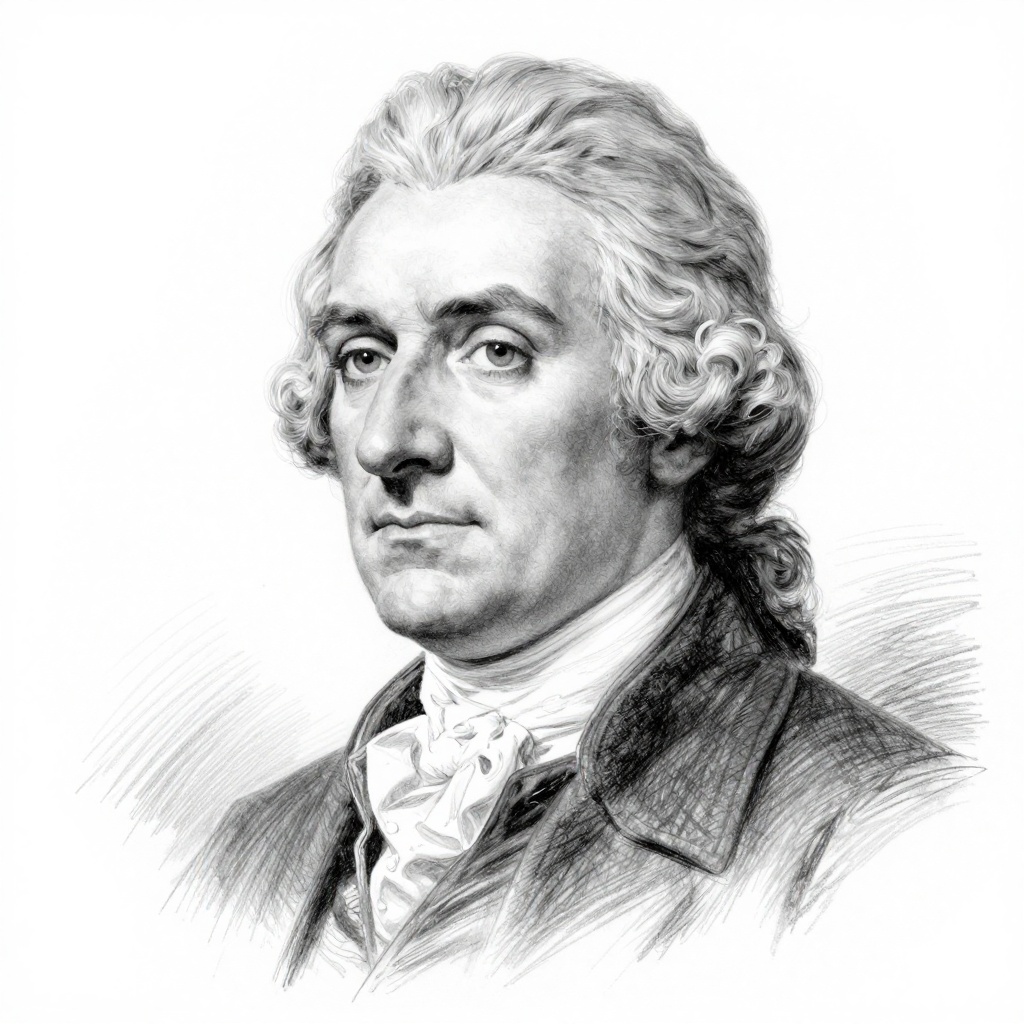
Comments