In marriage do thou be wise: prefer the person before money, virtue before beauty, the mind before the body; t... — William Penn

In marriage do thou be wise: prefer the person before money, virtue before beauty, the mind before the body; then thou hast a wife, a friend, a companion, a second self.

Author: William Penn

Insight: Most relationship advice tells you what not to do—don't rush, don't settle, don't ignore red flags. But this quote does something different: it names what to actually look for, in a surprisingly specific order. It's saying that who someone is matters more than what they bring or how they look. That sounds obvious until you notice how often we do the opposite—getting swept up by someone's success, their appearance, their ability to impress others—only to realize later that we don't actually like spending time with them. The real insight here is about companionship as the foundation. When Penn talks about having "a friend, a companion, a second self," he's describing what actually makes a long partnership survivable. Beauty fades, money comes and goes, but whether you genuinely enjoy someone's mind and company—that's what determines whether you're comfortable sitting across from them at breakfast thirty years later. It's the difference between being married and being partnered. This doesn't mean ignoring attraction or stability. It means putting them in the right order, like priorities in a recipe. Get the foundation right first, and the rest has something solid to rest on.

Choose character over everything else

In marriage do thou be wise: prefer the person before money, virtue before beauty, the mind before the body; then thou hast a wife, a friend, a companion, a second self.

Most relationship advice tells you what not to do—don't rush, don't settle, don't ignore red flags. But this quote does something different: it names what to actually look for, in a surprisingly specific order. It's saying that who someone is matters more than what they bring or how they look. That sounds obvious until you notice how often we do the opposite—getting swept up by someone's success, their appearance, their ability to impress others—only to realize later that we don't actually like spending time with them.

The real insight here is about companionship as the foundation. When Penn talks about having "a friend, a companion, a second self," he's describing what actually makes a long partnership survivable. Beauty fades, money comes and goes, but whether you genuinely enjoy someone's mind and company—that's what determines whether you're comfortable sitting across from them at breakfast thirty years later. It's the difference between being married and being partnered.

This doesn't mean ignoring attraction or stability. It means putting them in the right order, like priorities in a recipe. Get the foundation right first, and the rest has something solid to rest on.

AI generated

Comments

Sign in to leave a comment or reply to one.

Sign in

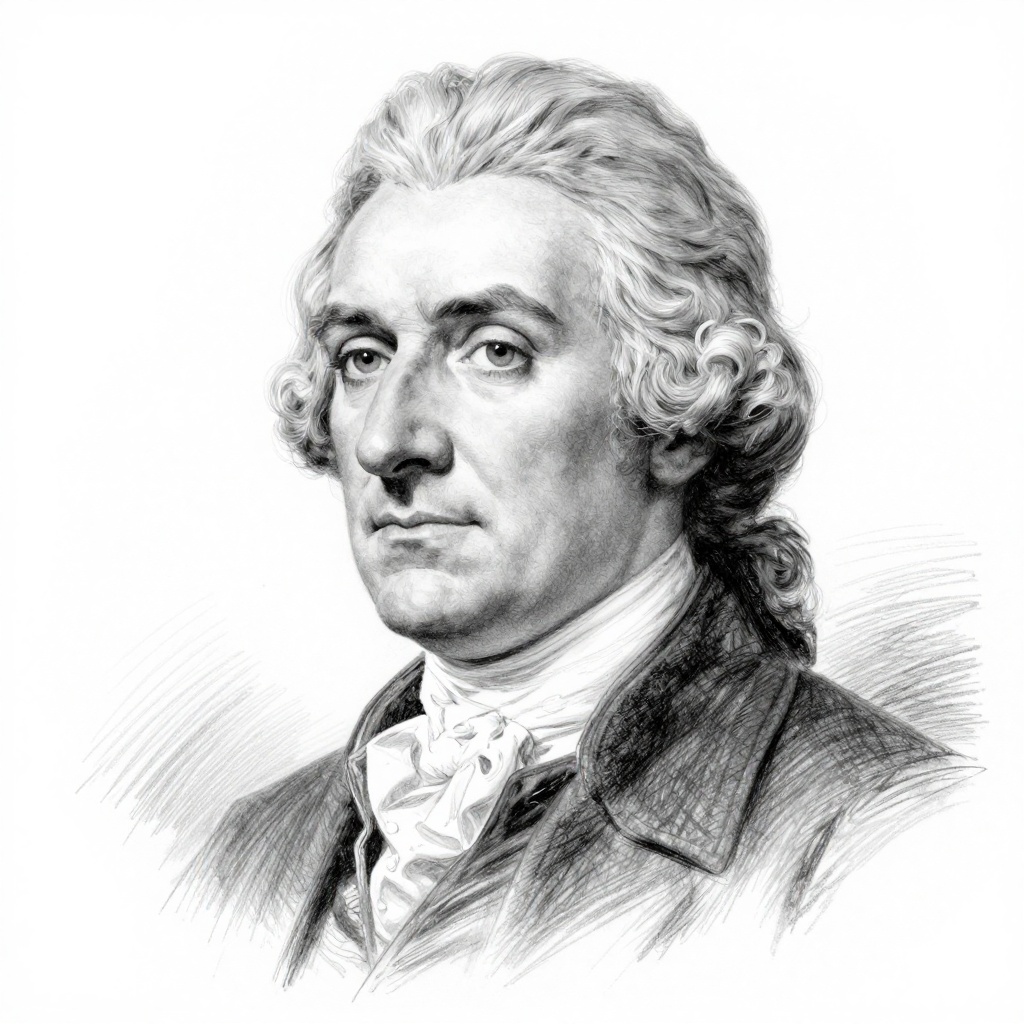
William Penn

William Penn was an English Quaker leader, philosopher, and founder of the Province of Pennsylvania, a North American colony where religious freedom and peaceful cohabitation with the Native American tribes were promoted. Known for his advocacy of democracy and human rights, Penn played a significant role in the establishment of the principles of religious tolerance and fair treatment of indigenous peoples in the early American colonies.

Graph

Related