Quote · Added 14 February 2026
For death is no more than a turning of us over from time to eternity.
William PennSome Fruits of Solitude, p. 45, 1682
Quote · Added 14 February 2026
Most of us treat death like a wall—a hard stop where everything we are just ends. But Penn offers something stranger: maybe it's less like dying and more like flipping a page. The anxiety we feel about death often comes from imagining non-existence, that terrifying blank. But what if the actual experience is simpler—just a transition, a shift in the nature of our being rather than its cancellation?
This reframes what death actually is to our everyday minds. We spend so much energy fearing the moment itself, when really we can't know what it feels like from this side of things. What we can observe is that everything we've already experienced—childhood, forgetting, sleep, leaving one chapter of life for another—has been a kind of turning over. We've died to versions of ourselves already without catastrophe.
The practical angle here isn't to become reckless, but to notice where death-anxiety bleeds into regular life. We hold grudges, avoid conversations, postpone joy—all because some part of us is unconsciously rehearsing the end. Penn suggests that might be overthinking it. The turning happens. We just don't get to see the other side until we do.
1644–1718·lived 73 years
William Penn was an English Quaker leader, philosopher, and founder of the Province of Pennsylvania, a North American colony where religious freedom and peaceful cohabitation with the Native American tribes were promoted. Known for his advocacy of democracy and human rights, Penn played a significant role in the establishment of the principles of religious tolerance and fair treatment of indigenous peoples in the early American colonies.
Also by William Penn
Time is what we want most and what we use worst.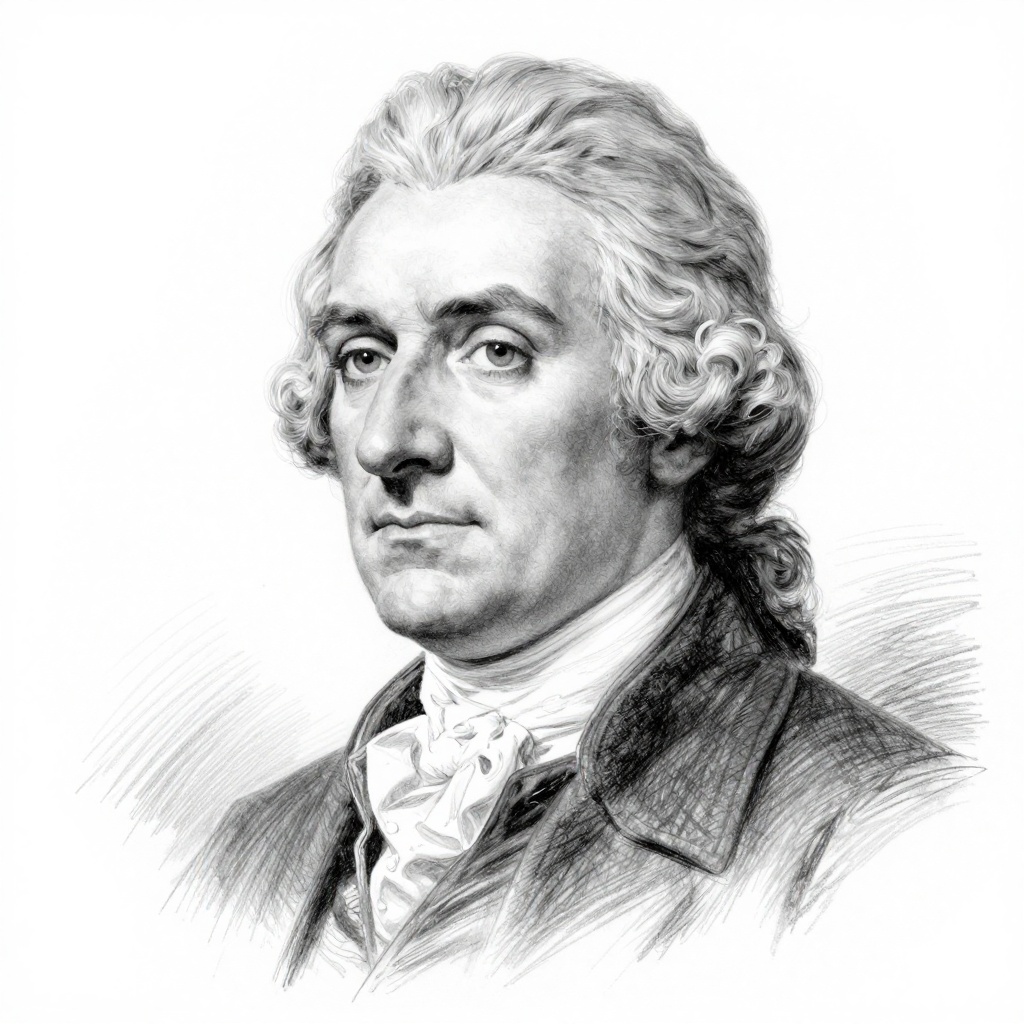
Comments