Quote · Added 21 January 2024
We are here to add what we can to life, not to get what we can from life.
Filed underlife·contribution·purpose
Quote · Added 21 January 2024
Filed underlife·contribution·purpose
Most of us spend our twenties and thirties asking "What can I get?" — a good salary, recognition, security, maybe a house or respect. It's natural. But somewhere around the middle of life, something shifts for people who feel genuinely satisfied. They stop optimizing for intake and start thinking about output. What am I actually building? Who am I helping? What will remain after I'm gone?
The twist is that this isn't actually selfless in the way it sounds. People who've made the shift report feeling more alive, not less. Contributing something — whether that's mentoring a younger colleague, creating work you're proud of, or just showing up fully for the people around you — scratches an itch that getting alone never does. You can accumulate a lot of things and still feel empty. But add something real to someone else's life? That's the thing that sticks.
The hard part isn't understanding this intellectually. It's actually rewiring your daily choices around it. That means sometimes choosing the slower path, the less profitable option, or the work that matters more than the work that pays. But that reorientation — from "What's in it for me?" to "What can I contribute?" — is often what separates people who end up satisfied from people who end up just tired.
1849–1919·lived 70 years
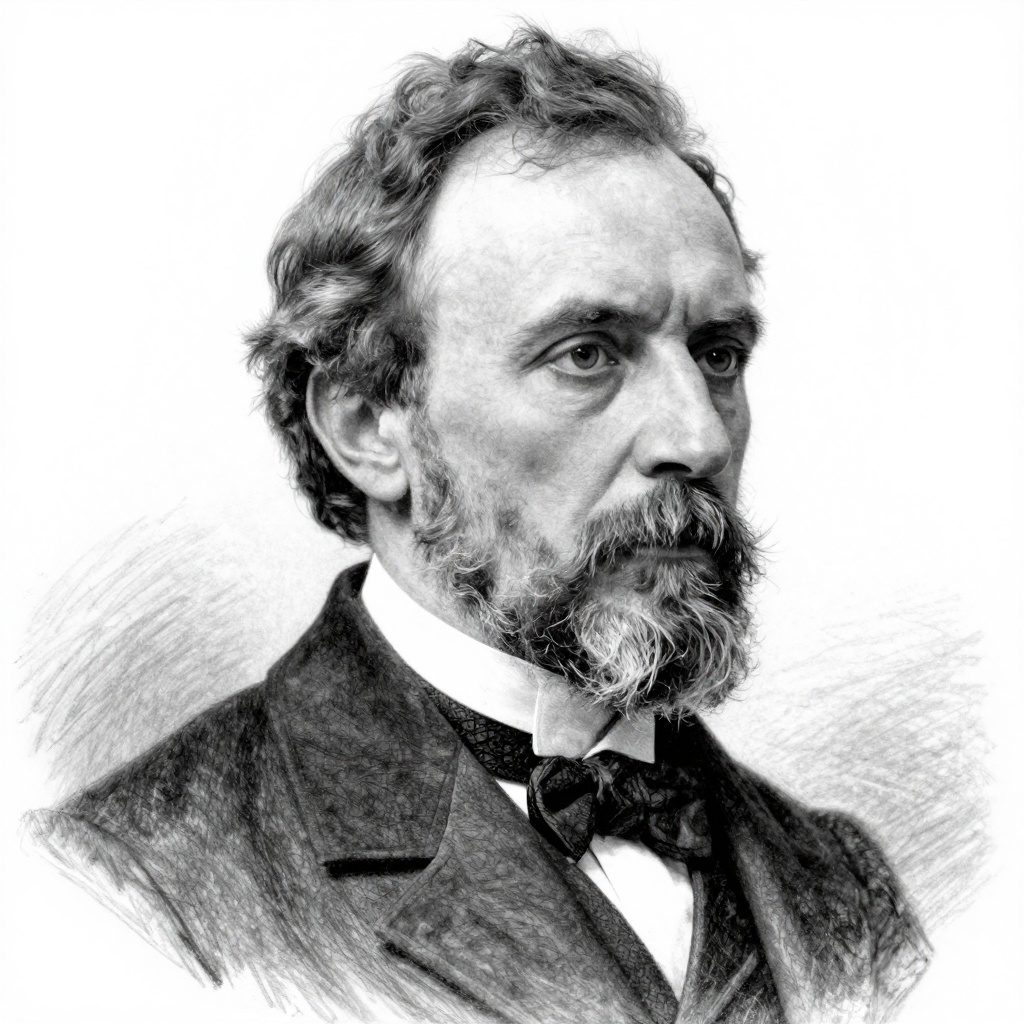
William Osler was a Canadian physician and one of the four founding professors of Johns Hopkins Hospital. He is known as the "Father of modern medicine" for revolutionizing medical education by focusing on bedside clinical training and the importance of patient care. Osler's textbook "The Principles and Practice of Medicine" is considered a classic in the medical field.
Comments