Quote · Added 14 February 2026
To change ones life: Start immediately. Do it flamboyantly.
William James3 Rules for making a change in your life, from William James, Richard Maybury's Attitude Solutions, 2008
Quote · Added 14 February 2026
Most advice about change whispers. Start small, build gradually, don't overwhelm yourself. It's sensible and depressing in equal measure, because it lets us pretend we're making a move while staying essentially comfortable. William James was saying something stranger: the moment you decide to change, you need to actually announce it to yourself and everyone else. Do it visibly. Make it real.
The psychology here is sneaky and powerful. When you change quietly, you preserve an escape hatch—you can always revert to your old way without anyone noticing. But flamboyance, the deliberate kind, closes that door. You've made a declaration. Your friends know you're serious about writing, learning, leaving, or becoming someone different. That social visibility isn't shallow vanity; it's actually the scaffolding that holds you up when motivation fades at week three.
The "start immediately" part cuts through the planning trap we all know. We wait for the right moment, the right conditions, the right season. But change doesn't need perfect conditions—it needs oxygen. The flamboyance is that oxygen: the dramatic gesture, the public commitment, the awkward announcement that forces you to show up even when you don't feel like it. Quiet improvements often fade. Visible ones have a way of sticking around.
d. 1910
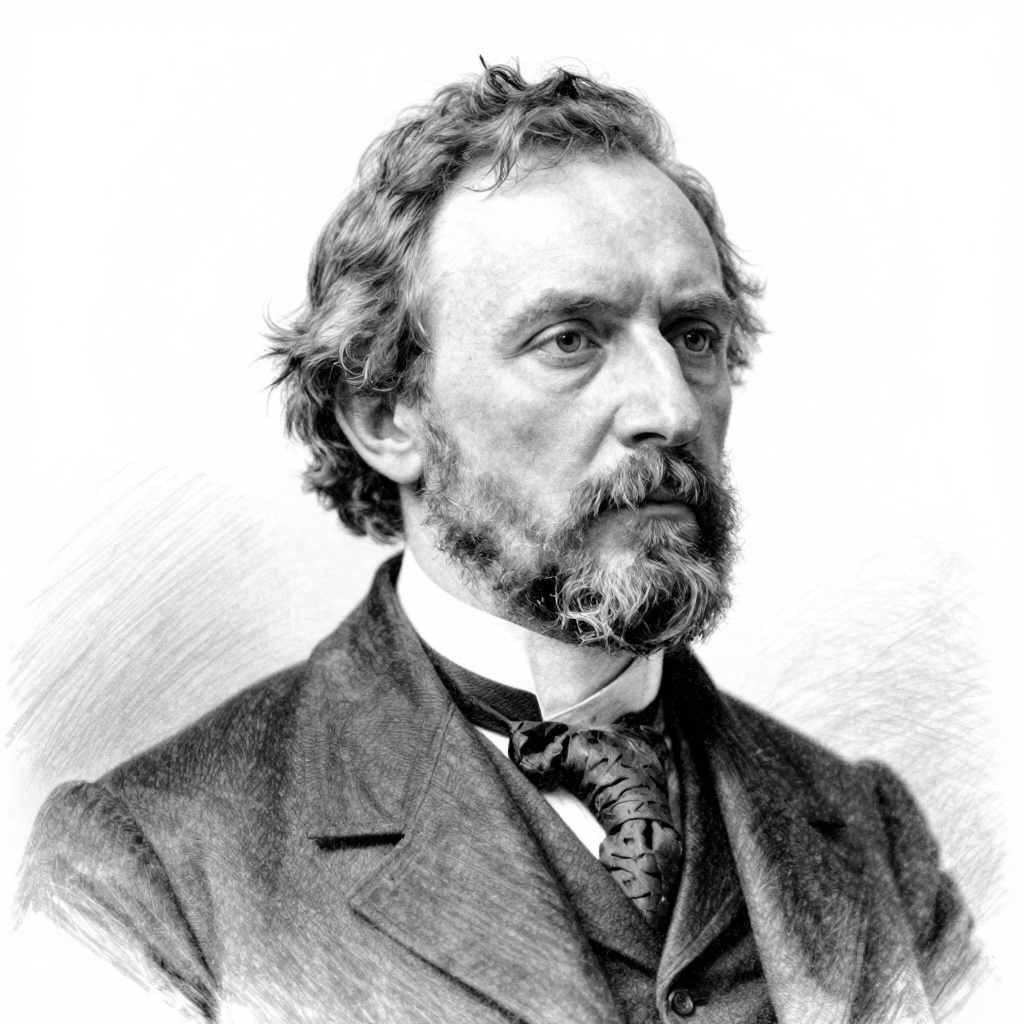
William James was an American philosopher and psychologist, often regarded as one of the most influential thinkers of the late 19th and early 20th centuries. Known as the "Father of American psychology," he was a pioneer in the development of pragmatism and his work explored the realms of consciousness, free will, and the nature of belief.
Comments