Quote · Added 15 February 2026
Reading
AI generatedWhat Outlasts Your Own Life
We often think of a meaningful life as feeling good day-to-day—pursuing happiness, comfort, or personal satisfaction. But William James points at something subtly different: that real purpose lives in the gap between your own lifespan and something larger. It's the difference between a good meal and a meal you cook for someone years later, who teaches it to their own kids. That shift from consumption to contribution is where many people find the thing they didn't know they were looking for.
The tricky part is that this doesn't require grand gestures. You don't need to build monuments or change history. Raising someone thoughtfully, mastering a craft and passing it on, defending an idea that matters, solving a problem that others will benefit from—these are all ways your effort ripples beyond your own years. Even small acts gain weight when they're chosen deliberately rather than done on autopilot.
What makes this quote feel urgent today is how easy it is to get trapped in the immediate. Social media, streaming, optimization—they all train us to live in the now. But meaning, James suggests, isn't found in the current moment alone. It's found in asking: what am I building that someone else will still value when I'm gone? That question, uncomfortable as it is, often clarifies what actually matters.
The author
All 19 quotes by William James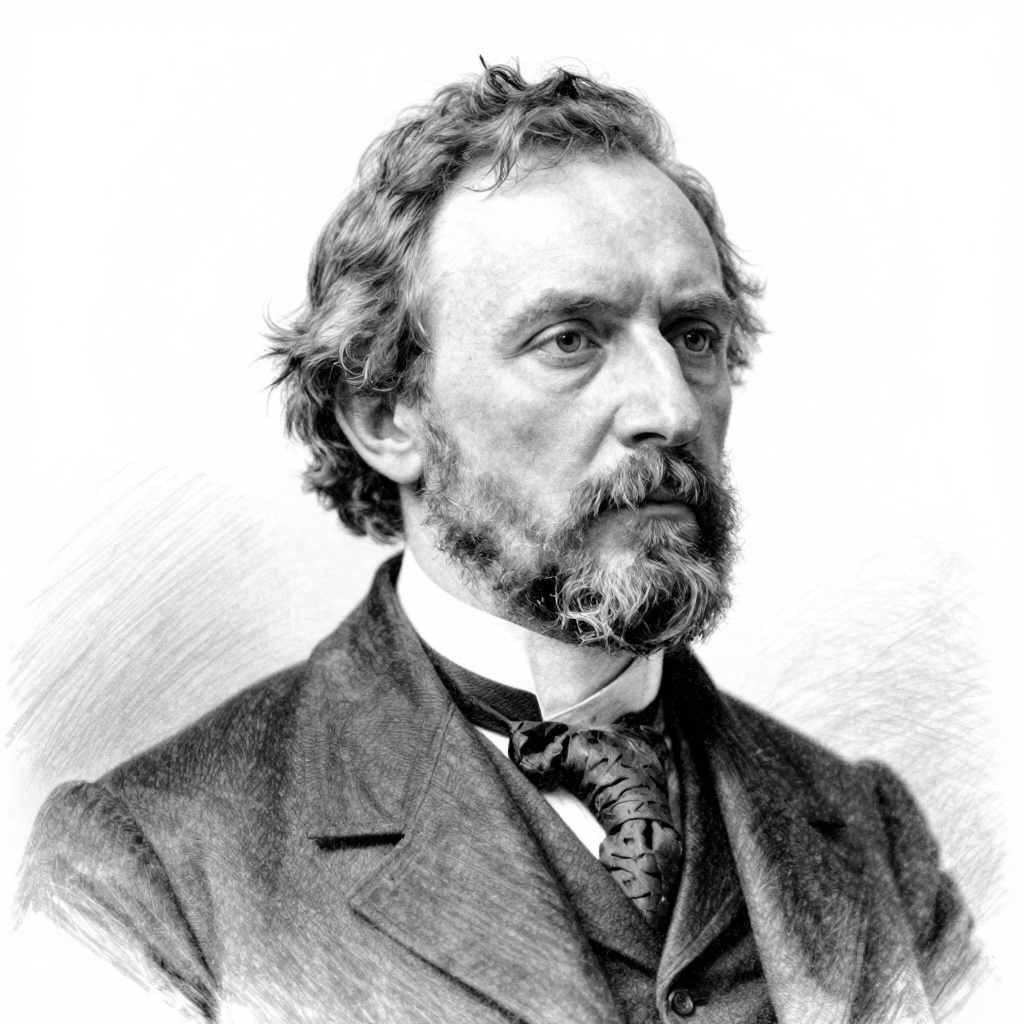
William James
d. 1910
William James was an American philosopher and psychologist, often regarded as one of the most influential thinkers of the late 19th and early 20th centuries. Known as the "Father of American psychology," he was a pioneer in the development of pragmatism and his work explored the realms of consciousness, free will, and the nature of belief.
Comments