Quote · Added 15 February 2026
The deepest principle in human nature is the craving to be appreciated.
Filed underappreciation·nature·craving
Quote · Added 15 February 2026
Filed underappreciation·nature·craving
We spend enormous energy chasing things we think we need—money, status, accomplishment—but often what we're really hunting for is simpler and harder to admit: the feeling that someone sees us and thinks we matter. A raise feels good partly because it's validation. A promotion stings less if the boss acknowledges your effort. Even a small "thank you, that really helped" can shift an entire day.
The tricky part is that this hunger for appreciation is so fundamental that we rarely examine it directly. Instead, we perform elaborate detours. We work late to prove ourselves. We over-explain our choices. We seek out people who notice us, sometimes even the people who notice us in unhealthy ways. And we often forget to give others what we crave so badly ourselves—the simple acknowledgment that they did something well, or that they matter.
What makes this principle feel urgent today is that we're more connected yet more invisibly lonely than ever. We post things hoping for reactions. We do good work in rooms where no one sees it. The antidote isn't hollow praise or forced compliments. It's noticing people specifically—what they actually did, why it took effort, why it mattered. That kind of genuine appreciation is rarer than we think, which is exactly why it lands so deep.
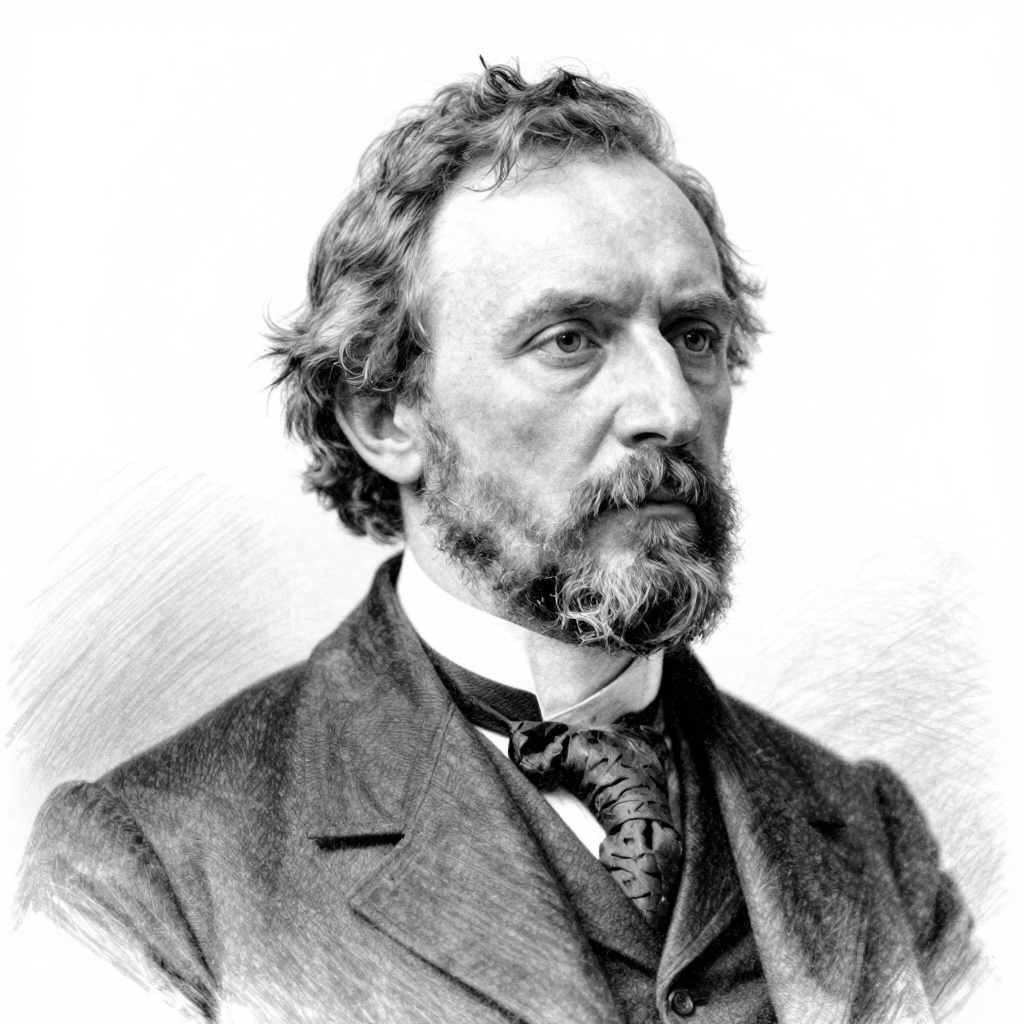
d. 1910
William James was an American philosopher and psychologist, often regarded as one of the most influential thinkers of the late 19th and early 20th centuries. Known as the "Father of American psychology," he was a pioneer in the development of pragmatism and his work explored the realms of consciousness, free will, and the nature of belief.
Comments