Quote · Added 14 February 2026
Most people never run far enough on their first wind to find out they've got a second.
William JamesThe Energies of Men, 1907
Filed undereffort·potential·perseverance
Quote · Added 14 February 2026
Filed undereffort·potential·perseverance
There's a particular moment that defines most people's relationship with their own potential: the moment they stop. Not because they've actually hit a wall, but because they feel tired and assume that's the signal to quit. William James was pointing at something we all experience but rarely name—that first exhaustion isn't the truth about your limits. It's just the truth about your comfort zone's edge.
Think about the last time you pushed past that initial fatigue. Maybe it was a conversation you almost didn't have, a project you nearly abandoned, or a run that felt impossible at the two-mile mark but suddenly opened up at three. That second wind exists, but you only find it by continuing when your body and mind are screaming that you should stop. The trap is treating the first discomfort as data about your actual capacity, when it's really just data about what's familiar.
What makes this genuinely practical is that it applies everywhere—to creative work, relationships, physical challenges, learning something hard. We live in a culture that encourages listening to our resistance immediately, which often means we never develop the resilience to discover what we're actually capable of. The first wind is the comfortable, known version of yourself. The second wind is who you become when you refuse to treat tiredness as the final word.
d. 1910
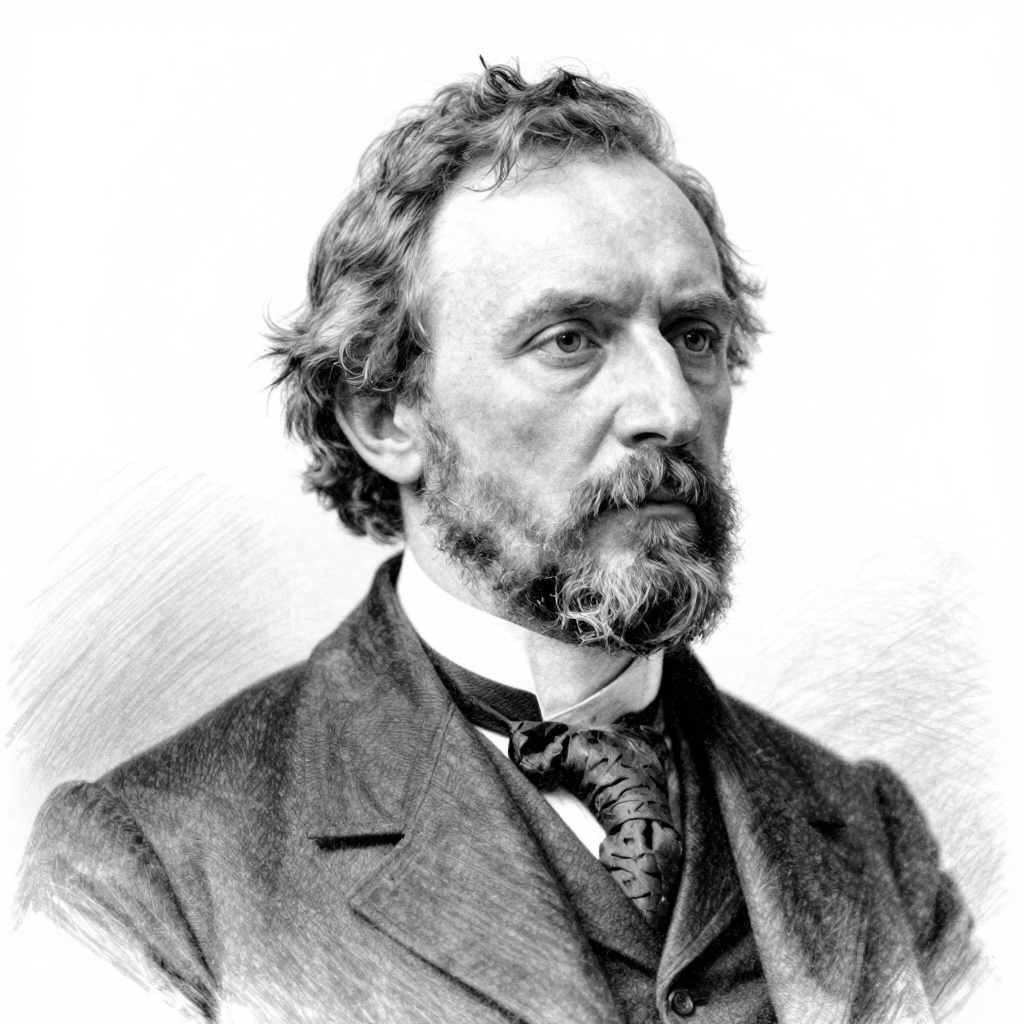
William James was an American philosopher and psychologist, often regarded as one of the most influential thinkers of the late 19th and early 20th centuries. Known as the "Father of American psychology," he was a pioneer in the development of pragmatism and his work explored the realms of consciousness, free will, and the nature of belief.
Comments