Quote · Added 14 February 2026
If you want a quality, act as if you already had it.
William JamesHow Fake It 'Till You Make It Really Is a Thing, Psychology Today, 2021
Quote · Added 14 February 2026
There's something almost magical about the idea that pretending to be confident might actually make you confident. But William James was onto something practical here, not magic. When you act as if you already possess something—courage, patience, decisiveness—you're not fooling anyone into thinking you're different. You're changing how your brain and body actually respond to situations.
Think about the last time you forced yourself to sit up straight when you felt defeated, or smiled when you were irritable. Those small physical acts shift something internal. Act brave in a difficult conversation and you'll notice your voice steadies. Pretend you're someone who keeps their space organized and suddenly you're more likely to actually do it. You're not being fake; you're bootstrapping yourself into a new pattern. Your brain doesn't always know the difference between genuine confidence and the actions of someone who's confident, so it starts believing the actions.
The catch is that it only works if you actually follow through with the behavior. Fake it genuinely, not halfheartedly. The quality you want isn't something that magically appears—it emerges through repeated action, through showing up as that version of yourself until the pretending becomes the real thing.
d. 1910
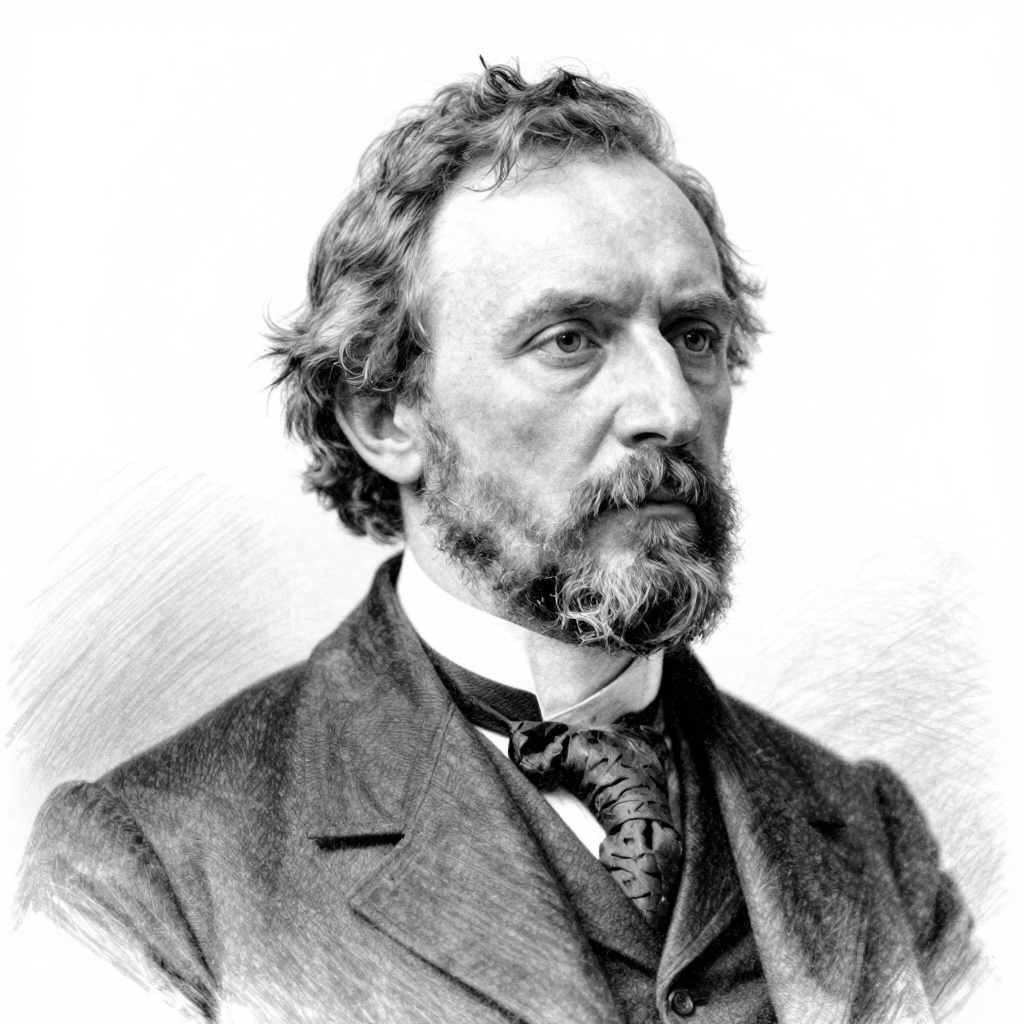
William James was an American philosopher and psychologist, often regarded as one of the most influential thinkers of the late 19th and early 20th centuries. Known as the "Father of American psychology," he was a pioneer in the development of pragmatism and his work explored the realms of consciousness, free will, and the nature of belief.
Comments