Quote · Added 28 April 2024
Solitude will be welcomed or endured or avoided, according as a man's personal value is large or small.
William HazlittOn Going a Journey, Table-Talk, 1821
Filed undersolitude·value·perception
Quote · Added 28 April 2024
Filed undersolitude·value·perception
There's a quiet truth here about what we reach for when we're alone. People who genuinely enjoy their own company—who have interests, curiosities, and thoughts that engage them—tend to seek out solitude. They're not bored by themselves. Meanwhile, people who dread being alone are usually running from something: the discomfort of facing their own thoughts, the anxiety of having nothing external to distract them, or simply the sense that their own company isn't worth the time.
But here's where it gets interesting: this doesn't mean you're either interesting or you're not, full stop. The relationship you have with solitude is actually something you can change. Every skill you develop, every book you finish, every question you learn to sit with instead of immediately googling—these things gradually shift what you're capable of being alone with. You become someone worth spending time with. It's not about becoming a hermit or achieving some enlightened state. It's just that boredom and restlessness often point to a life that's gotten too small, too reactive. Building something—whether that's knowledge, a hobby, or just the ability to think clearly—changes how you experience being by yourself.
1778–1830·lived 52 years
William Hazlitt (1778–1830) was an English essayist, drama and literary critic, painter, social commentator, and philosopher. Known for his insightful and passionate writing style, Hazlitt's essays and criticism on art, literature, and politics are considered some of the finest in English literature, influencing later writers and thinkers.
Also by William Hazlitt
To be happy, we must be true to nature and carry our age along with us.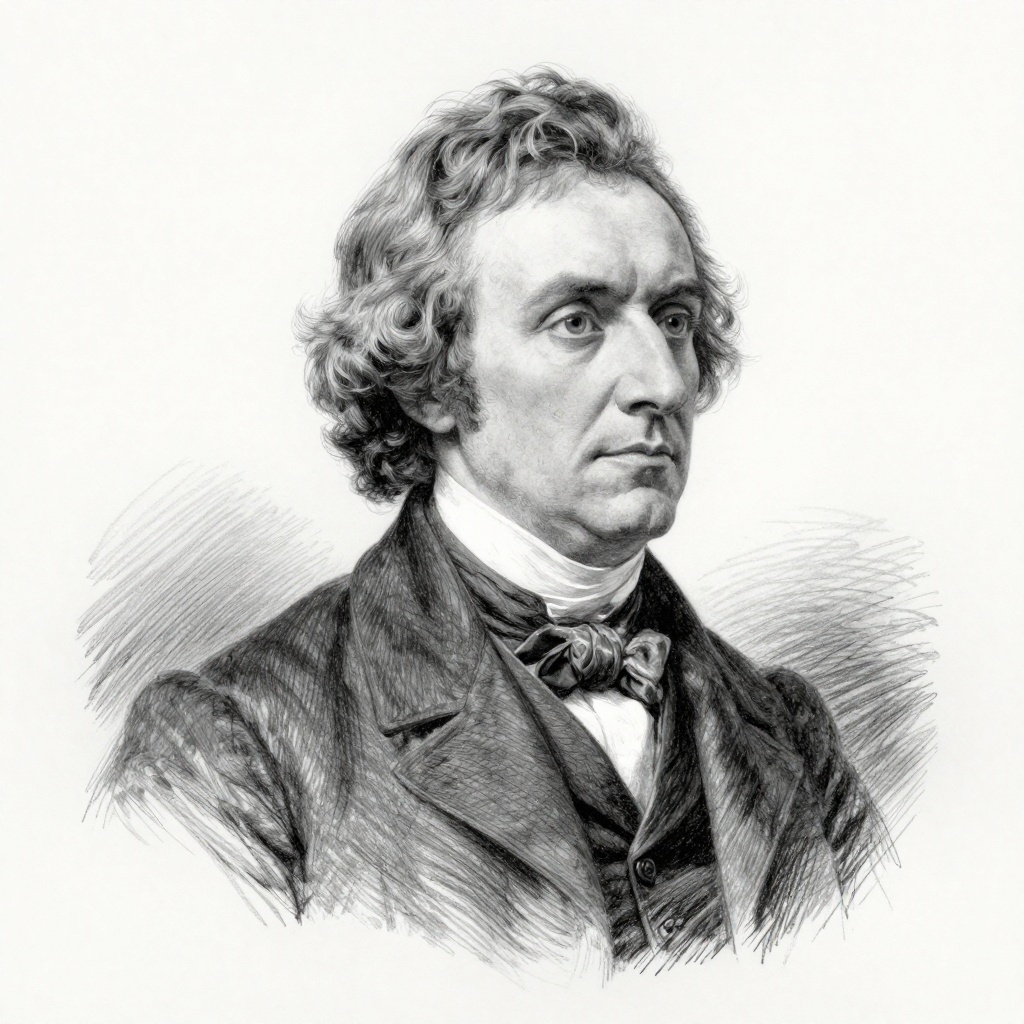
Comments