Quote · Added 14 February 2026
Humble souls are fearful of their own strength.
William GurnallThe Christian in Complete Armour, p. 542, 1865
Quote · Added 14 February 2026
There's something counterintuitive here that catches most of us off guard. We tend to think humble people are just naturally meek, lacking confidence or fire. But Gurnall points at something darker: real humility sometimes comes with a genuine fear of what you're actually capable of doing.
When you truly understand your own power—whether that's your ability to influence others, make sharp decisions, or push through obstacles—there's a weight to it. Humble people often feel that weight. They're not afraid of failing; they're afraid of succeeding in ways that might corrupt them, that might make them arrogant, or that might harm someone. They've seen how easily strength can tip into cruelty, how quickly certainty becomes blindness. So they hesitate. They double-check their motives. They hold back just slightly, not from weakness, but from an almost spiritual caution about their own capacity for damage.
This matters now because we live in a culture that celebrates confidence above all else. We're told to "own your power" without the second thought. But some of the most effective, trustworthy people you know probably move quietly through the world precisely because they're aware of their strength. Their hesitation isn't a bug—it's what makes them worth following.
1617–1679·lived 62 years
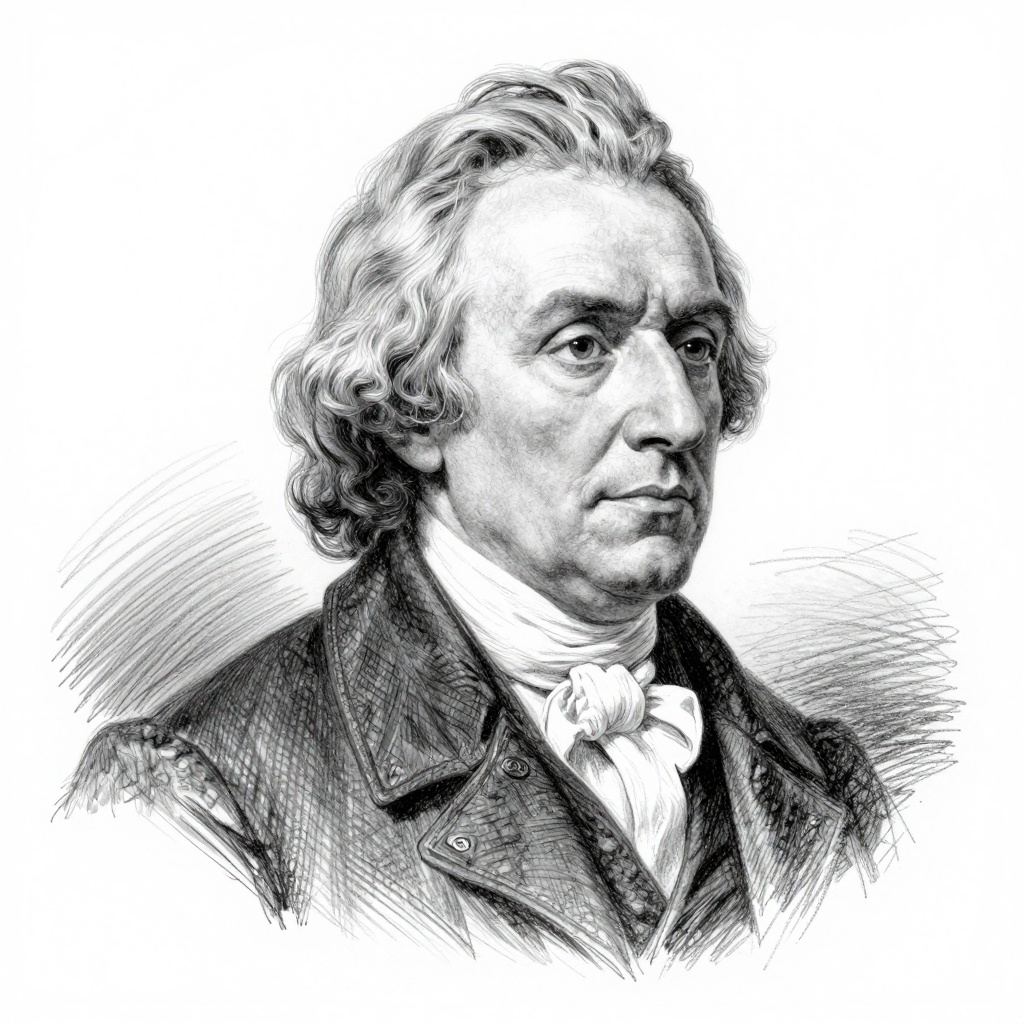
William Gurnall was an English Presbyterian minister and author, best known for his influential work "The Christian in Complete Armour," published in the 17th century. This book, which provides a detailed exposition of Ephesians 6:10-17, emphasizes the spiritual struggles and the necessity of faith in the life of a Christian. Gurnall's writings have had a lasting impact on Protestant theology and spiritual literature.
Comments