Quote · Added 14 February 2026
Perseverance is an active principle, and cannot continue to operate but under the influence of desire.
William GodwinEnquiry Concerning Political Justice, p. 123, 1793
Filed underperseverance·desire·motivation
Quote · Added 14 February 2026
Filed underperseverance·desire·motivation
We often treat perseverance like a muscle you just build through sheer willpower—grinding through the drudgery until discipline carries you across the finish line. But Godwin points at something most advice misses: you can't actually force yourself to keep going on nothing. The energy has to come from somewhere real inside you, some genuine pull toward what you're after.
This explains why so many New Year's resolutions crumble by February. They're built on obligation, not desire. You tell yourself you should want it, but desire doesn't work on command. That's why the people who finish hard projects are rarely the most disciplined—they're usually the ones who actually care about the outcome, who can imagine themselves living with that thing done.
The practical shift here is paying attention to what you actually want before you start grinding. If you're forcing yourself through something you don't deeply care about, adding more willpower is like pushing a car with no fuel. Sometimes that means changing the goal entirely, or finding a genuine angle on it that hooks your real interest. Perseverance isn't about being tougher than everyone else. It's about being smart enough to only persist at things that matter to you.
1756–1836·lived 80 years
William Godwin was an English philosopher, novelist, and political journalist born on March 3, 1756, who is best known for his works on political philosophy and his novel "Things as They Are; or, The Adventures of Caleb Williams." A prominent advocate of anarchism and individualism, he was one of the first to articulate ideas about the rights of the individual and the role of government. Godwin's influential writings laid the groundwork for later political thought and he is often associated with the early feminist movement through his marriage to Mary Wollstonecraft.
Also by William Godwin
No man knows the value of innocence and integrity but he who has lost them.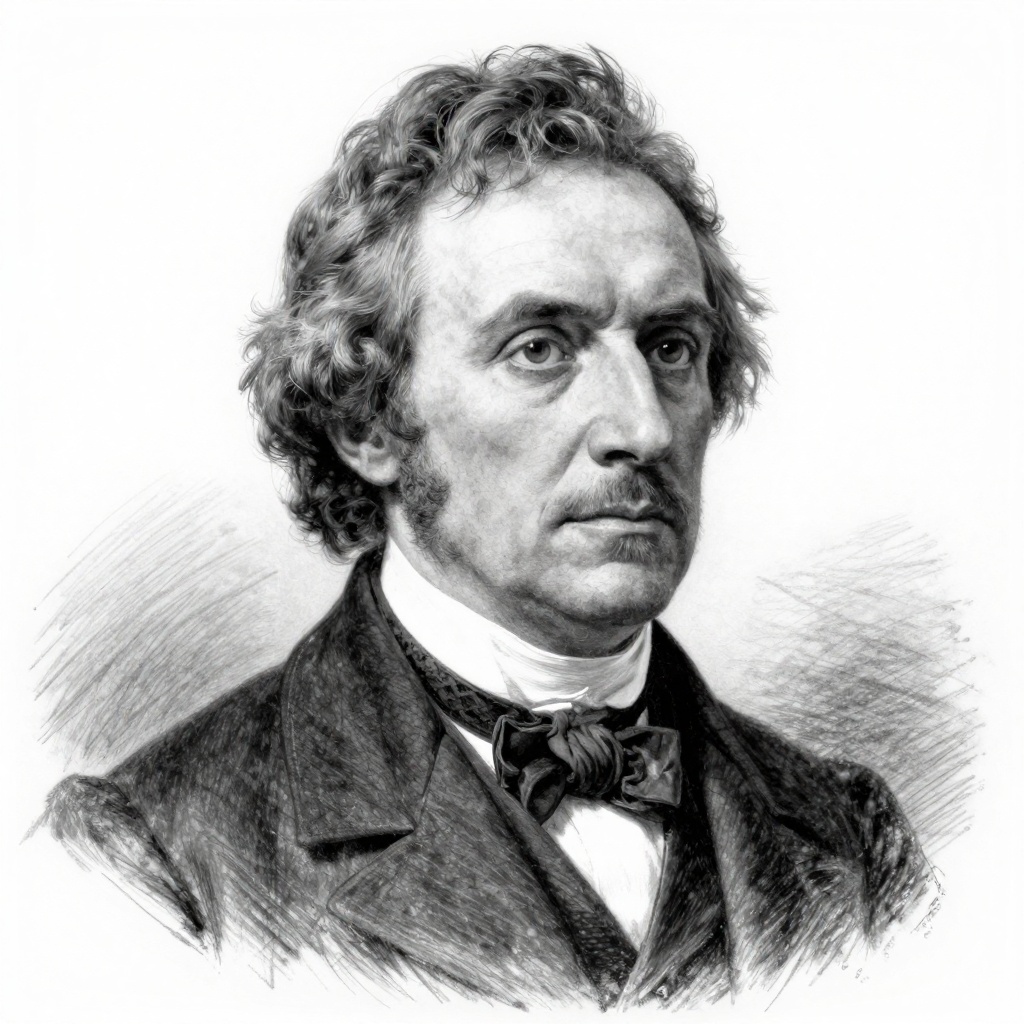
Comments