Quote · Added 14 February 2026
No man knows the value of innocence and integrity but he who has lost them.
William GodwinEnquiry Concerning Political Justice, p. 123, 1793
Quote · Added 14 February 2026
We tend to treat honesty and a clear conscience like air—present and unremarkable until suddenly it's gone. Most of us don't think much about our integrity until we're forced to compromise it, usually in small ways at first. A lie to get out of something uncomfortable. A shortcut that technically breaks no rules. Silence when we should speak. Only later, looking back, do we realize what we've surrendered.
This quote cuts at something specific about how we learn: we understand what matters most through absence, not presence. You don't know what your reputation is worth until you've damaged it and watched people treat you differently. You don't grasp the weight of a clear conscience until you're carrying the burden of one that isn't. It's tragic but human—we're often poor judges of our own treasures.
The less obvious angle is that this creates a cruel asymmetry. People who've never seriously compromised their integrity might undervalue it, treating honesty like a nice luxury rather than something foundational. Meanwhile, those who've lost it often can't get it back, no matter how much they now understand its price. That's why this matters today: we're constantly making small trades, betting we can recover what we're risking. Godwin is warning that some things, once genuinely lost, stay lost.
1756–1836·lived 80 years
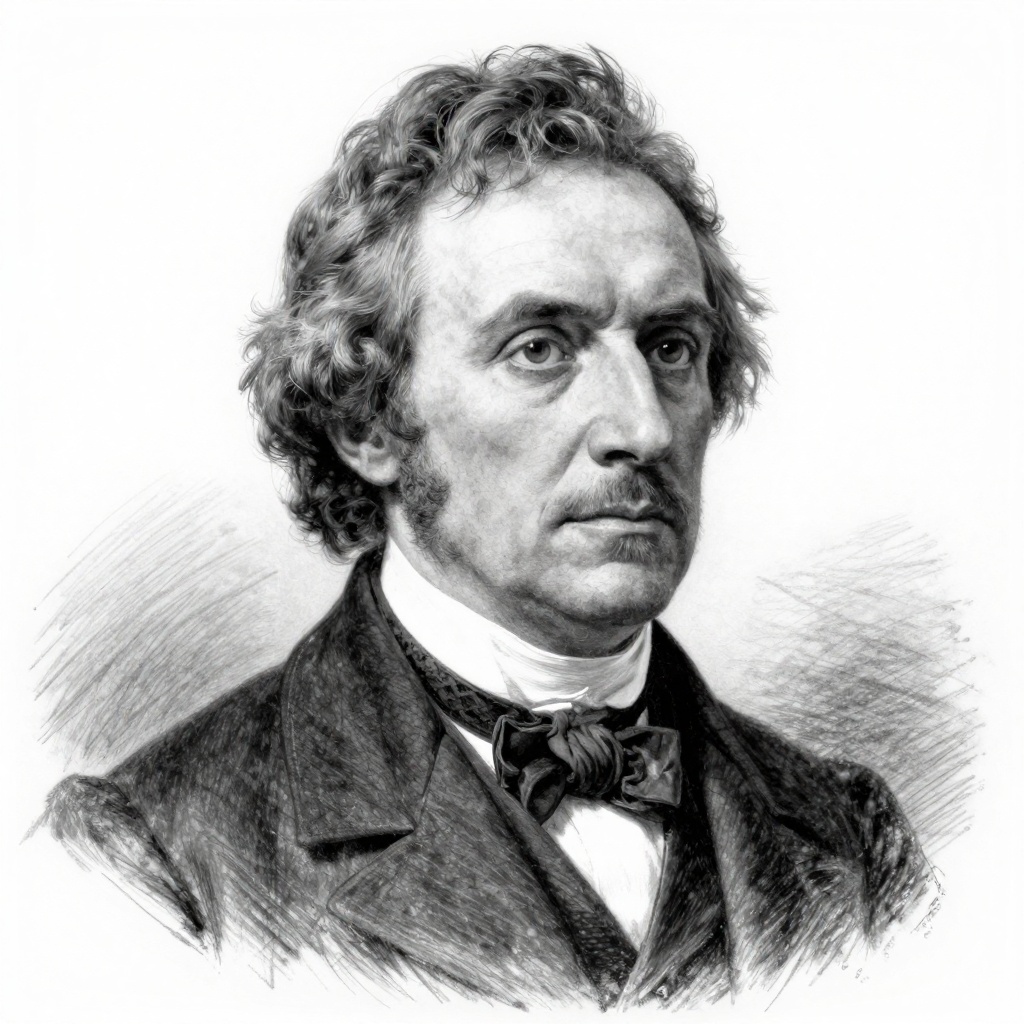
William Godwin was an English philosopher, novelist, and political journalist born on March 3, 1756, who is best known for his works on political philosophy and his novel "Things as They Are; or, The Adventures of Caleb Williams." A prominent advocate of anarchism and individualism, he was one of the first to articulate ideas about the rights of the individual and the role of government. Godwin's influential writings laid the groundwork for later political thought and he is often associated with the early feminist movement through his marriage to Mary Wollstonecraft.
Comments