Quote · Added 14 February 2026
Nothing which has entered into our experience is ever lost.
William Ellery ChanningSermons, p. 123, 1841
Filed underexperience·permanence·memory
Quote · Added 14 February 2026
Filed underexperience·permanence·memory
Everything that's happened to you is still in there somewhere, shaping how you see the world. Not just the big moments—the embarrassing conversation at a party five years ago, the way your parent laughed at something specific, the odd detail about a place you visited once. These fragments stick around whether we consciously remember them or not, quietly influencing our instincts, our tastes, our reflexes.
The surprising part is that this isn't just poetic—it actually explains why you react strongly to things you can't quite explain. Someone says a certain word and you feel uneasy. A song hits different. You trust or distrust someone for reasons you can't put into words. That's your experience talking, even when your conscious mind has filed it away. It means you're never really starting from scratch, even when you feel lost or new.
This cuts both ways, though. It's comforting to think that good moments and lessons are never truly gone—they're woven into who you are. But it also means the harder stuff stays too, which is why healing sometimes takes real work. The quote reminds us that we're not erasing our past; we're integrating it, learning from it, letting it become wisdom rather than just weight.
1780–1842·lived 61 years
William Ellery Channing (1780-1842) was an American Unitarian preacher and theologian, known for his advocacy of liberal Christianity and the establishment of the Unitarian movement in the United States. He emphasized the importance of reason and individual conscience in religious faith and was a prominent figure in the abolitionist movement. Channing's writings and sermons had a significant impact on American religion and social reform during the early 19th century.
Also by William Ellery Channing
Difficulties are meant to rouse, not discourage. The human spirit is to grow strong by con...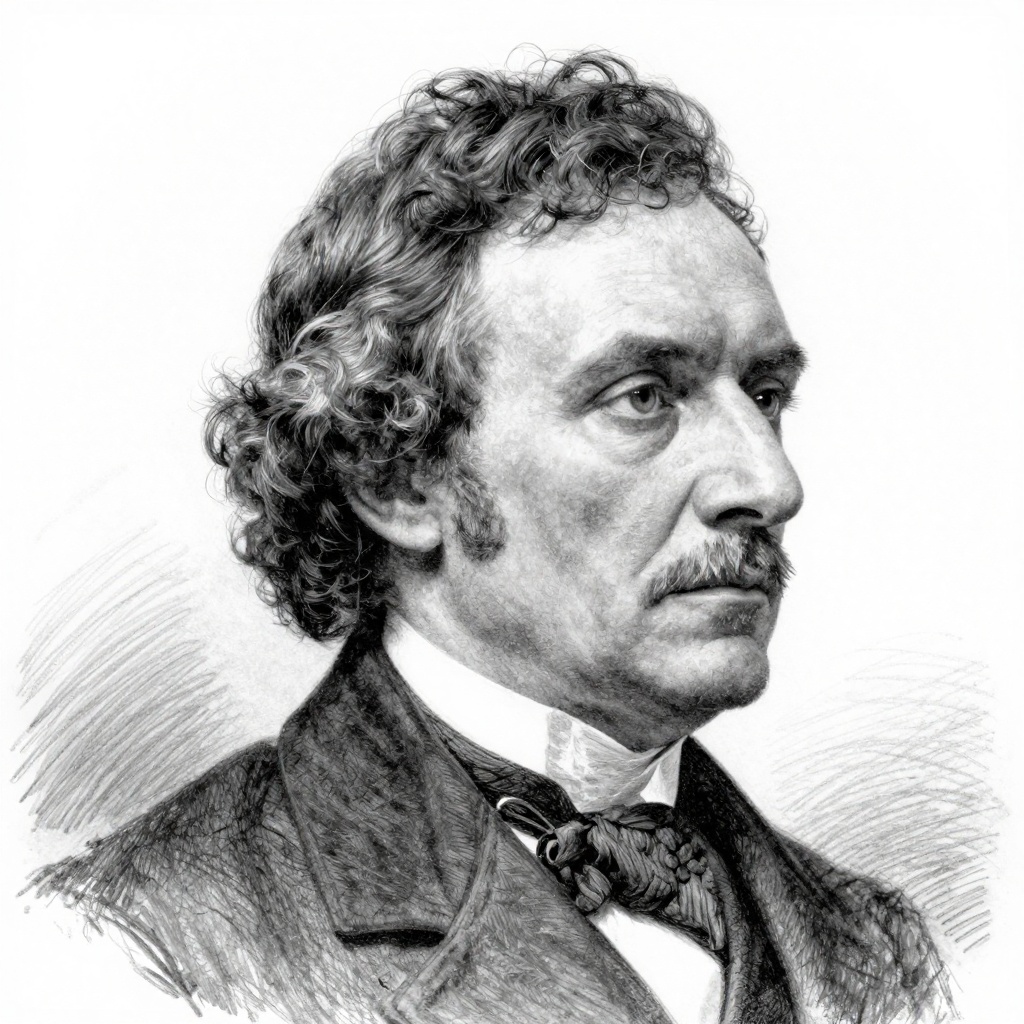
Comments