Quote · Added 14 February 2026
Difficulties are meant to rouse, not discourage. The human spirit is to grow strong by conflict.
William Ellery ChanningSelf-Culture, an address in Boston, September 1838
Filed underdifficulties·growth·resilience
Quote · Added 14 February 2026
Filed underdifficulties·growth·resilience
We live in a culture that treats difficulty as a bug, not a feature. We're sold apps and life hacks and optimization strategies all premised on the idea that struggle is something to eliminate, outsource, or minimize. But there's something worth questioning in that impulse. When you look back at moments you actually grew—learned something real about yourself, developed actual competence, gained resilience—it usually wasn't during the smooth parts. It was during the friction.
The tricky part is distinguishing between difficulty that builds you up and difficulty that just grinds you down. Not all conflict is productive. But the quote points at something true: the muscles of your character, your problem-solving ability, your capacity to handle uncertainty—these only develop under some load. Avoiding all hardship doesn't make life easier in the long run. It often makes you more fragile, less resourceful when challenges inevitably arrive anyway.
This doesn't mean you should go seeking suffering for its own sake. It means recognizing that when you're facing something hard—a skill you're struggling to learn, a relationship requiring difficult conversations, a problem with no obvious answer—that struggle itself might be exactly what you need. The resistance isn't what's wrong. It's what's working.
1780–1842·lived 61 years
William Ellery Channing (1780-1842) was an American Unitarian preacher and theologian, known for his advocacy of liberal Christianity and the establishment of the Unitarian movement in the United States. He emphasized the importance of reason and individual conscience in religious faith and was a prominent figure in the abolitionist movement. Channing's writings and sermons had a significant impact on American religion and social reform during the early 19th century.
Also by William Ellery Channing
Nothing which has entered into our experience is ever lost.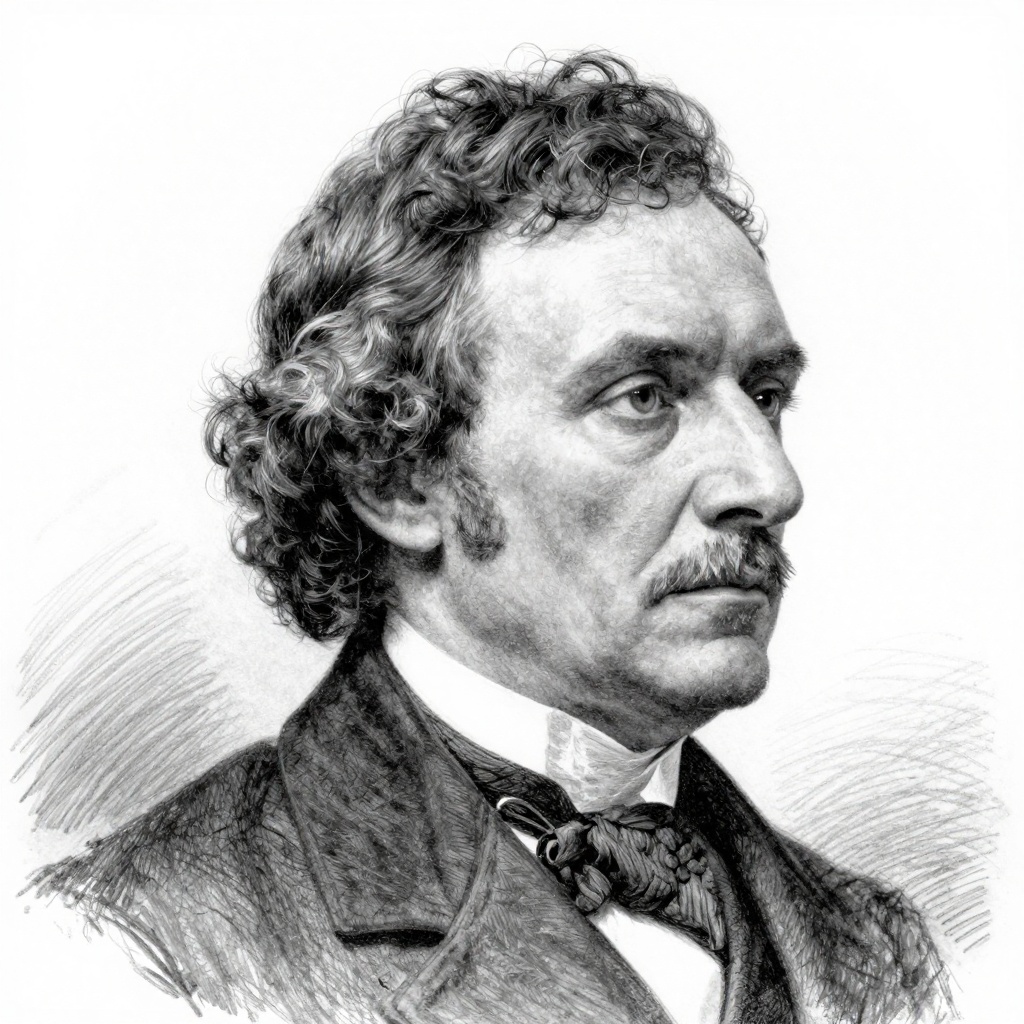
Comments