Quote · Added 14 February 2026
Where mercy, love, and pity dwell, there God is dwelling too.
William BlakeThe Divine Image, Songs of Innocence, 1789
Filed undermercy·love·compassion
Quote · Added 14 February 2026
Filed undermercy·love·compassion
There's something unsettling about this quote if you sit with it—it flips how many of us were taught to think about the sacred. We often imagine God as distant, separate, waiting in churches or appearing in moments of crisis. But Blake is saying something quieter and more radical: that the divine isn't somewhere else. It's here, in the small, unglamorous human acts of showing up for someone who's struggling.
Think about the moments when you've actually felt something larger than yourself—maybe it was when a friend sat with you through bad news without trying to fix it, or when you chose not to judge someone, or when you extended help to a stranger for no reason except that they needed it. Those moments don't feel like they need a building or a ceremony. They feel like something true is moving through the world. Blake is naming that feeling and calling it God, whether or not you use that word.
The practical weight of this is that mercy and love aren't side quests on the spiritual path—they're the path itself. When you're kind even when it costs you something, when you notice someone's pain and don't look away, you're not performing for an external judge. You're participating in whatever we mean by the sacred. That's both more demanding and more accessible than we usually think.
1757–1827·lived 69 years
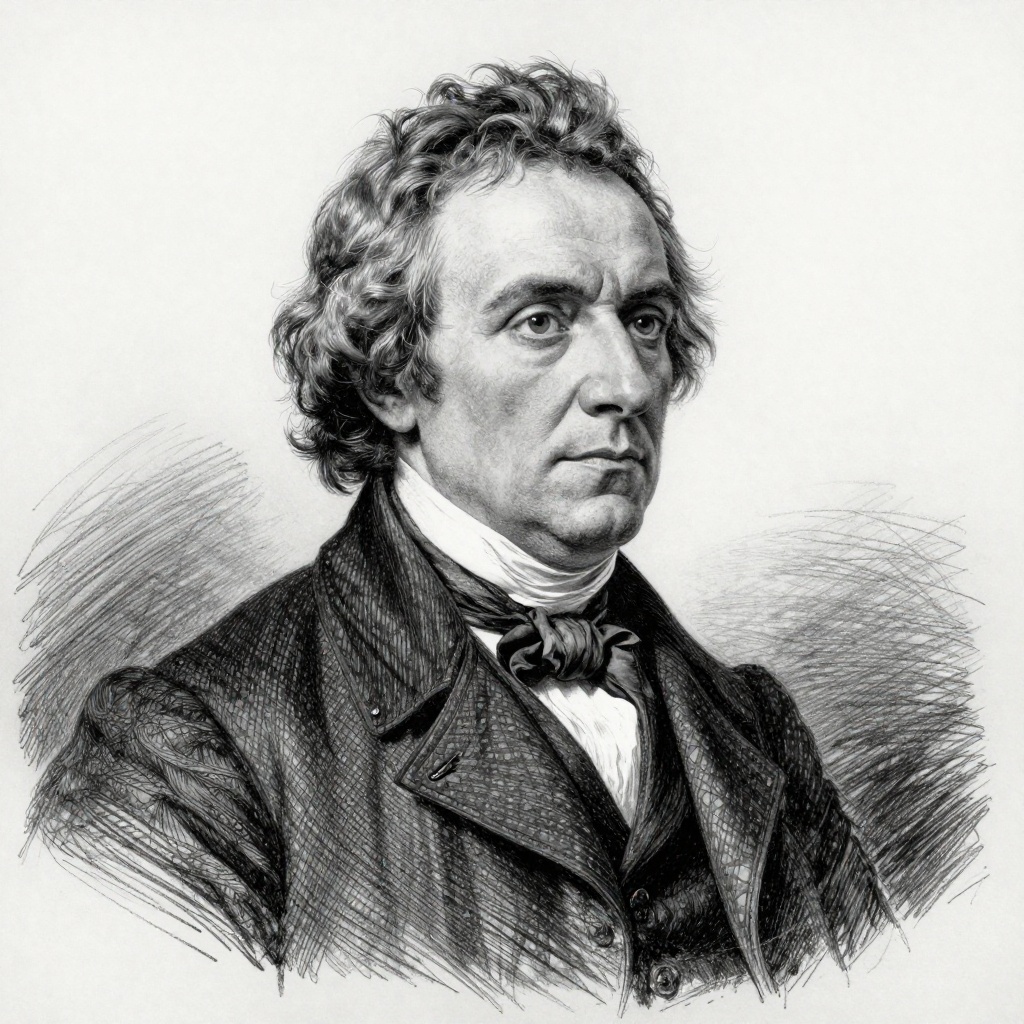
William Blake was an English poet, painter, and printmaker who is known for his visionary art and mystical poetry. His works often explored themes of spirituality, imagination, and the nature of existence, and he is considered one of the most significant figures of the Romantic age in literature.
Comments