Quote · Added 14 February 2026
The true method of knowledge is experiment.
William BlakeAll Religions are One, 1788
Filed underexperiment·knowledge·methodology
Quote · Added 14 February 2026
Filed underexperiment·knowledge·methodology
We tend to think of learning as something that happens in our heads—reading, thinking, absorbing information. But Blake was pointing at something different: you can't really know anything without trying it yourself. Knowledge isn't something you collect like facts in a file. It's something you build by doing, failing, adjusting, and doing again.
This matters more now than ever, partly because we have unlimited access to information but often feel like we understand nothing. We can read ten articles about cooking, meditation, or starting a project, but we won't truly know until we've burned something, sat quietly, or actually started. The gap between knowing about something and knowing it is real and often surprisingly wide. Blake's insight is that the second kind of knowledge—the kind that sticks and actually changes how you move through the world—requires you to put yourself in the situation.
There's also something quieter here: experiment implies a kind of permission to fail. You're not trying to get it right the first time. You're curious, you're testing, you're learning what happens. That mindset alone changes how we approach new things, making the whole process feel less like high-stakes performance and more like genuine discovery.
1757–1827·lived 69 years
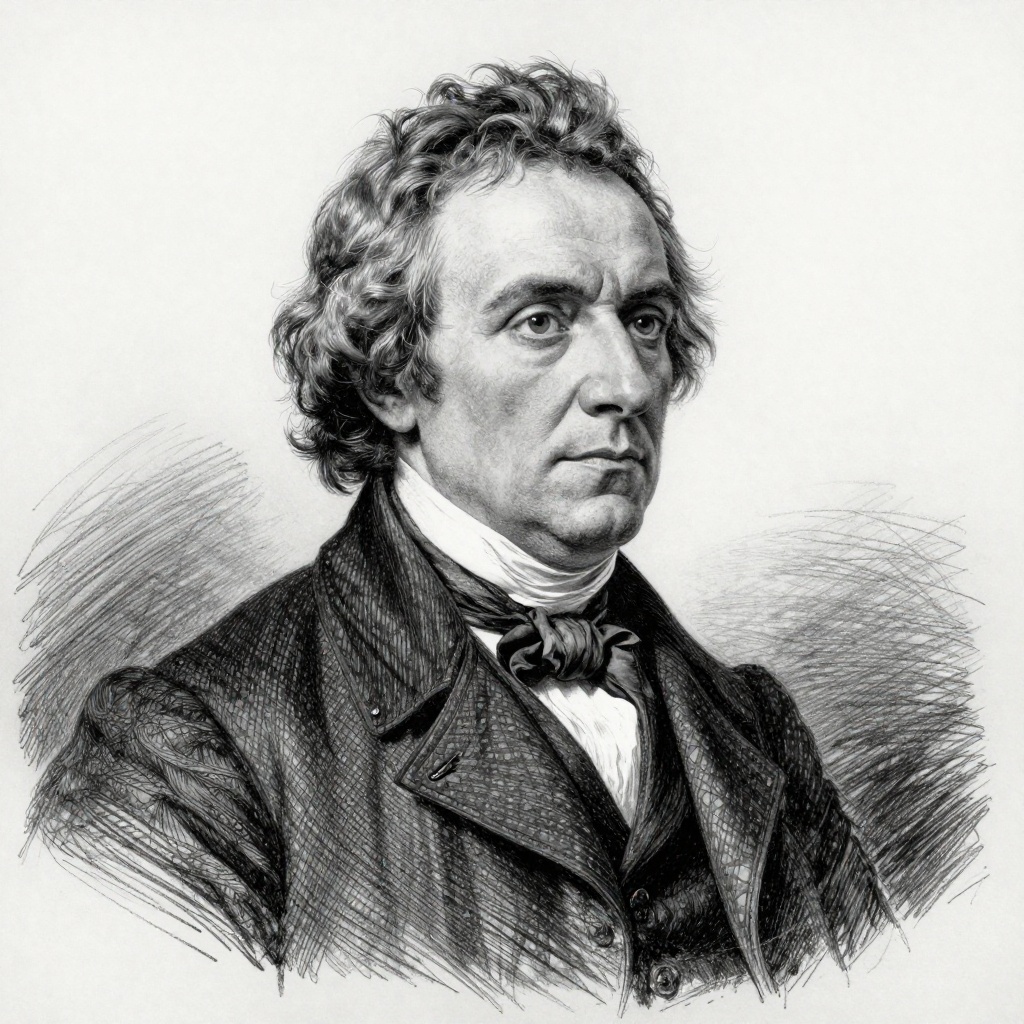
William Blake was an English poet, painter, and printmaker who is known for his visionary art and mystical poetry. His works often explored themes of spirituality, imagination, and the nature of existence, and he is considered one of the most significant figures of the Romantic age in literature.
Comments