Quote · Added 14 February 2026
A truth that's told with bad intent beats all the lies you can invent.
William BlakeAuguries of Innocence, 1803
Quote · Added 14 February 2026
We often assume the worst lies are the dangerous ones—the obvious fabrications we catch people in. But Blake points at something more insidious: the selectively true statement delivered to wound, control, or humiliate. It's the comment that's factually accurate but designed to sting. "You're right that I was late" said with the intention of making someone feel guilty over a minor mistake. The promotion going to someone more qualified—true, but weaponized to undermine confidence. These hurt differently than outright lies because we can't even defend ourselves with "that's not true." We're left just... wounded.
This cuts to why certain conversations feel so toxic even when nobody's technically lying. Intent bleeds through. A truth told to heal, to help someone grow, or to clarify something important lands completely different from the same words slung as ammunition. The irony is that society often celebrates brutal honesty as a virtue—"I'm just being real"—when really we're often just being cruel and calling it authenticity.
The practical takeaway isn't to avoid hard truths. It's to notice when you're about to deploy one as a weapon rather than a tool. Your motives matter as much as your accuracy.
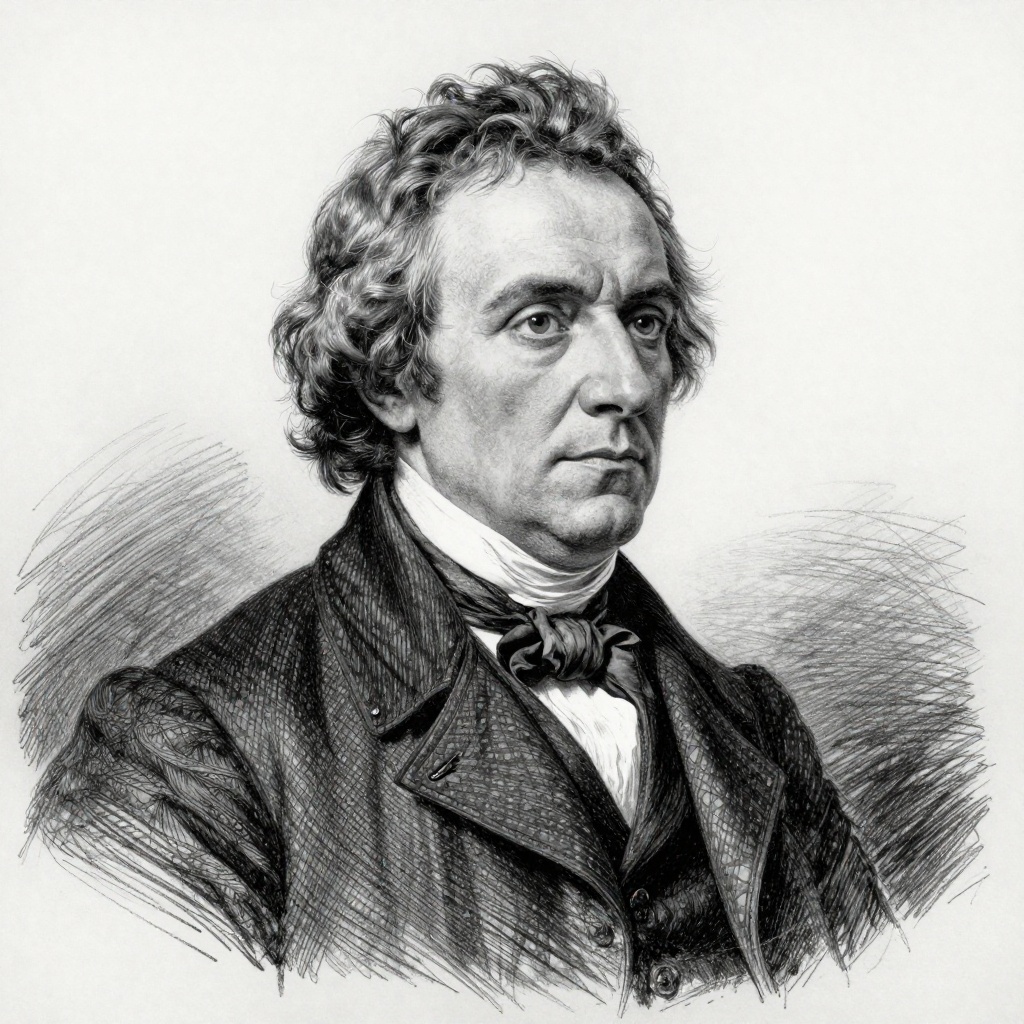
1757–1827·lived 69 years
William Blake was an English poet, painter, and printmaker who is known for his visionary art and mystical poetry. His works often explored themes of spirituality, imagination, and the nature of existence, and he is considered one of the most significant figures of the Romantic age in literature.
Comments