On the recollection of so many and great favours and blessings, I now, with a high sense of gratitude, presume... — William Bartram

On the recollection of so many and great favours and blessings, I now, with a high sense of gratitude, presume to offer up my sincere thanks to the Almighty, the Creator and Preserver.

Author: William Bartram

Insight: There's something almost foreign about the way Bartram pauses to count his blessings—not in a casual, fleeting way, but with deliberate reflection. He's actually stopping to notice. In our world of constant motion and comparison, we've almost forgotten this practice. We scroll past others' lives, fixate on what's missing, and rarely take time to genuinely account for what's already here. Yet people who do this—who actually sit with gratitude rather than just saying the word—report something shifts. The anxiety quiets. The resentment fades. What's quietly radical about this quote is that Bartram doesn't feel grateful because his life is perfect. He's grateful for blessings and favors, yes, but also for being preserved—for simply still being here. That distinction matters. He's not waiting for the ideal circumstances. He's recognizing that existence itself, with all its ordinary continuations, is worth acknowledging. A meal, a functioning body, people who showed up—these weren't guaranteed. The "high sense" he mentions isn't about feeling euphoric. It's about elevation—the small lift that comes from genuinely seeing what you have rather than what you lack. That shift in perspective, from scarcity to acknowledgment, is available to anyone willing to pause and look.
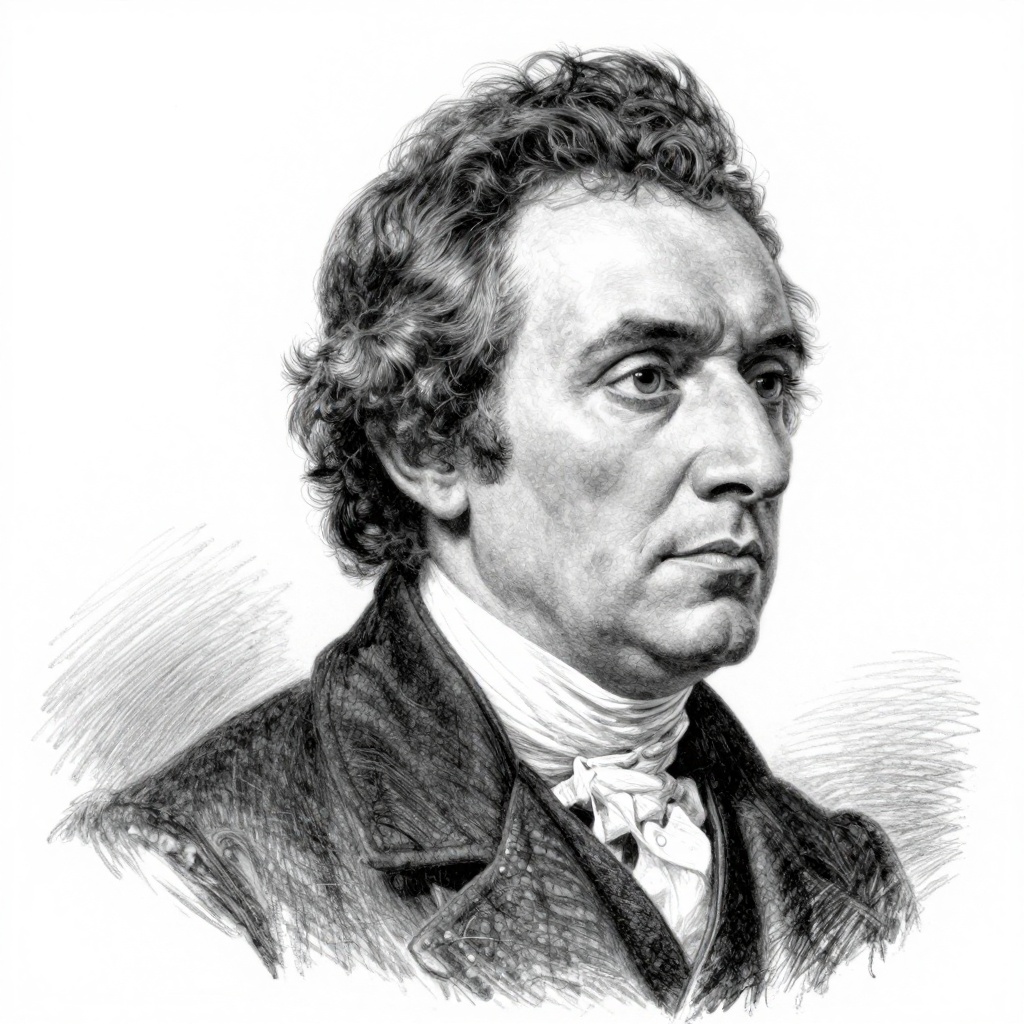
Counting What's Already Here

On the recollection of so many and great favours and blessings, I now, with a high sense of gratitude, presume to offer up my sincere thanks to the Almighty, the Creator and Preserver.

There's something almost foreign about the way Bartram pauses to count his blessings—not in a casual, fleeting way, but with deliberate reflection. He's actually stopping to notice. In our world of constant motion and comparison, we've almost forgotten this practice. We scroll past others' lives, fixate on what's missing, and rarely take time to genuinely account for what's already here. Yet people who do this—who actually sit with gratitude rather than just saying the word—report something shifts. The anxiety quiets. The resentment fades.

What's quietly radical about this quote is that Bartram doesn't feel grateful because his life is perfect. He's grateful for blessings and favors, yes, but also for being preserved—for simply still being here. That distinction matters. He's not waiting for the ideal circumstances. He's recognizing that existence itself, with all its ordinary continuations, is worth acknowledging. A meal, a functioning body, people who showed up—these weren't guaranteed.

The "high sense" he mentions isn't about feeling euphoric. It's about elevation—the small lift that comes from genuinely seeing what you have rather than what you lack. That shift in perspective, from scarcity to acknowledgment, is available to anyone willing to pause and look.

AI generated

Comments

Sign in to leave a comment or reply to one.

Sign in

William Bartram

William Bartram (1739-1823) was an American naturalist, explorer, and botanical illustrator known for his influential writings on the flora and fauna of the southeastern United States. His most famous work, "Bartram's Travels," published in 1791, combines natural history, travel narrative, and reflections on nature, helping to shape the field of American naturalism. Bartram's keen observations and detailed illustrations contributed to early American science and inspired future generations of naturalists.

Graph

Related