Quote · Added 14 February 2026
The desire to fly is an idea handed down to us by our ancestors who... looked enviously on the birds soaring freely through space... on the infinite highway of the air.
Wilbur WrightThe Wright Brothers, p. 66, 2015
Quote · Added 14 February 2026
We often think of the Wright brothers' desire to fly as purely technical—a engineering puzzle to solve. But Wilbur's framing reveals something deeper: flight has always been about freedom. Every human who watched a bird disappear into the sky felt a small pang of envy, a recognition that they were earthbound in a way that seemed fundamentally unfair. That longing was passed down through generations like a half-remembered dream.
What's striking is how this desire still shapes us, even though we've conquered the skies. We don't envy birds quite the same way anymore, but we chase similar feelings—the urge to escape constraints, to move without friction, to access spaces we were previously locked out of. That's why remote work felt revolutionary, why social media promised connection across impossible distances, why we're drawn to metaphors of "breaking free" and "rising above." We're still trying to satisfy that ancient ache our ancestors felt.
The real insight is that most of our big innovations aren't born from pure logic. They come from inherited yearnings we barely notice we carry. Understanding what we deeply want—not just what problems we need to solve—might be the first step toward building something that genuinely matters.
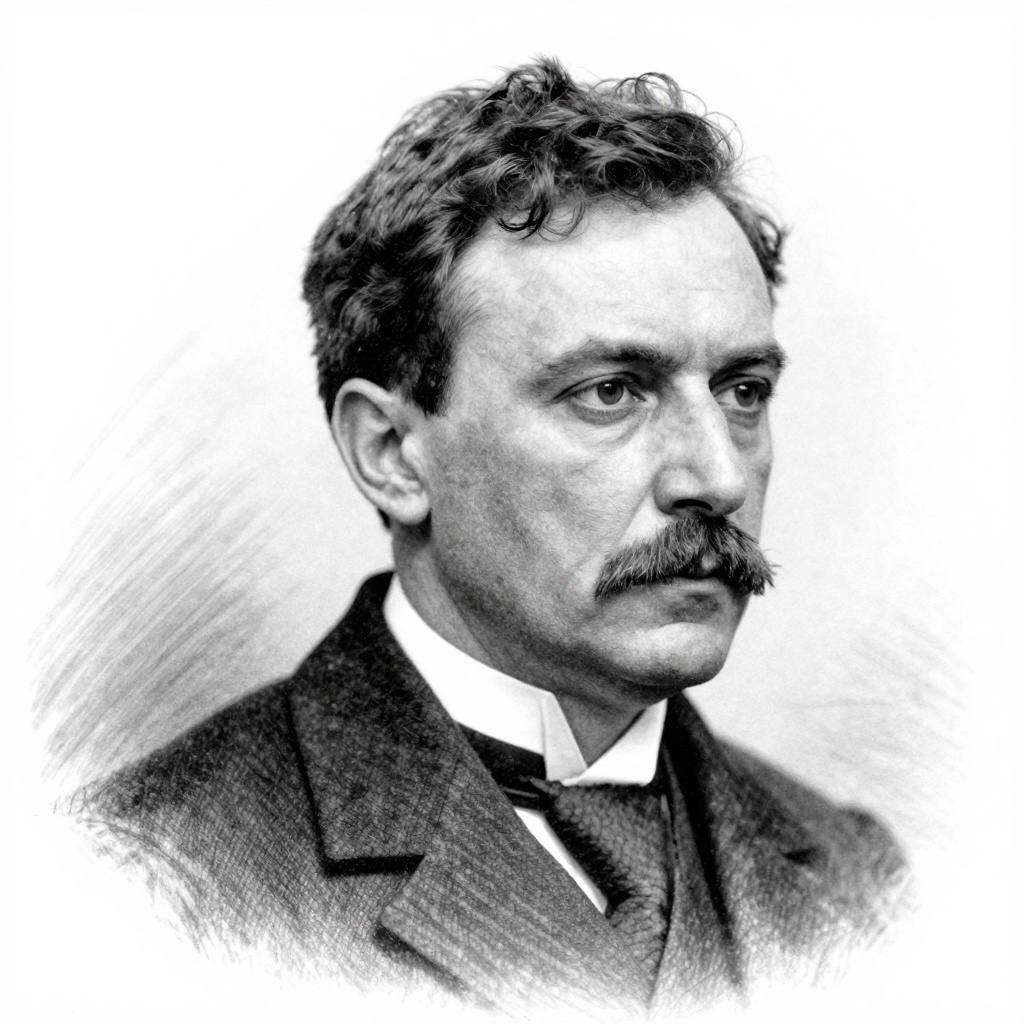
1867–1912·lived 45 years
Wilbur Wright was an American aviation pioneer best known for his role in developing the first successful powered aircraft, along with his brother Orville Wright. Born on April 16, 1867, he co-invented the Wright Flyer, which made its first controlled, sustained flight on December 17, 1903, in Kitty Hawk, North Carolina. The Wright brothers' innovative work laid the foundation for modern aeronautics and revolutionized transportation.
Comments