Such discussions help us very little to enjoy what has been well done in art or poetry, to discriminate betwee... — Walter Pater

Such discussions help us very little to enjoy what has been well done in art or poetry, to discriminate between what is more and what is less excellent in them, or to use words like beauty, excellence, art, poetry, with a more precise meaning than they would otherwise have.

Author: Walter Pater

Insight: We've all been in conversations where someone picks apart a painting or a song so thoroughly that it stops being enjoyable. The technical analysis takes over, and suddenly you're thinking about compositional theory instead of actually feeling moved by the work. Pater's point cuts against a certain kind of intellectual showing-off—the way we sometimes mistake detailed argument for genuine appreciation. What's tricky is that Pater isn't arguing against thinking deeply about art. He's arguing against the kind of thinking that substitutes abstract debate for direct experience. You can't philosophy your way into understanding why something is beautiful. You have to sit with it, let it affect you, notice what makes it different from lesser work. That discrimination—the actual ability to tell the difference between excellence and mediocrity—comes from attention and taste, not from winning an argument about what "beauty" means. The real challenge today is that we're more likely to discuss art online than to experience it. We explain and defend our tastes before we've fully trusted them. Pater reminds us that sometimes the most useful thing we can do is fall quiet, look longer, and let the work teach us what excellence actually feels like rather than what it should theoretically mean.

Talk Less, Feel More

Such discussions help us very little to enjoy what has been well done in art or poetry, to discriminate between what is more and what is less excellent in them, or to use words like beauty, excellence, art, poetry, with a more precise meaning than they would otherwise have.

We've all been in conversations where someone picks apart a painting or a song so thoroughly that it stops being enjoyable. The technical analysis takes over, and suddenly you're thinking about compositional theory instead of actually feeling moved by the work. Pater's point cuts against a certain kind of intellectual showing-off—the way we sometimes mistake detailed argument for genuine appreciation.

What's tricky is that Pater isn't arguing against thinking deeply about art. He's arguing against the kind of thinking that substitutes abstract debate for direct experience. You can't philosophy your way into understanding why something is beautiful. You have to sit with it, let it affect you, notice what makes it different from lesser work. That discrimination—the actual ability to tell the difference between excellence and mediocrity—comes from attention and taste, not from winning an argument about what "beauty" means.

The real challenge today is that we're more likely to discuss art online than to experience it. We explain and defend our tastes before we've fully trusted them. Pater reminds us that sometimes the most useful thing we can do is fall quiet, look longer, and let the work teach us what excellence actually feels like rather than what it should theoretically mean.

AI generated

Comments

Sign in to leave a comment or reply to one.

Sign in

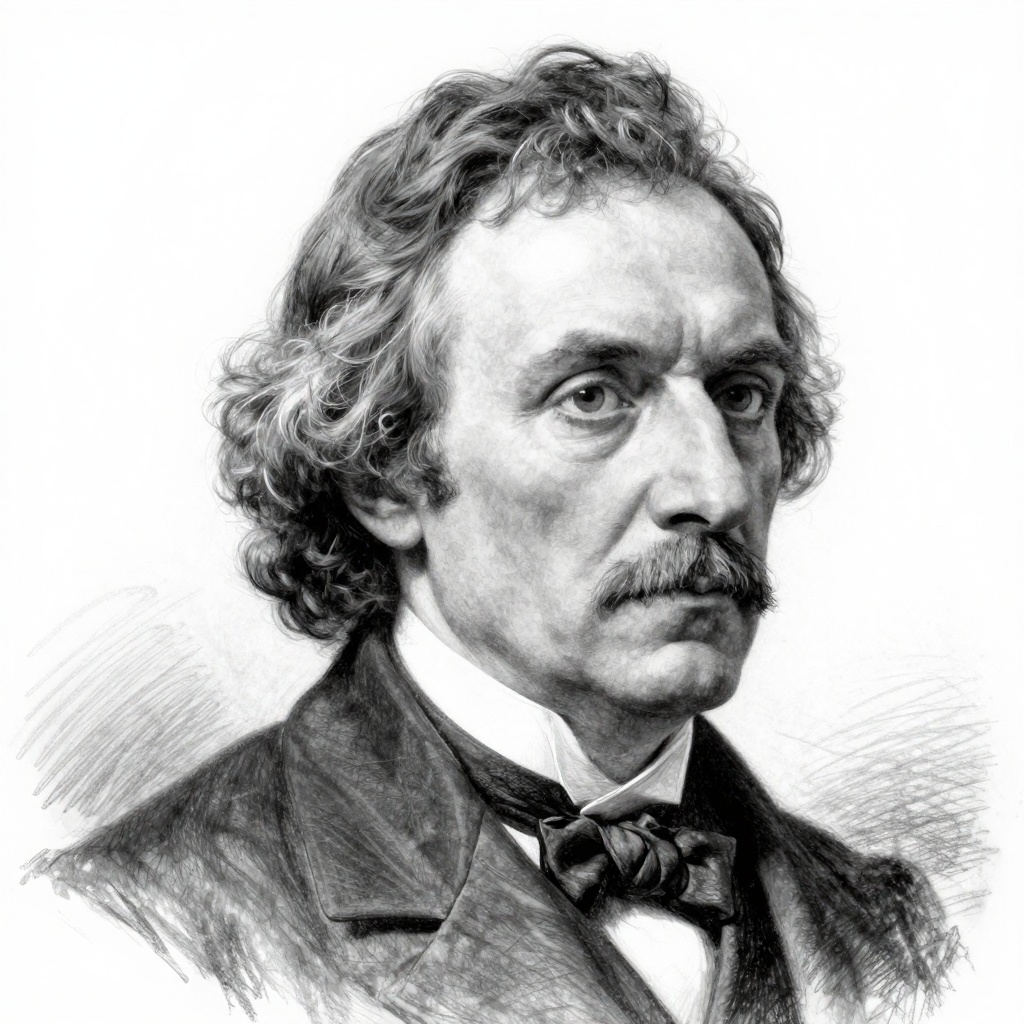
Walter Pater

Walter Pater was an English essayist, critic, and literary theorist born on August 4, 1839, in Shadwell, London. He is best known for his influential work in the field of aesthetics, particularly through his book "The Renaissance," which examined the relationship between art and beauty. Pater played a significant role in the development of the aesthetic movement, advocating for art for art's sake and emphasizing the importance of sensory experience in appreciating literature and art.

Graph

Related