Quote · Added 14 February 2026
Not the fruit of experience, but experience itself, is the end.
Walter PaterConclusion - The Renaissance, 1873
Filed underexperience·knowledge·purpose
Quote · Added 14 February 2026
Filed underexperience·knowledge·purpose
Most of us move through life collecting things—achievements, lessons, money, status—as if the real payoff comes at the finish line. We hustle through our twenties to secure our thirties, sacrifice our present for a better future that never quite arrives. But Pater is suggesting something quietly radical: that the experience itself, the actual living of it right now, is already the whole point. You don't need to extract meaning from the moment to justify having lived it.
This matters because it flips how we measure a good day, a good year, a good life. Instead of asking "What did I accomplish?" or "What did I learn that I can use later?", you might ask "What did I actually feel? What did I notice? What was it like to be alive just then?" The subtle shift is enormous. A conversation with a friend isn't valuable because you might need their advice someday—it's valuable because you're having it. A walk isn't exercise you're cramming in before "real life" resumes; it's the real life.
The non-obvious part: this isn't about being lazy or avoiding goals. It's about recognizing that the satisfaction you think is waiting at the destination is actually woven into every step you're taking. When you stop postponing presence, you realize you've been rich all along.
1839–1894·lived 54 years
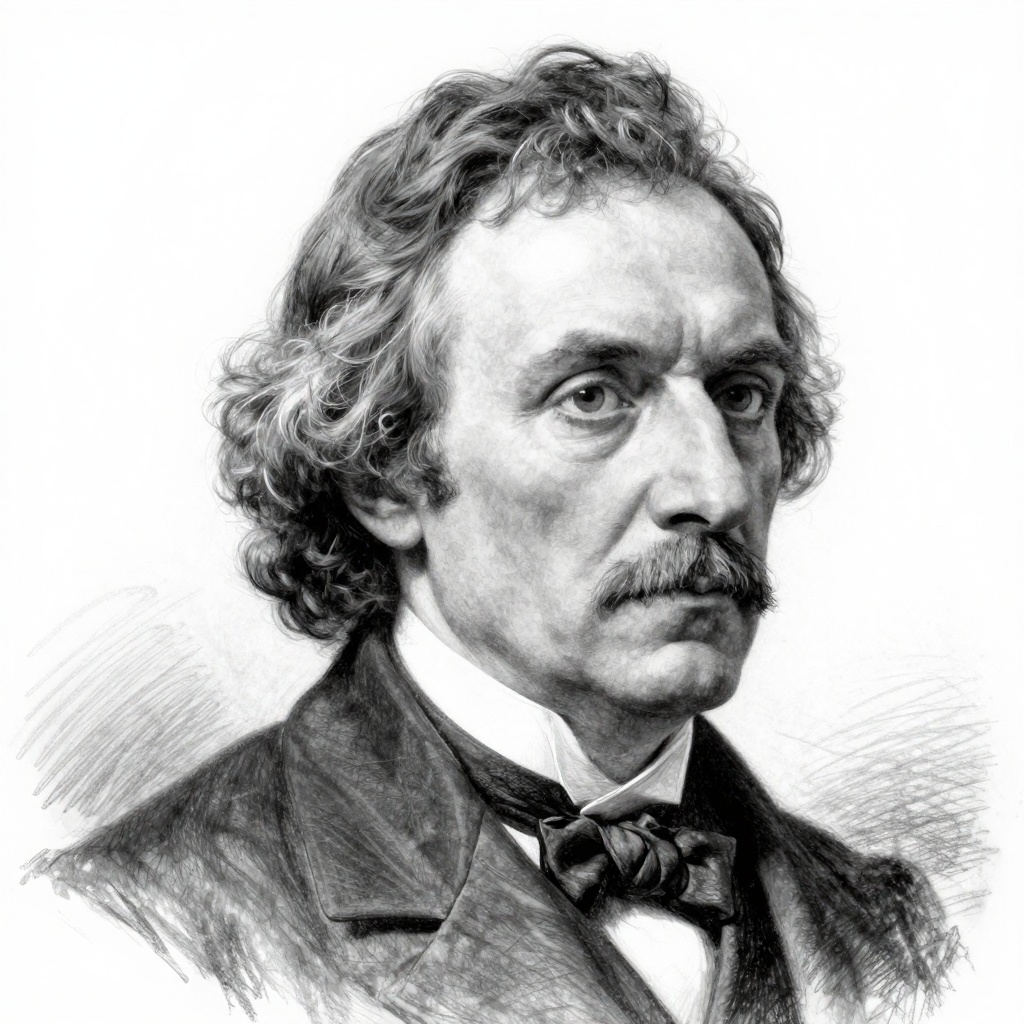
Walter Pater was an English essayist, critic, and literary theorist born on August 4, 1839, in Shadwell, London. He is best known for his influential work in the field of aesthetics, particularly through his book "The Renaissance," which examined the relationship between art and beauty. Pater played a significant role in the development of the aesthetic movement, advocating for art for art's sake and emphasizing the importance of sensory experience in appreciating literature and art.
Comments