Quote · Added 1 September 2023
Resist much, obey little.
Walt WhitmanLeaves of Grass, 1855
Filed underresistance·freedom·autonomy
Quote · Added 1 September 2023
Filed underresistance·freedom·autonomy
There's a quiet rebellion in these four words that feels especially relevant now, when we're drowning in obligations and rules that nobody really questioned before they became normal. Whitman isn't talking about anarchy or throwing tantrums—he's pointing at something most of us experience but rarely name: the creeping weight of automatic compliance. We follow dress codes, career paths, social scripts, and unwritten hierarchies not because we've decided they're right, but because they're there.
The real insight is in the gap between those two actions. Resistance doesn't mean constant confrontation; it means staying curious and skeptical about which rules actually deserve your energy. Obey little means choosing your yeses carefully, recognizing that every obligation you accept is time and attention you're taking from something that might matter more. It's the difference between reflexively saying yes to every meeting, expectation, or social obligation versus actually deciding what aligns with who you want to be.
This becomes especially important as we get older and more established. The cost of conformity compounds silently. One small obedience leads to another, and before you know it, you're living according to someone else's blueprint. Whitman's challenge is to stay awake—to keep asking whether you're resisting enough to remain yourself.
1819–1892·lived 72 years
Walt Whitman (1819–1892) was an American poet, essayist, and journalist known for his groundbreaking poetry collection "Leaves of Grass." He is regarded as one of the most significant American poets, celebrated for his innovative free verse style and his profound exploration of democracy, individualism, and the human experience.
Also by Walt Whitman
I believe a leaf of grass is no less than the journey-work of the stars.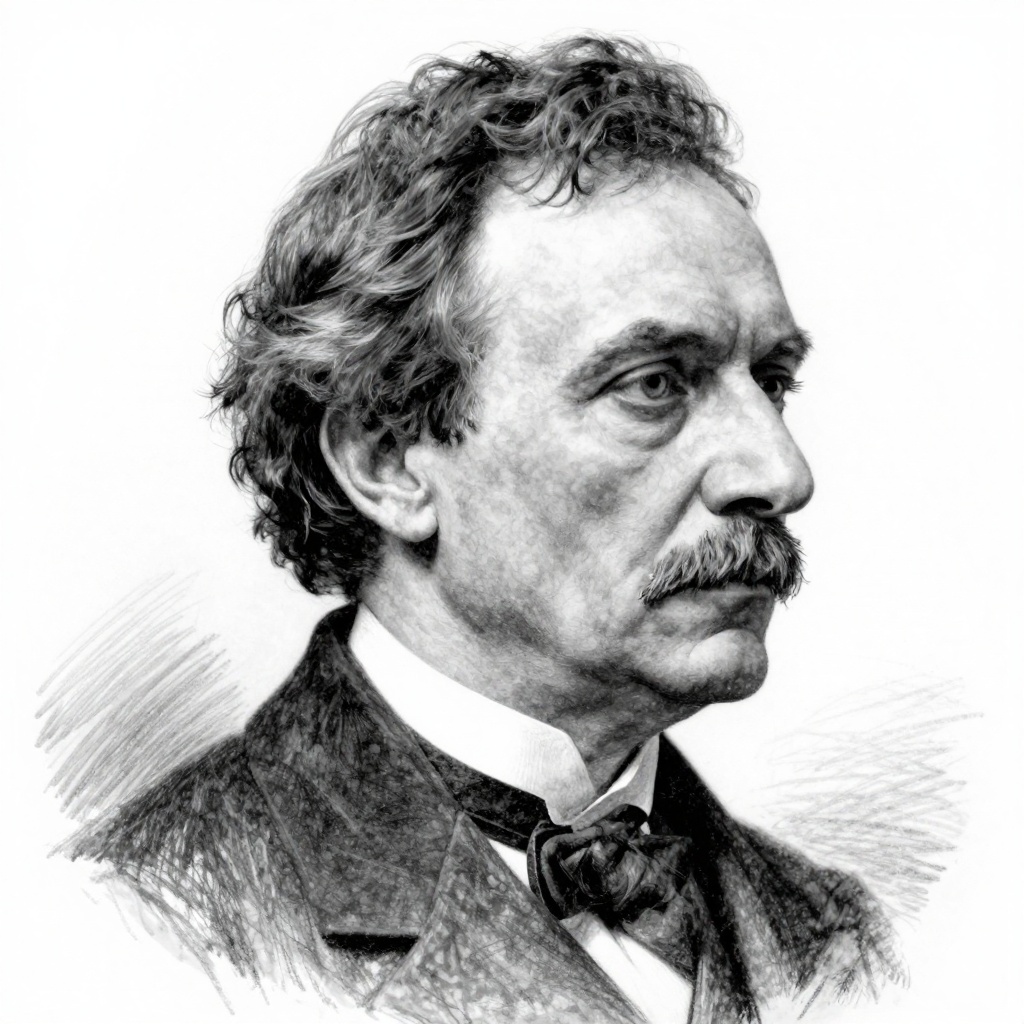
Comments