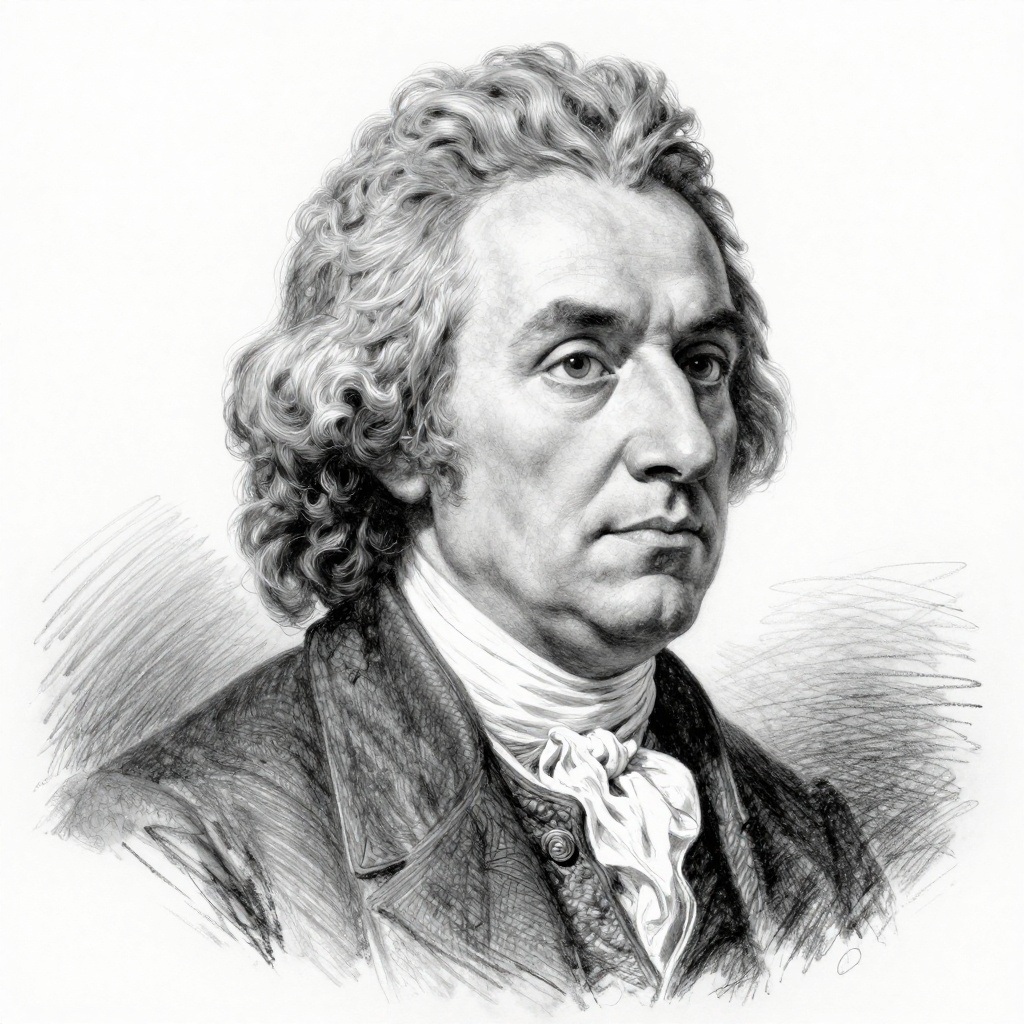
When men do not have healthy notions of the Divinity, false ideas supplant them, just as in bad times one uses... — Voltaire

When men do not have healthy notions of the Divinity, false ideas supplant them, just as in bad times one uses counterfeit money when there is no good money.

Author: Voltaire

Insight: We don't need to believe in God to see Voltaire's real point here: when people lack genuine answers to life's big questions, they'll grab whatever substitutes are available. And those substitutes can be surprisingly costly. Think about how this plays out in modern life. Someone feels lost or purposeless, so they chase influencer culture, conspiracy theories, self-help dogma, or obsessive status-climbing. A community loses faith in institutions, so they latch onto whatever narrative feels most emotionally satisfying, even if it's clearly counterfeit. The vacuum doesn't stay empty. It fills itself, often with something that looks compelling at first but leaves you more empty afterward. The unsettling part? You can't always tell counterfeit meaning from the real thing in the moment. It spends just like real money. The issue isn't that people are gullible—it's that the hunger for something to believe in, to organize your life around, is completely legitimate. The problem only emerges when you realize too late that what you were holding was never worth what you paid for it.

Source: Oeuvres complètes de Voltaire, Volume 45, p. 317, 1877

Counterfeit meaning spends just fine

When men do not have healthy notions of the Divinity, false ideas supplant them, just as in bad times one uses counterfeit money when there is no good money.

VoltaireOeuvres complètes de Voltaire, Volume 45, p. 317, 1877

We don't need to believe in God to see Voltaire's real point here: when people lack genuine answers to life's big questions, they'll grab whatever substitutes are available. And those substitutes can be surprisingly costly.

Think about how this plays out in modern life. Someone feels lost or purposeless, so they chase influencer culture, conspiracy theories, self-help dogma, or obsessive status-climbing. A community loses faith in institutions, so they latch onto whatever narrative feels most emotionally satisfying, even if it's clearly counterfeit. The vacuum doesn't stay empty. It fills itself, often with something that looks compelling at first but leaves you more empty afterward.

The unsettling part? You can't always tell counterfeit meaning from the real thing in the moment. It spends just like real money. The issue isn't that people are gullible—it's that the hunger for something to believe in, to organize your life around, is completely legitimate. The problem only emerges when you realize too late that what you were holding was never worth what you paid for it.

AI generated

Comments

Sign in to leave a comment or reply to one.

Sign in

Voltaire

Voltaire was an influential French philosopher, writer, and historian of the Enlightenment period. He is known for his wit, intelligence, and advocacy for freedom of speech, freedom of religion, and separation of church and state. Voltaire's works, including "Candide" and numerous essays, have had a lasting impact on literature and philosophy.

Graph

Related