Quote · Added 11 February 2026
We must cultivate our own garden. When man was put in the garden of Eden he was put there so that he should work, which proves that man was not born to rest.
VoltaireCandide, 1759
Quote · Added 11 February 2026
There's something almost rebellious about Voltaire invoking Eden to argue against idleness. Most people use that garden story to justify leisure or paradise-seeking, but he flips it: even in perfection, humans were given work to do. The point isn't that work is punishment—it's that purposeful effort is actually woven into how we're designed to live well.
This hits differently in our age of optimization culture and burnout. We swing between two extremes: grinding ourselves to dust, or fantasizing about escape and retirement. But Voltaire suggests something in between—that the problem isn't work itself, it's abandoning our own garden. He means the small sphere where we have real agency: our skills, our relationships, our immediate surroundings. The garden metaphor is intimate. You can't tend someone else's garden effectively, and waiting for the perfect conditions or the perfect job is just another form of procrastination.
The quiet challenge here is recognizing what your actual garden is, and then showing up to work it. Not because you're chasing status or proving something, but because that focused effort is how humans feel aligned with themselves. Rest matters too, but it means something only when there's something real you're resting from.
1694–1778·lived 83 years
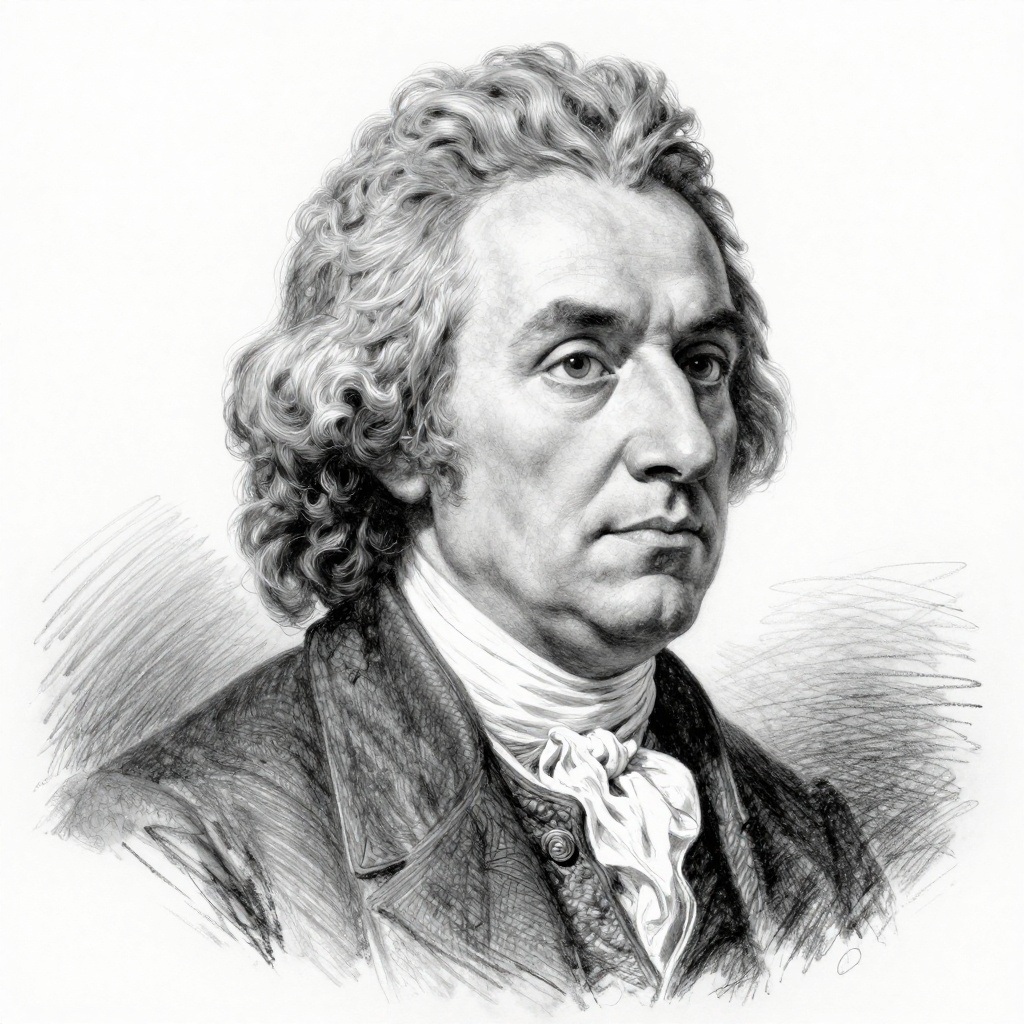
Voltaire was an influential French philosopher, writer, and historian of the Enlightenment period. He is known for his wit, intelligence, and advocacy for freedom of speech, freedom of religion, and separation of church and state. Voltaire's works, including "Candide" and numerous essays, have had a lasting impact on literature and philosophy.
Comments