Quote · Added 14 February 2026
Think for yourselves and let others enjoy the privilege to do so, too.
VoltaireDictionnaire philosophique portatif, Tolerance, 1764
Filed underthinking·freedom·individuality
Quote · Added 14 February 2026
Filed underthinking·freedom·individuality
There's something quietly radical about this. We live in an age where everyone's fighting to be heard, yet few are actually willing to let anyone else think differently. We're drowning in opinions—our own certainties broadcast endlessly—while treating disagreement like a personal attack that demands a counterattack.
But Voltaire's advice cuts both ways, and that's where it gets interesting. It's not just permission to think independently; it's also permission to stop trying to convince everyone else that you're right. The second half—letting others enjoy the privilege—might actually be harder than the first. It means sitting with someone who believes something you find baffling and choosing not to "fix" them. It means your teenager can draw different conclusions than you. Your friend can vote differently. Your colleague can find meaning in something you find pointless.
The privilege Voltaire mentions isn't fancy or rare. It's just the basic human right to work through the world using your own mind. When you guard that for yourself while denying it to others, you're not protecting your thinking—you're just being ordinary. The actual courage is letting both things exist at once.
1694–1778·lived 83 years
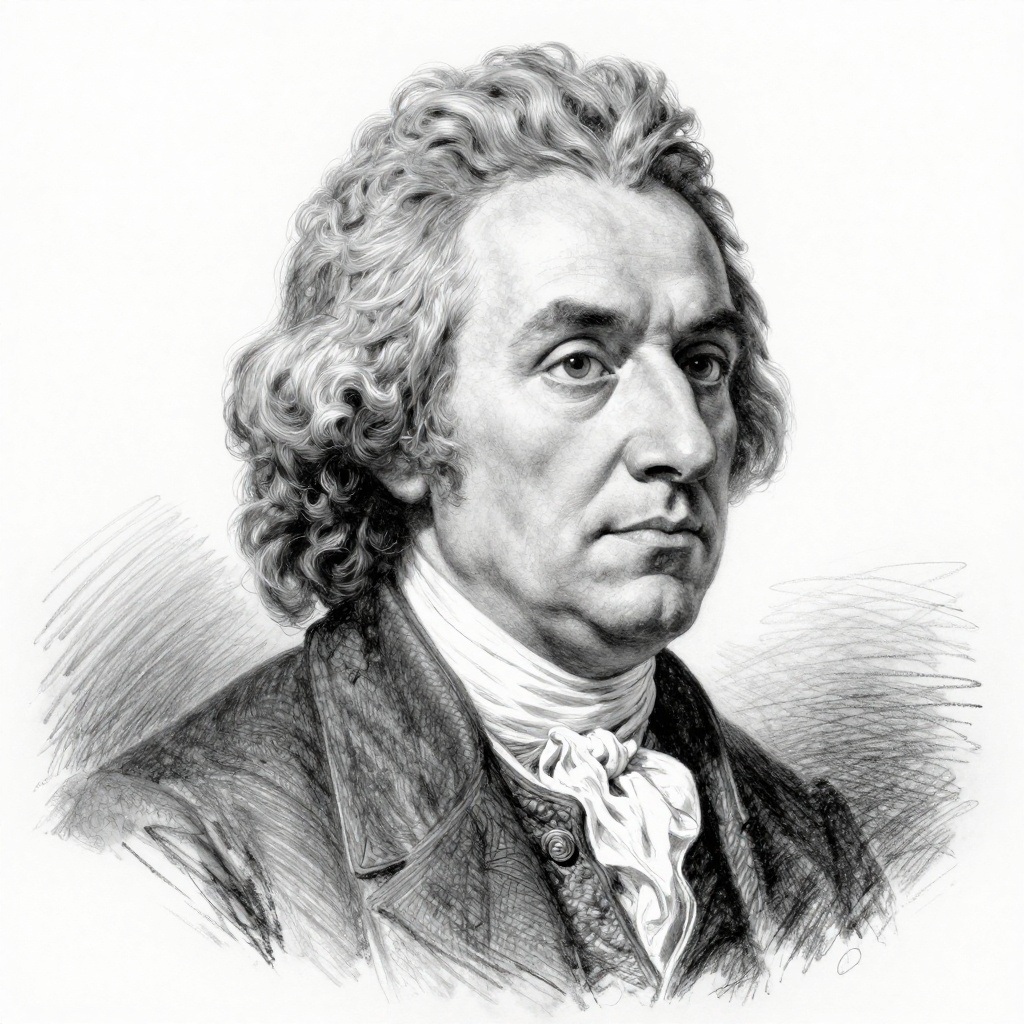
Voltaire was an influential French philosopher, writer, and historian of the Enlightenment period. He is known for his wit, intelligence, and advocacy for freedom of speech, freedom of religion, and separation of church and state. Voltaire's works, including "Candide" and numerous essays, have had a lasting impact on literature and philosophy.
Comments