Quote · Added 14 February 2026
The Holy Roman Empire is neither Holy, nor Roman, nor an Empire.
VoltaireThe Holy Roman Empire, 1756
Quote · Added 14 February 2026
Voltaire's dig at the Holy Roman Empire works because it cuts through pretense—something we still encounter everywhere. We're surrounded by things that don't quite live up to their own names: companies calling themselves "ethical" while cutting corners, relationships labeled "serious" that feel casual, or institutions claiming to serve the public while serving themselves first. The gap between what something claims to be and what it actually is, is where most real frustration lives.
What makes this observation stick is that it's not just mean-spirited—it's precise. Voltaire isn't just complaining; he's identifying a specific kind of failure: not delivering on any of your core promises. The Empire wasn't actually powerful, it wasn't actually Roman, and its holiness was questionable at best. That's a total brand collapse. In our own time, we're quicker to spot these kinds of mismatches, maybe because we're drowning in marketing that oversells everything. When something genuinely delivers on even some of what it promises, we notice.
The subtly radical part is that Voltaire assumes we should expect these things to actually be what they claim. That's worth holding onto—not as cynicism, but as a basic standard.
1694–1778·lived 83 years
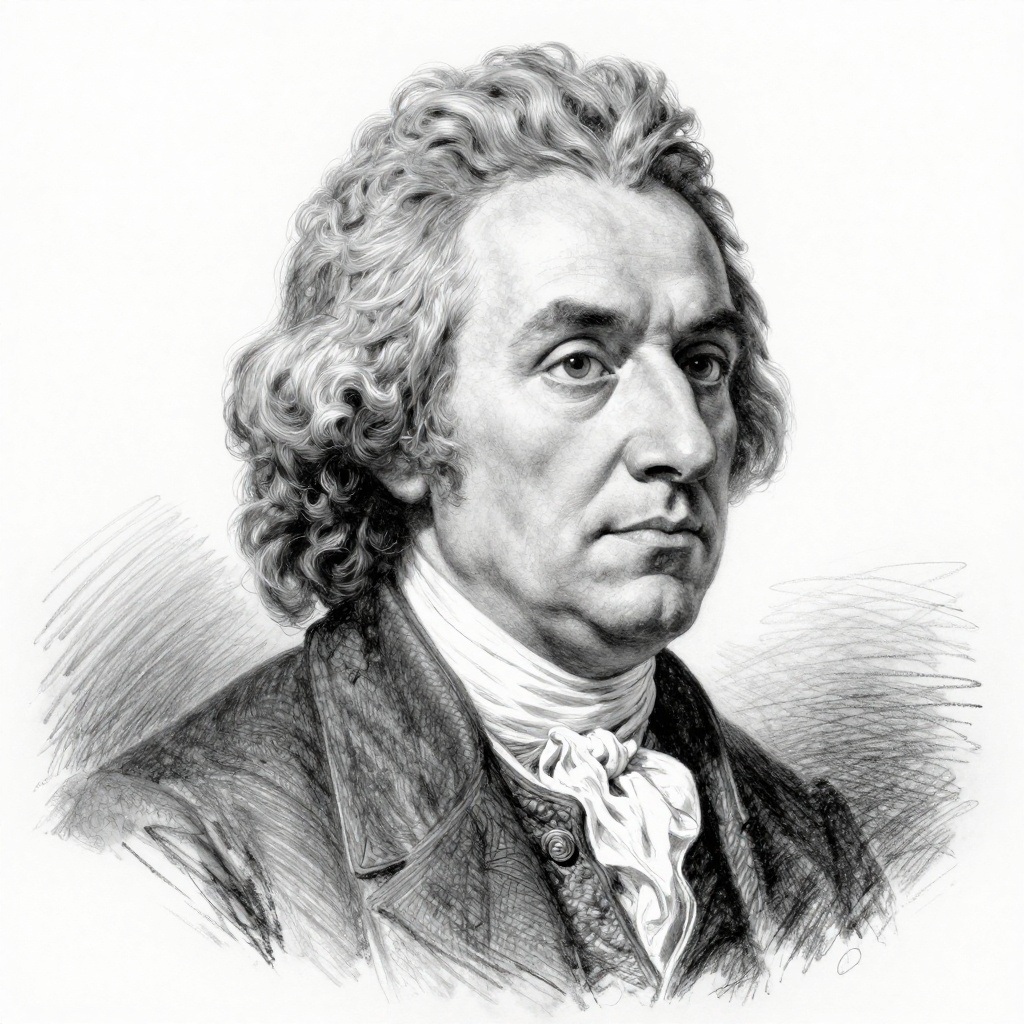
Voltaire was an influential French philosopher, writer, and historian of the Enlightenment period. He is known for his wit, intelligence, and advocacy for freedom of speech, freedom of religion, and separation of church and state. Voltaire's works, including "Candide" and numerous essays, have had a lasting impact on literature and philosophy.
Comments