Quote · Added 14 February 2026
The ear is the avenue to the heart.
VoltaireRéponse au Roi de Prusse
Filed underear·heart·connection
Quote · Added 14 February 2026
Filed underear·heart·connection
We're living in an age of constant information, yet we've never been worse at actually listening to each other. We scroll through messages, half-listen during conversations, and mistake hearing words for genuine connection. But Voltaire's observation cuts deeper than just politeness—he's suggesting that the way someone listens to us is how they show care. When someone truly hears you, not just waits for their turn to speak, you feel seen. That's the avenue to your heart opening.
This matters because listening has become the rarest form of attention we can offer. In relationships, work, even casual friendships, the person who actually listens—who remembers what you said last week, who doesn't interrupt, who sits with your uncertainty instead of rushing to fix it—that person gets access to something real. We lower our guard around them. There's something almost intimate about being truly heard; it's harder to maintain walls when someone is genuinely paying attention.
The twist is that this goes both ways. When you learn to listen like this, you're not just being nice—you're also giving yourself permission to care less about how you're perceived in the moment. You stop performing and start connecting. The ear, in this sense, isn't just a body part. It's a choice to prioritize understanding over being understood.
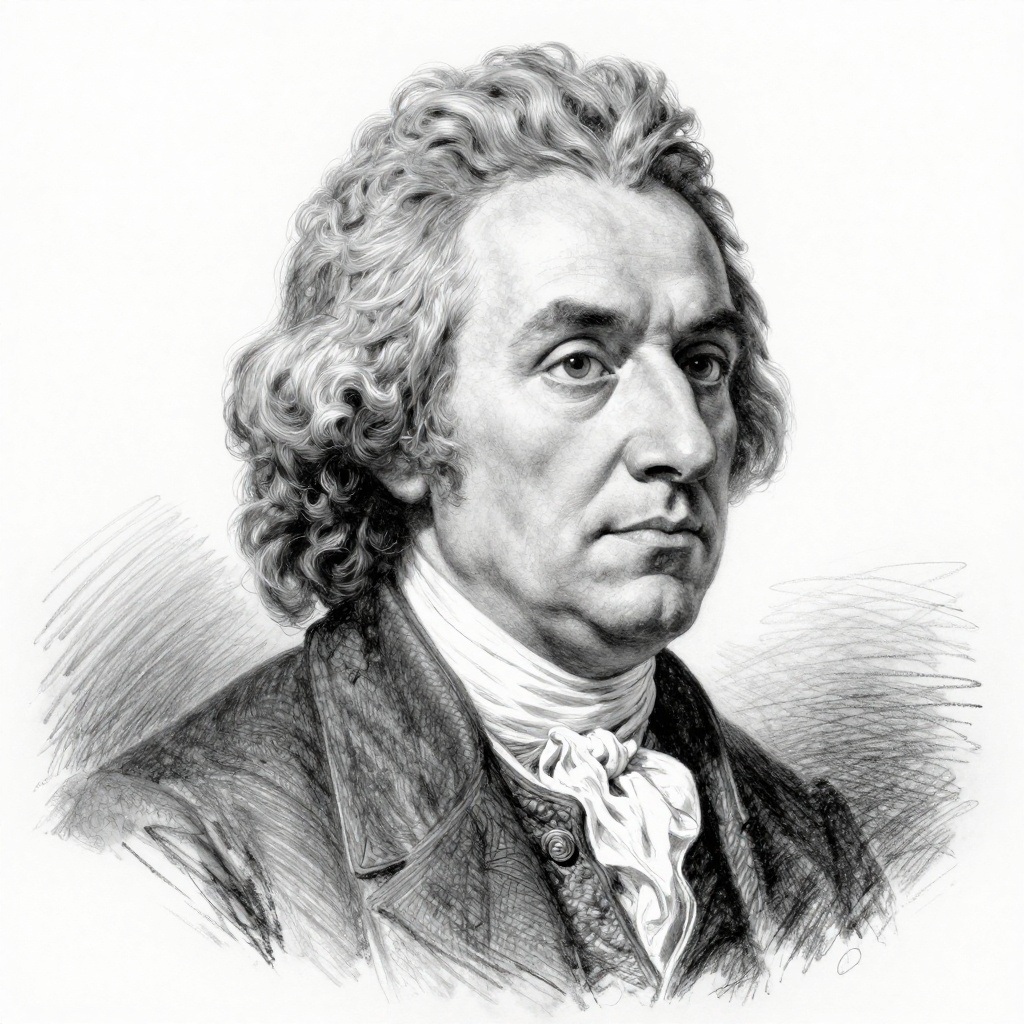
1694–1778·lived 83 years
Voltaire was an influential French philosopher, writer, and historian of the Enlightenment period. He is known for his wit, intelligence, and advocacy for freedom of speech, freedom of religion, and separation of church and state. Voltaire's works, including "Candide" and numerous essays, have had a lasting impact on literature and philosophy.
Comments