Quote · Added 14 February 2026
The art of medicine consists in amusing the patient while nature cures the disease.
VoltaireDictionnaire philosophique, 1764
Quote · Added 14 February 2026
We tend to think medicine works through pure chemistry and precision—a pill targets a receptor, an operation fixes a structural problem, done. But Voltaire's observation hints at something modern medicine has quietly started measuring again: the patient's mindset actually matters. When you feel heard and hopeful in a doctor's office, your body responds differently than when you feel rushed or dismissed. That "amusement" he mentions isn't frivolous entertainment. It's the relief of attention, the settling of anxiety, the small dignity of being treated like a thinking person rather than a broken machine to fix.
This becomes obvious if you've ever felt a headache dissolve the moment someone took it seriously, or noticed how your immune system seems to tank during weeks of pure stress. We're not separate from our biology—we're woven through it. A good doctor knows this. They spend time with you not just to gather information, but because presence itself is therapeutic. The diagnosis might be the same either way, but how you recover, how you actually follow through on treatment, how you experience the healing—that changes entirely when someone made you feel like your experience mattered. Nature does the heavy lifting, but our state of mind gets to ride along.
1694–1778·lived 83 years
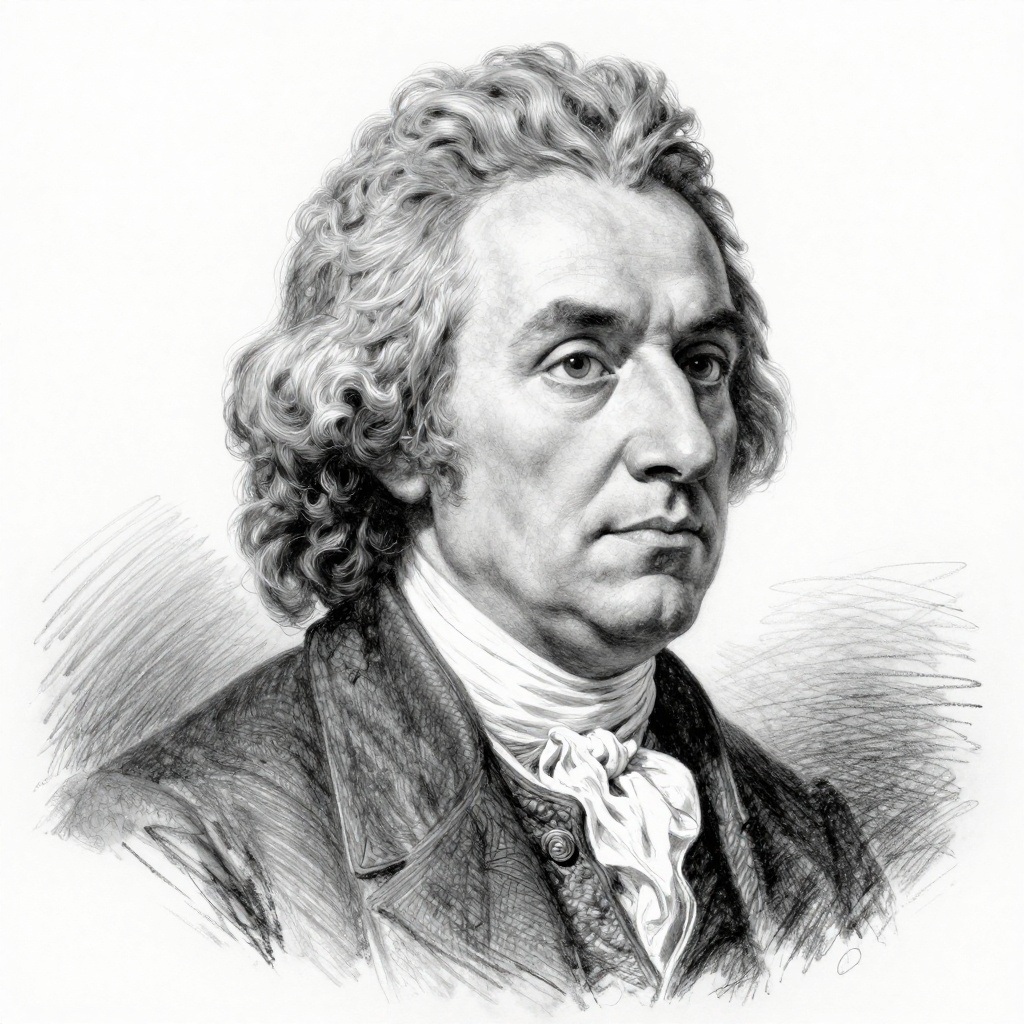
Voltaire was an influential French philosopher, writer, and historian of the Enlightenment period. He is known for his wit, intelligence, and advocacy for freedom of speech, freedom of religion, and separation of church and state. Voltaire's works, including "Candide" and numerous essays, have had a lasting impact on literature and philosophy.
Comments