Superstition is to religion what astrology is to astronomy the mad daughter of a wise mother. These daughters... — Voltaire

Superstition is to religion what astrology is to astronomy the mad daughter of a wise mother. These daughters have too long dominated the earth.

Author: Voltaire

Insight: We usually think of superstition as obviously silly—lucky socks, avoiding black cats, reading horoscopes. But Voltaire's comparison reveals something more interesting: superstition isn't the opposite of religion or science, it's the distorted version. It's what happens when genuine human needs—for meaning, for comfort, for understanding the world—get twisted into something unexamined and controlling. The weird part is how superstition thrives in modern life precisely because we're more rational than ever. Someone might dismiss astrology while obsessively checking their phone at specific times, or mock tarot cards while making major decisions based on a gut feeling they can't articulate. We haven't outgrown magical thinking; we've just hidden it better, dressed it up in new clothes. The impulse to find patterns and control uncertainty never leaves us—it just migrates. Voltaire's "mad daughter of a wise mother" captures something crucial: superstition isn't born from stupidity but from the same human longing that creates real wisdom. The difference is whether we examine our beliefs or simply surrender to them. The daughters have dominated because they're easier than the harder work of actually thinking, of sitting with uncertainty, of building faith or understanding that can withstand questions.

Source: A Philosophical Dictionary, 1764

When wisdom gets distorted

Superstition is to religion what astrology is to astronomy the mad daughter of a wise mother. These daughters have too long dominated the earth.

VoltaireA Philosophical Dictionary, 1764

We usually think of superstition as obviously silly—lucky socks, avoiding black cats, reading horoscopes. But Voltaire's comparison reveals something more interesting: superstition isn't the opposite of religion or science, it's the distorted version. It's what happens when genuine human needs—for meaning, for comfort, for understanding the world—get twisted into something unexamined and controlling.

The weird part is how superstition thrives in modern life precisely because we're more rational than ever. Someone might dismiss astrology while obsessively checking their phone at specific times, or mock tarot cards while making major decisions based on a gut feeling they can't articulate. We haven't outgrown magical thinking; we've just hidden it better, dressed it up in new clothes. The impulse to find patterns and control uncertainty never leaves us—it just migrates.

Voltaire's "mad daughter of a wise mother" captures something crucial: superstition isn't born from stupidity but from the same human longing that creates real wisdom. The difference is whether we examine our beliefs or simply surrender to them. The daughters have dominated because they're easier than the harder work of actually thinking, of sitting with uncertainty, of building faith or understanding that can withstand questions.

AI generated

Comments

Sign in to leave a comment or reply to one.

Sign in

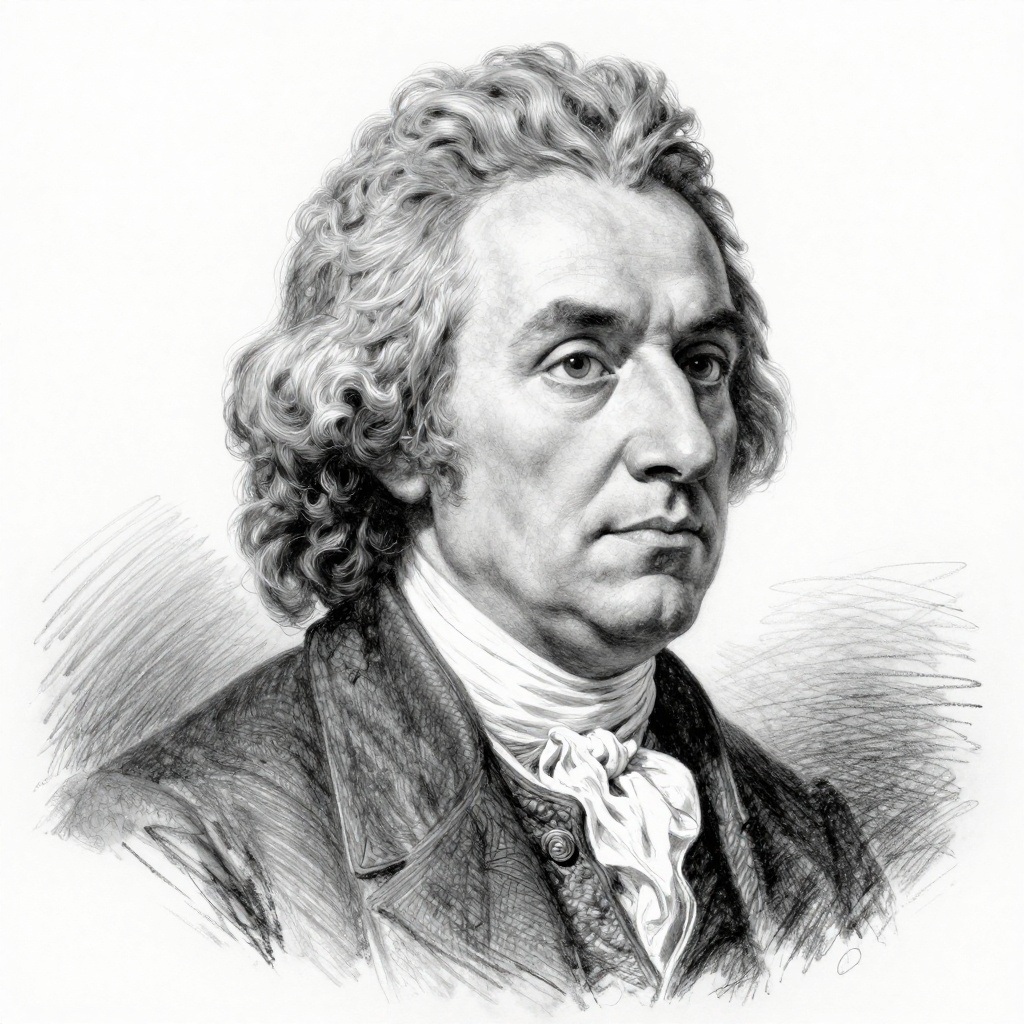
Voltaire

Voltaire was an influential French philosopher, writer, and historian of the Enlightenment period. He is known for his wit, intelligence, and advocacy for freedom of speech, freedom of religion, and separation of church and state. Voltaire's works, including "Candide" and numerous essays, have had a lasting impact on literature and philosophy.

Graph

Related