Quote · Added 14 February 2026
Paradise was made for tender hearts; hell, for loveless hearts.
VoltairePhilosophical Dictionary, 1764
Quote · Added 14 February 2026
We often think of heaven and hell as places you earn through grand moral victories or catastrophic failures. But this quote suggests something quieter and more unsettling: your destination might already be decided by how you treat people in the everyday moments that don't seem to matter. A tender heart—one that notices suffering, that stays soft enough to be moved by others—creates its own kind of paradise right here. Not because the person becomes perfect, but because tenderness connects us to something larger than our own comfort.
The darker side is harder to accept. A loveless heart doesn't need fire and demons; it builds its own hell through isolation. Someone can be successful, intelligent, and entirely without warmth—and that emotional numbness becomes its own punishment. They might have everything externally but experience nothing internally. This matters today because we're living in a time that often rewards the loveless heart: ambition without compassion, winning without connection, being right without being kind. It's easy to mistake that strategy for strength.
The real insight is that Voltaire isn't talking about judgment from above—he's describing what these two states of heart naturally create. Tenderness opens you to joy and belonging. Lovelessness closes you off from it, regardless of what you've achieved.
1694–1778·lived 83 years
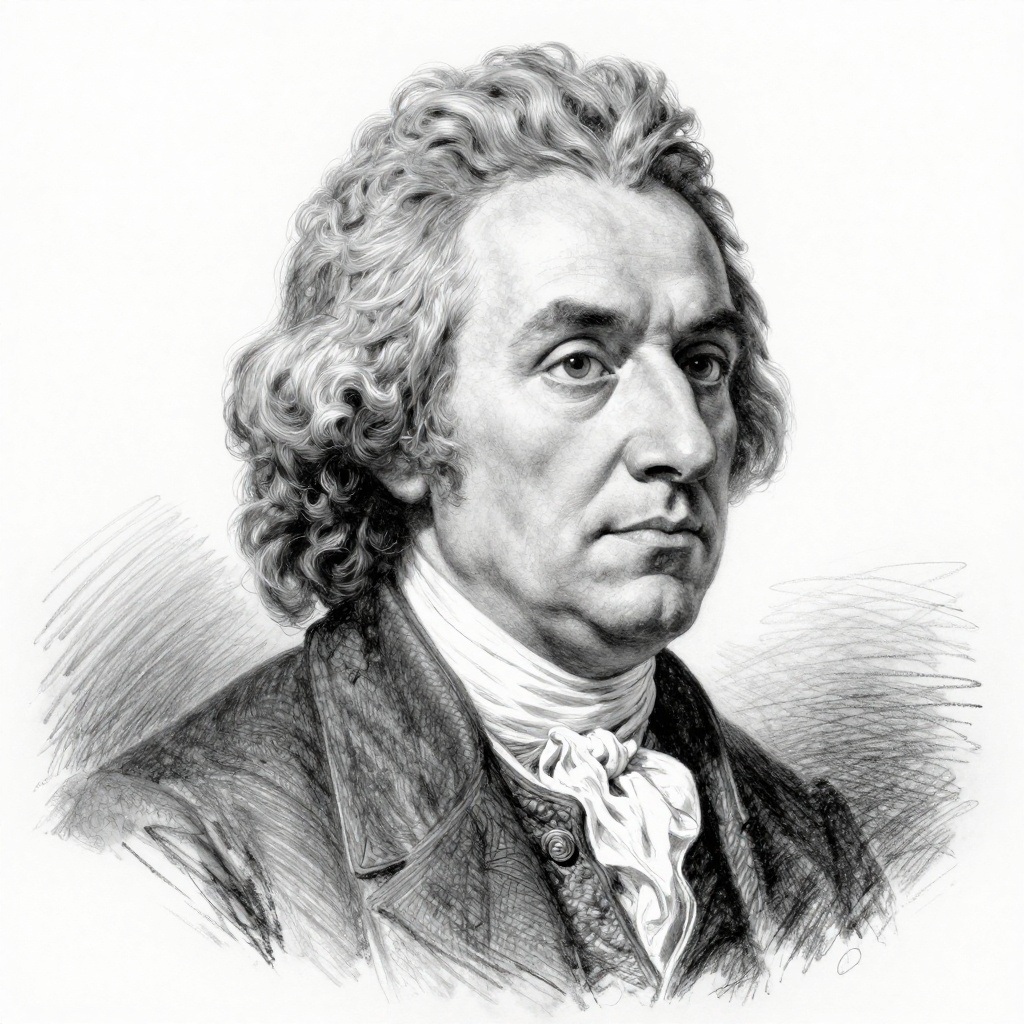
Voltaire was an influential French philosopher, writer, and historian of the Enlightenment period. He is known for his wit, intelligence, and advocacy for freedom of speech, freedom of religion, and separation of church and state. Voltaire's works, including "Candide" and numerous essays, have had a lasting impact on literature and philosophy.
Comments