Quote · Added 14 February 2026
Optimism is the madness of insisting that all is well when we are miserable.
VoltaireCandide, p. 45, 1759
Quote · Added 14 February 2026
There's a real temptation to call optimism a virtue when actually, as Voltaire points out, it can be a kind of blindness. We've all met someone—maybe we've been that person—who responds to genuine suffering with platitudes. "Everything happens for a reason." "At least it's not worse." "Just stay positive." It can feel less like encouragement and more like being told your pain doesn't quite matter.
But here's where it gets interesting: Voltaire isn't arguing for pessimism. He's distinguishing between two very different things. One is the denial of reality, the insistence that everything is fine when it clearly isn't. The other is the hard work of building something better despite what's broken. Real hope acknowledges that yes, things are difficult right now, and then asks what we can actually do about it. It's grounded in the world as it is, not as we wish it were.
The practical difference shows up everywhere. In relationships, at work, in health decisions. Pretending problems don't exist usually makes them worse. But moving through difficulty with clear eyes and some stubborn determination—that's something worth believing in. That's not madness. That's just refusing to be defeated by what's actually true.
1694–1778·lived 83 years
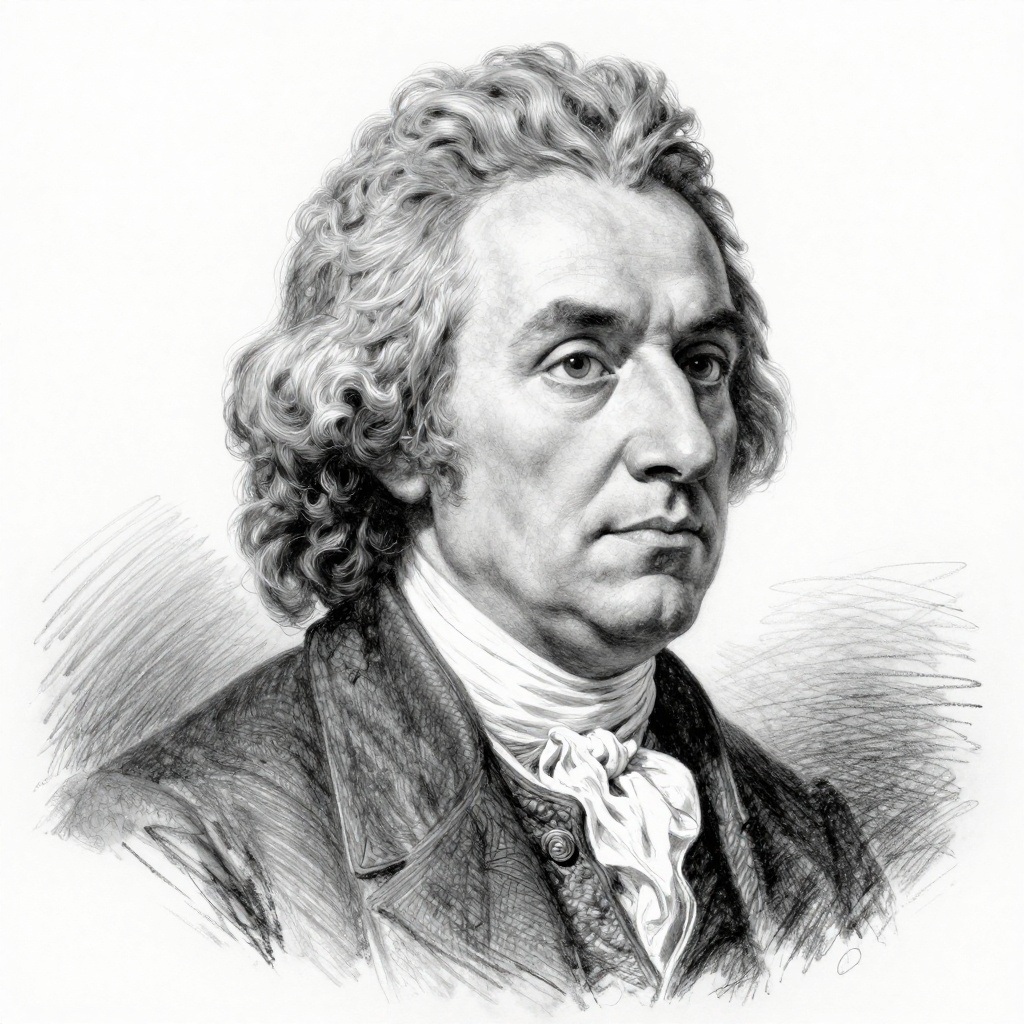
Voltaire was an influential French philosopher, writer, and historian of the Enlightenment period. He is known for his wit, intelligence, and advocacy for freedom of speech, freedom of religion, and separation of church and state. Voltaire's works, including "Candide" and numerous essays, have had a lasting impact on literature and philosophy.
Comments