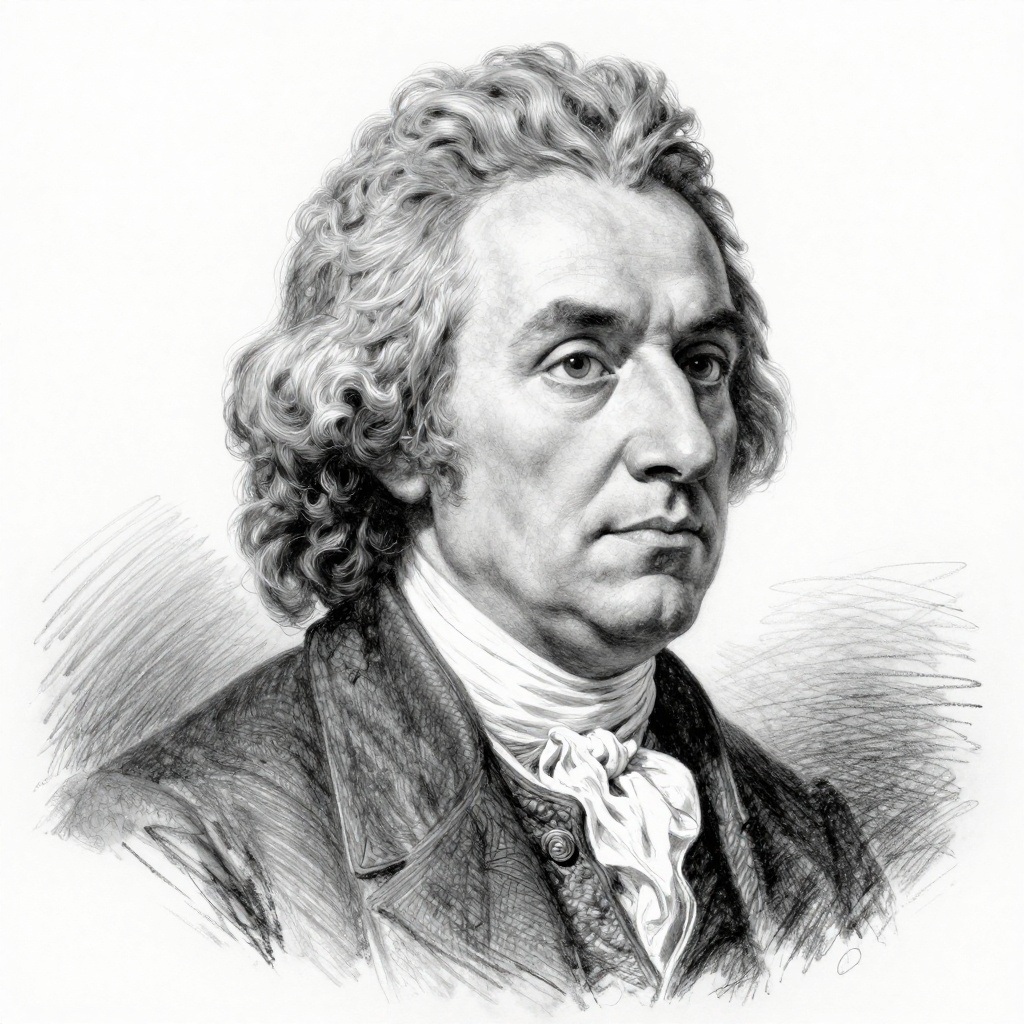
Of all religions, the Christian should of course inspire the most tolerance, but until now Christians have bee... — Voltaire

Of all religions, the Christian should of course inspire the most tolerance, but until now Christians have been the most intolerant of all men.

Author: Voltaire

Insight: This observation cuts both ways, and it's probably why Voltaire's words still sting. Christianity's central message—love your enemy, forgive seventy times seven, don't judge—should theoretically make believers the gentlest people around. Yet history is packed with crusades, inquisitions, and everyday cruelty committed by people clutching crosses. The gap between the ideal and the reality creates a special kind of hypocrisy that's hard to ignore. What's interesting is that this tension doesn't really prove Christianity failed so much as it reveals something about human nature. We all do this: we hold beautiful ideals we can't quite live up to, then get defensive when someone points it out. A Christian fighting injustice but also nursing resentment. A pacifist who gets angry in traffic. The higher your stated principles, the more obvious your failures become. That's actually why Voltaire's critique matters less as a slam against Christianity specifically and more as a reminder that believing something good doesn't automatically make us good—we have to keep choosing it, even when it's hard, even when we fail.

Source: Treatise on Tolerance, 1763

The gap between belief and behavior

Of all religions, the Christian should of course inspire the most tolerance, but until now Christians have been the most intolerant of all men.

VoltaireTreatise on Tolerance, 1763

This observation cuts both ways, and it's probably why Voltaire's words still sting. Christianity's central message—love your enemy, forgive seventy times seven, don't judge—should theoretically make believers the gentlest people around. Yet history is packed with crusades, inquisitions, and everyday cruelty committed by people clutching crosses. The gap between the ideal and the reality creates a special kind of hypocrisy that's hard to ignore.

What's interesting is that this tension doesn't really prove Christianity failed so much as it reveals something about human nature. We all do this: we hold beautiful ideals we can't quite live up to, then get defensive when someone points it out. A Christian fighting injustice but also nursing resentment. A pacifist who gets angry in traffic. The higher your stated principles, the more obvious your failures become. That's actually why Voltaire's critique matters less as a slam against Christianity specifically and more as a reminder that believing something good doesn't automatically make us good—we have to keep choosing it, even when it's hard, even when we fail.

AI generated

Comments

Sign in to leave a comment or reply to one.

Sign in

Voltaire

Voltaire was an influential French philosopher, writer, and historian of the Enlightenment period. He is known for his wit, intelligence, and advocacy for freedom of speech, freedom of religion, and separation of church and state. Voltaire's works, including "Candide" and numerous essays, have had a lasting impact on literature and philosophy.

Graph

Related