Quote · Added 27 February 2026
Love truth, but pardon error.
Filed undertruth·forgiveness·love
Quote · Added 27 February 2026
Filed undertruth·forgiveness·love
We live in a time of unprecedented certainty. People stake their identities on being right—about politics, parenting, health, you name it. The problem is that certainty makes us brittle. When someone disagrees, we don't hear a different perspective; we hear an attack. We respond defensively, doubling down instead of actually listening.
Voltaire's advice cuts through this. He's not saying truth doesn't matter—he's saying it matters enough that we shouldn't wreck relationships pursuing it. The gap between these two ideas is where most real wisdom lives. You can hold your convictions firmly while acknowledging that the person across from you isn't stupid or malicious for seeing things differently. They're just working with different information, different experiences, different fears. That's not a reason to abandon your truth; it's a reason to deliver it gently.
The tricky part is that pardoning error requires genuine humility. It means accepting that you've been wrong before and probably will be again. Not in a performative way, but in your bones. When you really believe that, you stop needing other people to be wrong to feel okay about yourself. Suddenly there's room to actually talk, to learn, to change your mind without it feeling like defeat.
1694–1778·lived 83 years
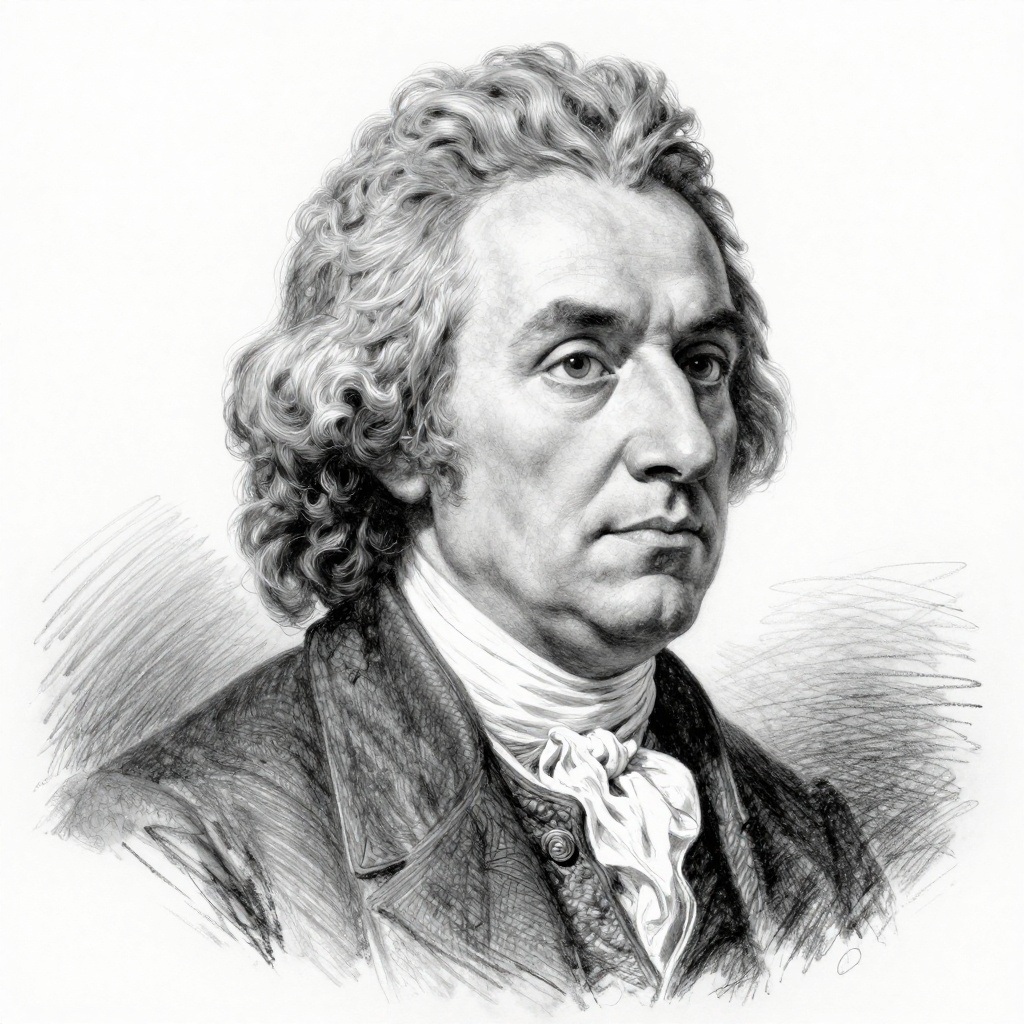
Voltaire was an influential French philosopher, writer, and historian of the Enlightenment period. He is known for his wit, intelligence, and advocacy for freedom of speech, freedom of religion, and separation of church and state. Voltaire's works, including "Candide" and numerous essays, have had a lasting impact on literature and philosophy.
Comments