Quote · Added 14 February 2026
It is vain for the coward to flee; death follows close behind; it is only by defying it that the brave escape.
VoltairePhilosophical Dictionary, 1764
Quote · Added 14 February 2026
We usually think of bravery as charging toward danger, but Voltaire's point is subtler and more useful than that. He's saying that running from what scares us—whether it's a difficult conversation, a health problem, or a risky decision—doesn't actually protect us. The thing we're avoiding just keeps pace, growing larger in our minds, draining our energy even as we try to distance ourselves from it. The coward spends so much effort fleeing that fear becomes the defining force of their life.
The brave person, by contrast, turns around and faces the thing head-on. Not recklessly, but deliberately. And something unexpected happens: once you stop running, the thing often shrinks. You realize it's not as catastrophic as you'd imagined. You find you're capable of handling it. The escape Voltaire describes isn't about avoiding consequences—it's about freedom from the exhaustion of constant avoidance.
This plays out in small ways constantly. The email you dread sending, the conversation about money with your partner, the medical test you've been putting off. Each day you avoid it, anxiety compounds. But the moment you act, something shifts. You're no longer at its mercy. That's when you actually escape.
1694–1778·lived 83 years
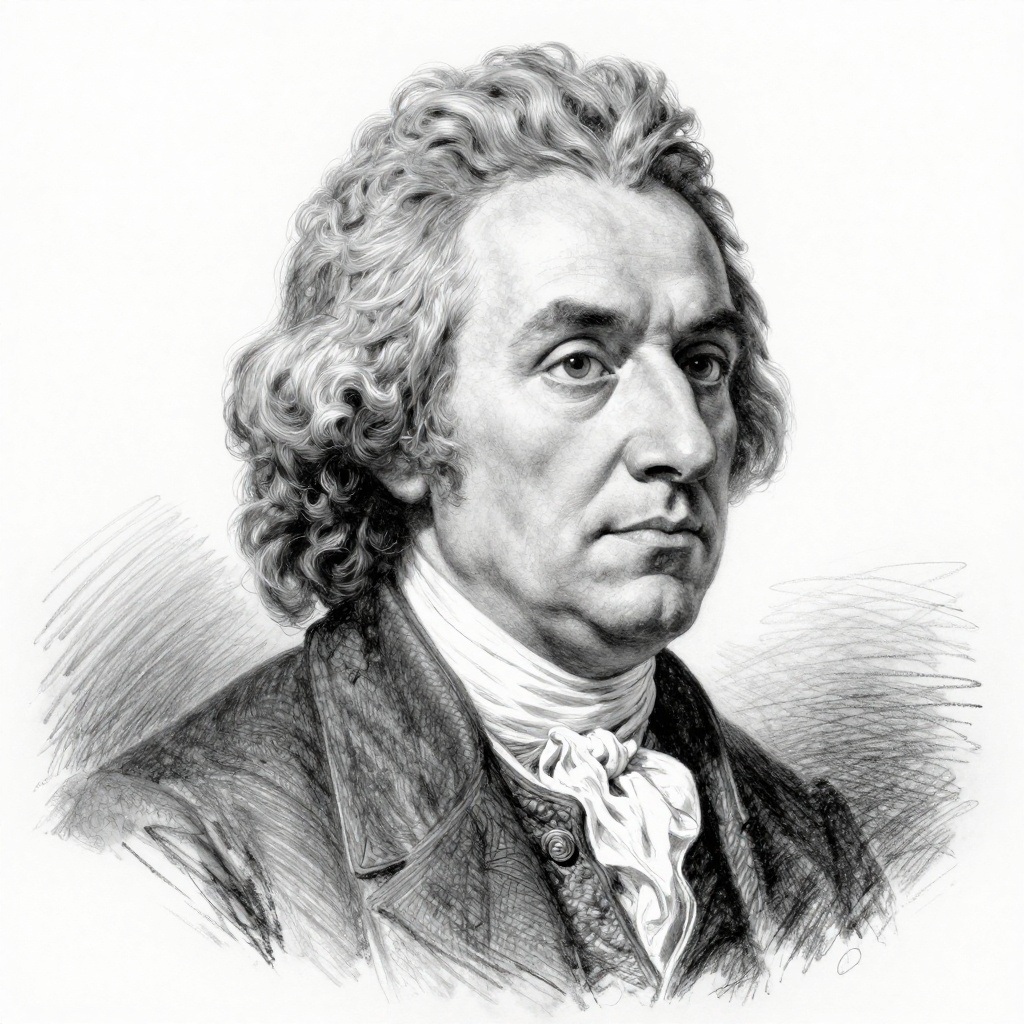
Voltaire was an influential French philosopher, writer, and historian of the Enlightenment period. He is known for his wit, intelligence, and advocacy for freedom of speech, freedom of religion, and separation of church and state. Voltaire's works, including "Candide" and numerous essays, have had a lasting impact on literature and philosophy.
Comments