Quote · Added 10 February 2026
It is difficult to free fools from the chains they revere.
VoltaireLe dîner du comte de Boulainvilliers, Troisième Entretien, 1767
Quote · Added 10 February 2026
There's something almost heartbreaking about this observation because it points to a paradox most of us bump up against eventually. You can present someone with undeniable facts, offer a clearer path, show them how their belief is hurting them—and they'll cling tighter to what's familiar. Not out of stupidity, but because those chains have become part of their identity. They've organized their entire worldview around them. Questioning the chains means questioning everything.
What makes this quote sting is recognizing it in ourselves too. We all have beliefs we defend even when we sense they're limiting us—about what we're capable of, what we deserve, how relationships should work. They're comfortable chains. They explain why things are hard. They let us off the hook. The irony Voltaire's pointing at isn't just about other people's stubbornness; it's about how easily we all become our own jailers.
The real insight is gentler than the quote's harshness suggests: sometimes people aren't ready to be freed. They have to want it first. And that wanting often takes years of quiet discomfort before someone's willing to see their chains for what they actually are.
1694–1778·lived 83 years
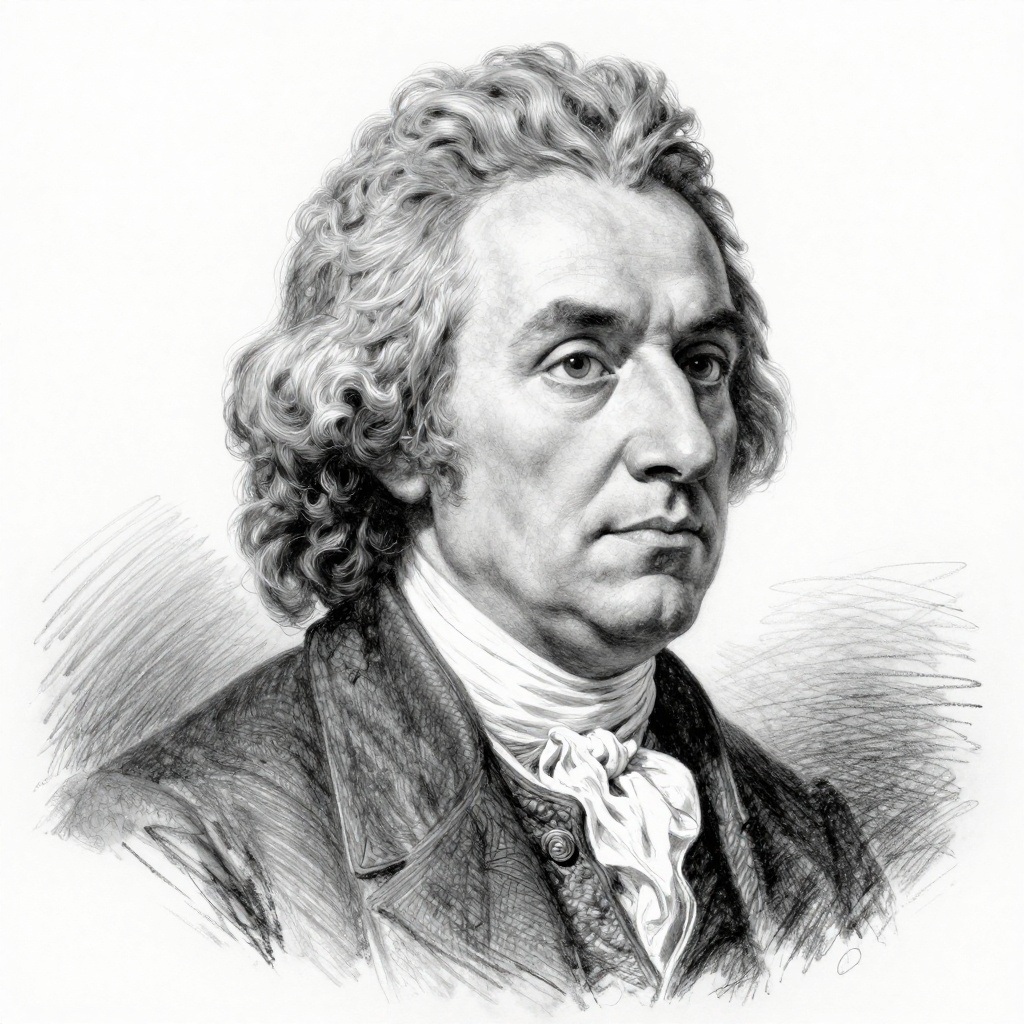
Voltaire was an influential French philosopher, writer, and historian of the Enlightenment period. He is known for his wit, intelligence, and advocacy for freedom of speech, freedom of religion, and separation of church and state. Voltaire's works, including "Candide" and numerous essays, have had a lasting impact on literature and philosophy.
Comments