Quote · Added 14 February 2026
It is dangerous to be right in matters on which the established authorities are wrong.
VoltairePhilosophical Dictionary, 1764
Quote · Added 14 February 2026
Most of us think of being right as a straightforward thing—you have facts, evidence, logic on your side, and that should matter. But Voltaire's warning cuts deeper. There's a real cost to correcting powerful people or institutions, one that goes beyond just losing an argument. Speaking up when authorities are wrong can damage your reputation, your livelihood, or your safety, especially if those authorities have something to protect or can't afford to be seen as fallible.
What makes this tricky is that we rarely know in advance which situations will trigger a harsh response. You might challenge a boss's flawed decision and get thanked for independent thinking, or you might find yourself sidelined. Question a widespread belief in your community and become a bridge-builder, or become an outsider. The calculation most people make—consciously or not—is whether being right is worth the friction it creates.
The non-obvious part is that Voltaire isn't saying don't speak up. He's saying that if you do, go in with eyes open. Being right doesn't automatically protect you or make things easier. Real integrity sometimes means accepting that cost rather than pretending it doesn't exist. It's the difference between naive honesty and the harder kind—the kind that knows the stakes.
1694–1778·lived 83 years
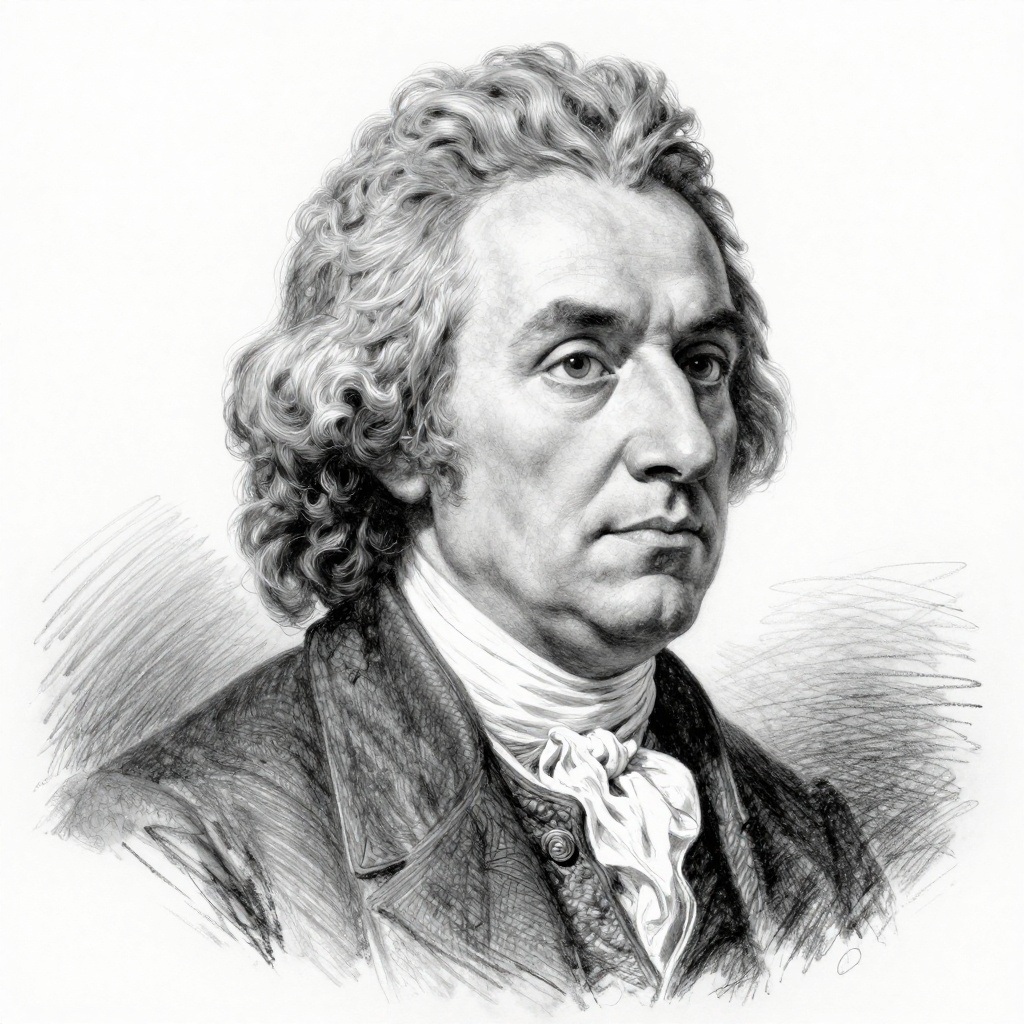
Voltaire was an influential French philosopher, writer, and historian of the Enlightenment period. He is known for his wit, intelligence, and advocacy for freedom of speech, freedom of religion, and separation of church and state. Voltaire's works, including "Candide" and numerous essays, have had a lasting impact on literature and philosophy.
Comments