Quote · Added 14 February 2026
Explore
Reading
AI generatedSurrender as the deepest honesty
There's an intensity in this line that feels almost embarrassing to read now—yet it captures something true about desire that we're often too guarded to admit. Voltaire wrote this to his longtime companion, and what strikes you isn't flowery theater but naked vulnerability. The image of lying at someone's feet isn't about subservience; it's about total surrender, about wanting to be that close to another person that the boundary between living and dying doesn't even matter anymore.
We've learned to be suspicious of this kind of language. We talk about "codependency" and "losing ourselves," and there's wisdom in that caution. But Voltaire's line points to something we still crave beneath our careful distance: the experience of mattering so completely to someone that being in their presence feels like the whole point. Not obsession exactly, but that rare moment when you stop performing and just exist with another person, and it's enough.
The slight twist is that this isn't naive romanticism from someone who didn't know better. Voltaire was a razor-sharp observer of human nature who spent his life critiquing foolishness. Yet even he understood that alongside our need for independence runs an equally human hunger for that kind of presence—to be known and held so thoroughly that nothing else registers. It's not the whole story of love, but it's an honest piece of it.
The author
All 85 quotes by Voltaire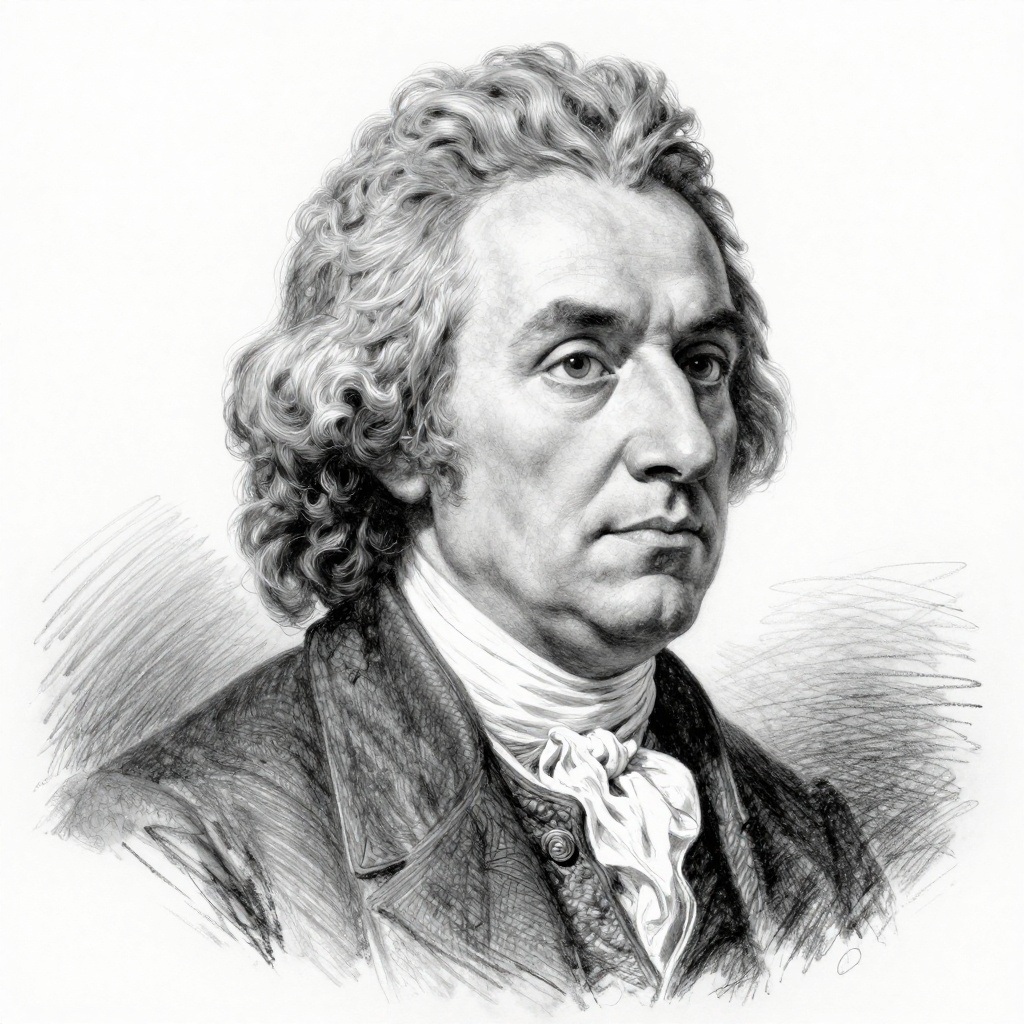
Voltaire
1694–1778·lived 83 years
Voltaire was an influential French philosopher, writer, and historian of the Enlightenment period. He is known for his wit, intelligence, and advocacy for freedom of speech, freedom of religion, and separation of church and state. Voltaire's works, including "Candide" and numerous essays, have had a lasting impact on literature and philosophy.
Comments