Quote · Added 14 February 2026
I die adoring God, loving my friends, not hating my enemies, and detesting superstition.
VoltaireDéclaration de Voltaire, note to his secretary, Jean-Louis Wagnière (28 February 1778)
Quote · Added 14 February 2026
There's something quietly radical about choosing your final words this way. Voltaire wasn't staging some grand philosophical death scene—he was naming what actually mattered to him after a lifetime of thinking. Notice what he included: devotion, friendship, restraint toward enemies. And what he rejected: superstition. It's a remarkably balanced last statement, not the angry polemic you might expect from someone famous for his sharp tongue.
What makes this relevant now is how much our lives get pulled in the opposite direction. We're encouraged to hate our enemies loudly, to perform our beliefs absolutely, to fill uncertainty with whatever ideology feels most certain. Voltaire's deathbed priorities suggest a different way of being: one where you can hold strong convictions about truth without needing to crush people who disagree. You can be devoted without being dogmatic.
The tricky part is that nobody's naturally good at this balance. It's easier to love your friends or hate your enemies than to hold both restraint and passion in the same hand. But maybe that's exactly why he named it at the end—as a reminder that a life well-lived isn't about being perfectly angry or perfectly at peace, but about getting the weights right.
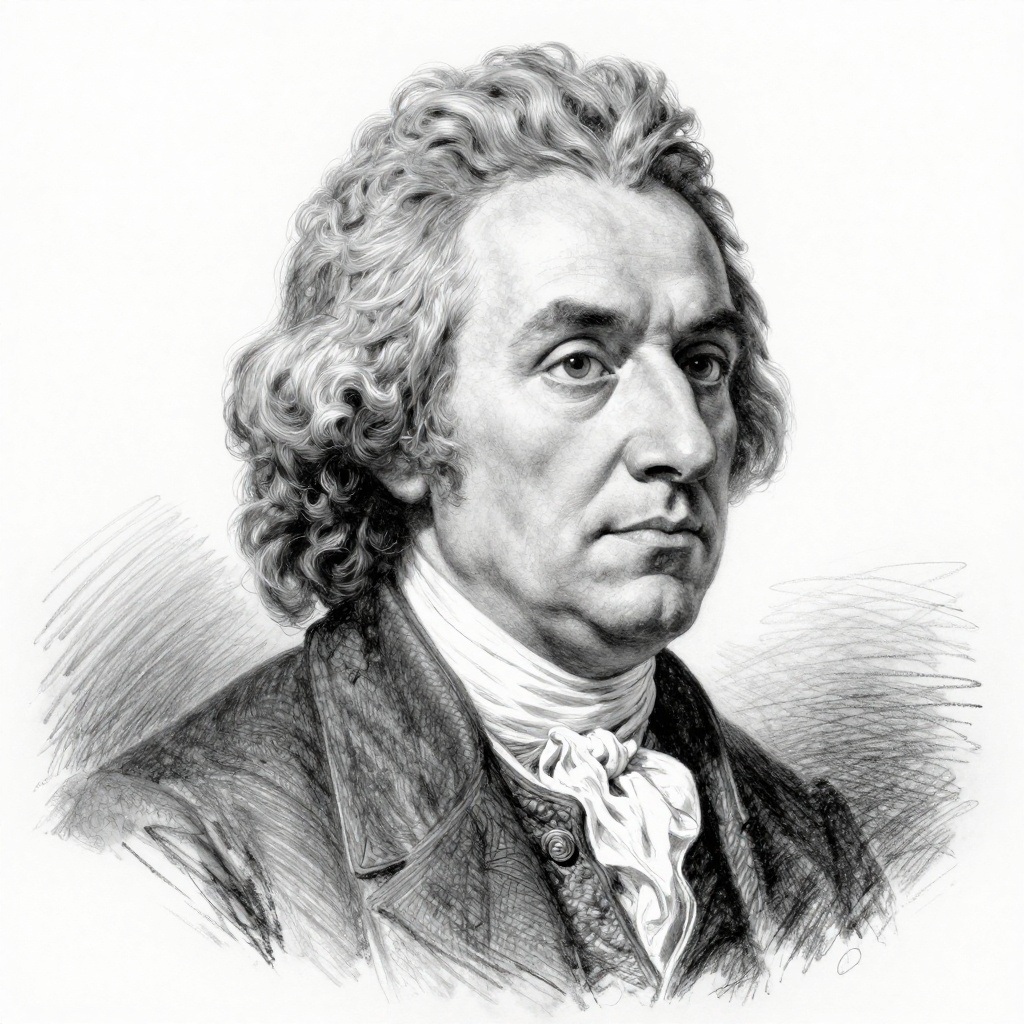
1694–1778·lived 83 years
Voltaire was an influential French philosopher, writer, and historian of the Enlightenment period. He is known for his wit, intelligence, and advocacy for freedom of speech, freedom of religion, and separation of church and state. Voltaire's works, including "Candide" and numerous essays, have had a lasting impact on literature and philosophy.
Comments