Quote · Added 14 February 2026
Faith consists in believing when it is beyond the power of reason to believe.
VoltairePhilosophical Dictionary, 1764
Quote · Added 14 February 2026
We live in an age where we're taught to distrust anything we can't prove or measure. Yet every single day, we act on faith in ways we don't even notice. You trust that the bridge won't collapse, that your doctor knows what they're talking about, that the person you love won't betray you tomorrow. None of these certainties are guaranteed by reason alone—they're educated guesses wrapped in hope.
Voltaire's point isn't actually about blind stupidity or ignoring evidence. It's about the gap that always exists between what we can know and what we must decide. That gap is where real life happens. You can research a job opportunity endlessly, but at some point you have to say yes without knowing if it'll work out. You can analyze a relationship to death, but commitment requires you to believe in something your spreadsheet can't calculate.
The trick is knowing where that gap is. Faith isn't the absence of thinking—it's what you do after you've thought as hard as you can and reality still demands a choice. The most reasonable people aren't those who never believe without proof. They're the ones honest enough to admit when proof runs out, and brave enough to move forward anyway.
1694–1778·lived 83 years
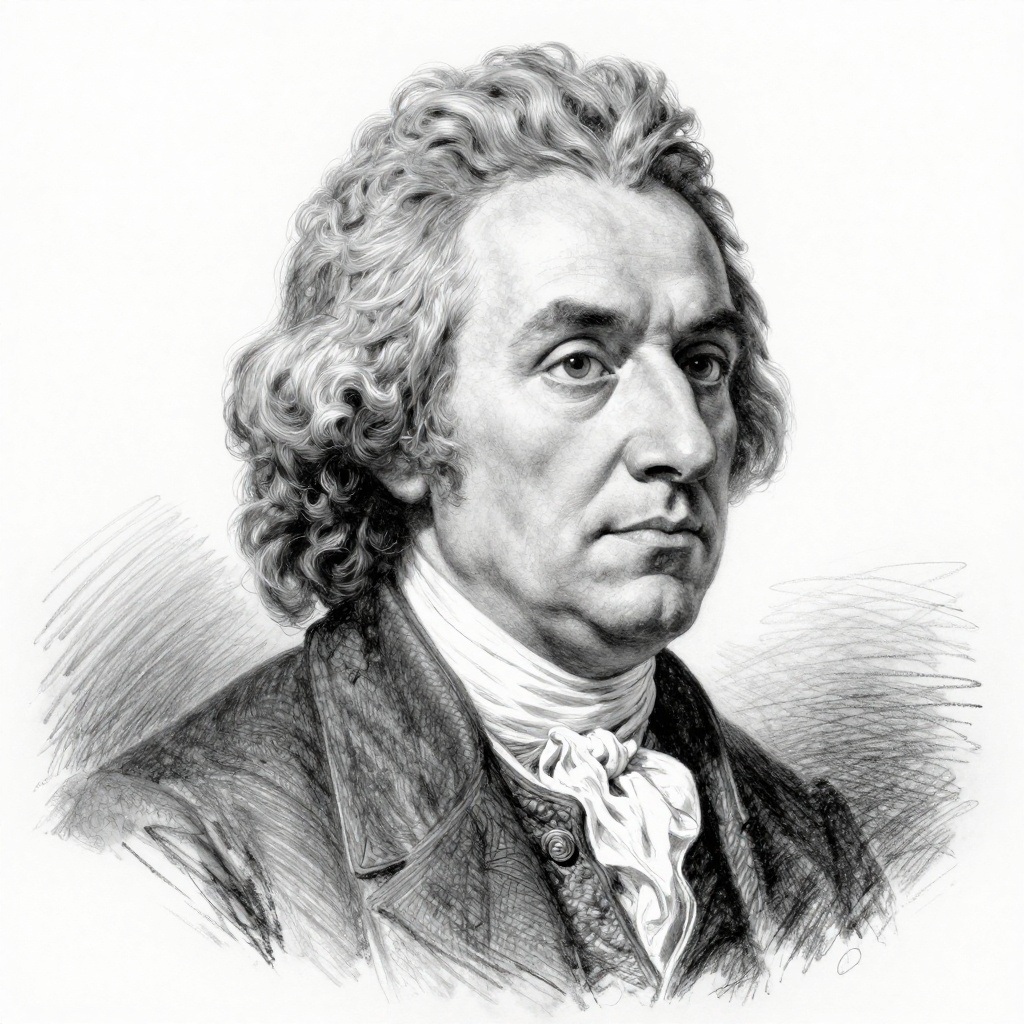
Voltaire was an influential French philosopher, writer, and historian of the Enlightenment period. He is known for his wit, intelligence, and advocacy for freedom of speech, freedom of religion, and separation of church and state. Voltaire's works, including "Candide" and numerous essays, have had a lasting impact on literature and philosophy.
Comments